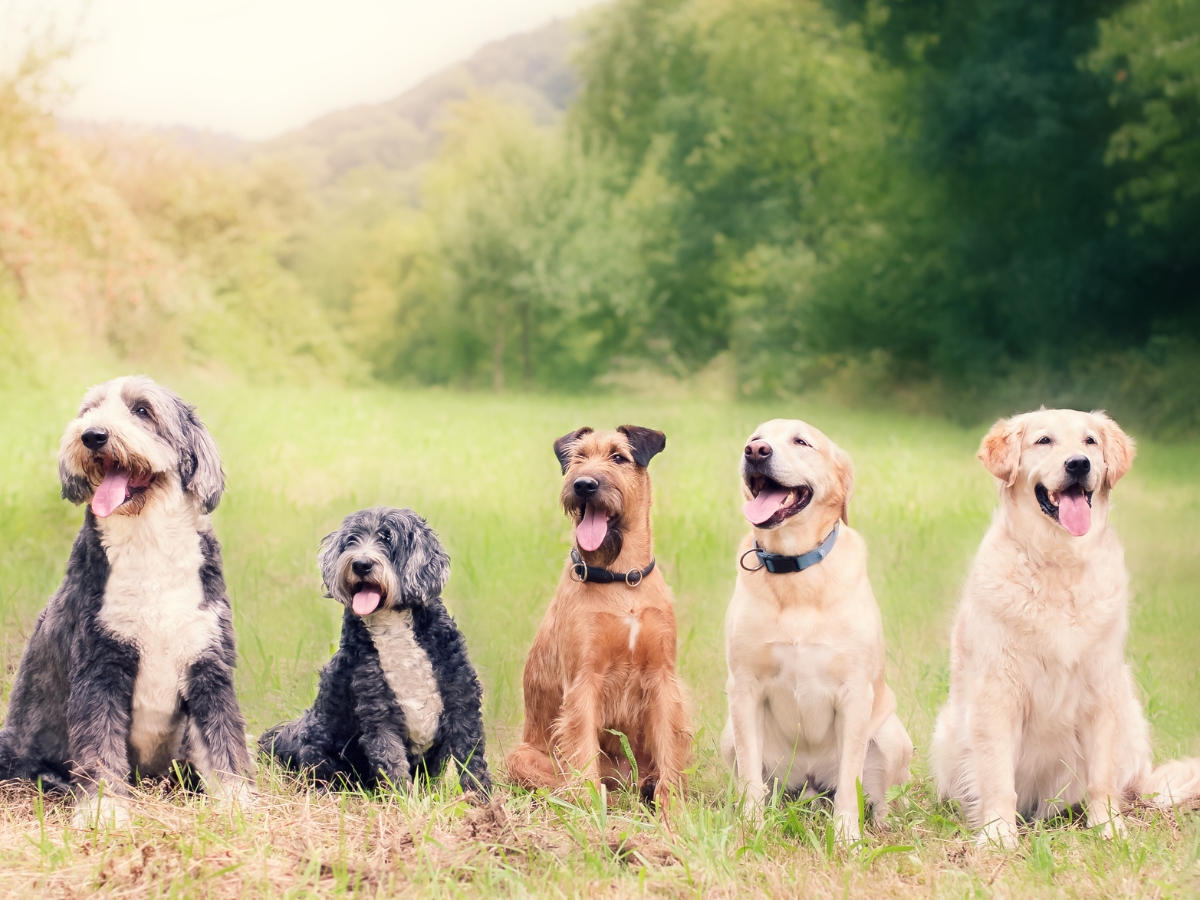
If you’ve ever wondered why your dog barks at the door, pulls on the leash, or suddenly hides during storms, you’re not alone. Learning to understand dog behavior is one of the most valuable skills a dog owner can develop—because dogs communicate constantly, just not in words.
This beginner’s guide will help you understand dog behavior by breaking down canine body language, common emotional triggers, and the real reasons behind everyday habits. You’ll also learn what to do in the moment, how to prevent behavior problems before they grow, and when it’s time to get professional support.
What It Really Means To Understand Dog Behavior
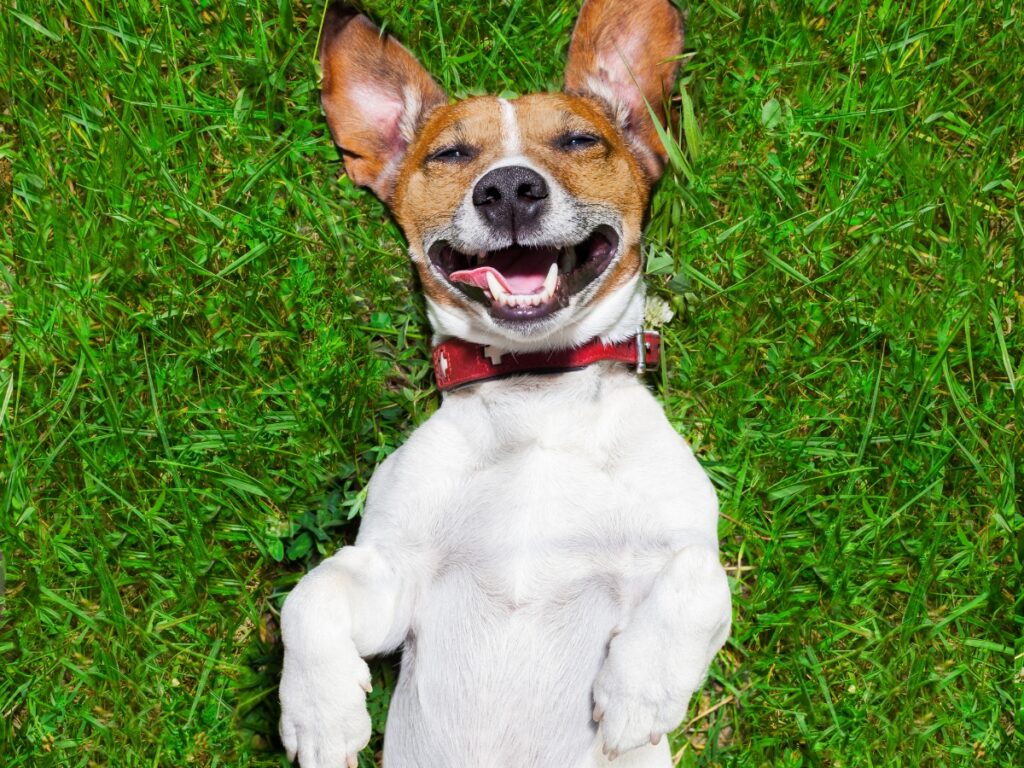
To understand dog behavior, you are not trying to “read minds.” You are learning to notice patterns and interpret what your dog is communicating through their body, their emotions, and the situation they are in. Behavior is rarely random.
Most dogs are responding to something they want, something they fear, or something they have learned works for them. When you start seeing behavior as communication, it becomes easier to respond calmly and make better training decisions.
Body language is usually the first clue. Tail position, ear movement, posture, facial tension, and the way a dog moves through a space all provide information. A loose, wiggly body often signals comfort, while a stiff body or a frozen pause can signal stress or uncertainty.
Some dogs show stress with subtle signals, like lip licking, yawning when they are not tired, or turning their head away. These details matter because they often appear before a dog barks, growls, pulls, or shuts down.
Emotional state is the next layer. Dogs do not just feel “good” or “bad.” They can be excited, frustrated, fearful, overstimulated, or unsure. Two dogs might bark for completely different reasons.
One might be trying to create distance because they are anxious. Another might be demanding attention because barking has worked before. When you understand dog behavior, you start looking for the emotion underneath the action, not just the action itself.
Motivation is also key. Every behavior has a purpose from the dog’s perspective. Your dog might jump because it gets them attention faster. They might pull toward other dogs because they want to greet, or because they are overwhelmed and trying to escape the pressure of a tight leash.
They might ignore a cue because the environment is more rewarding than the treat you are offering. Motivation does not mean your dog is being “dominant” or “disrespectful.” It means they are choosing the option that makes the most sense to them in that moment.
Finally, context ties everything together. The same dog can behave differently depending on time of day, location, noise level, who is present, and how much sleep or exercise they have had.
A dog who listens well in the living room might struggle on a busy street because the environment changes the difficulty of the task. Understanding context helps you set realistic expectations and avoid blaming the dog for being overwhelmed.
When you can identify the “why,” you can address the “what” more effectively. That is the real goal when you understand dog behavior. Instead of reacting after a problem happens, you learn to notice what leads up to it and shape a better outcome.
How Dogs Communicate: The Key Signals To Watch
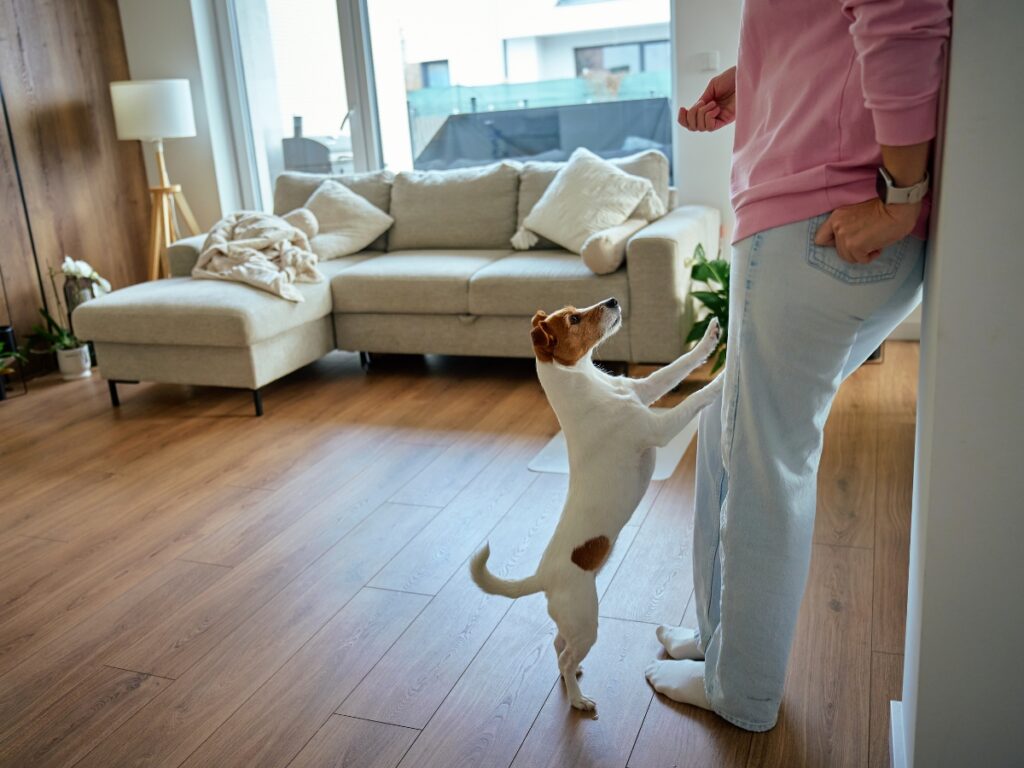
Dogs communicate with their whole bodies, not just their bark or tail wag. If you want to understand dog behavior, it helps to look at the full picture instead of focusing on one signal in isolation.
A wagging tail can happen when a dog is happy, but it can also show high arousal, uncertainty, or tension. When you combine tail movement with ear position, facial expression, and posture, you get a much clearer read on what your dog is feeling and what they might do next.
Tail Position And Tail Wagging
Tail movement is often more about intensity than “good mood.” A loose wag paired with a relaxed, wiggly body usually means the dog is social and comfortable. A stiff wag with an upright posture can mean the dog is highly aroused, which might be excitement, but it can also be tension if the dog looks rigid or freezes.
A tucked tail is a common sign of fear or uncertainty, especially if the dog is leaning away, moving slowly, or avoiding eye contact. To understand dog behavior, treat the tail like a clue, not the full answer, and always check what the rest of the body is doing.
Ear Placement
Ears can change quickly, and they often track how a dog feels about what is happening. Neutral ears typically show a calm, comfortable dog. Forward ears often indicate alertness or curiosity, especially if the dog is also leaning slightly toward something.
Ears pinned back can signal fear, stress, or appeasement, particularly if the dog’s body looks smaller, their head lowers, or they try to move away. Some dogs naturally carry their ears differently depending on breed, so the best reference point is your dog’s normal resting position.
Eyes And Facial Expression
Eyes are one of the fastest ways to understand dog behavior in real time. Soft eyes with gentle blinking usually signal relaxation. A hard stare can indicate tension, especially if the dog’s body is stiff and still.
“Whale eye,” where you can see the whites of the eyes, often shows discomfort or stress, commonly when a dog feels cornered, worried, or unsure about a person or another dog. You may also notice a furrowed brow or a tight face, which can be another sign the dog is not fully comfortable.
Mouth And Panting
A relaxed dog often has a loose mouth that looks slightly open and soft, sometimes described as a “smiling” expression. A closed, tight mouth can signal stress or uncertainty, especially if the dog suddenly stops panting or goes still.
Lip licking and yawning when the dog is not tired are common calming signals. They often show up when a dog is trying to cope with pressure, confusion, or an unfamiliar situation. Panting can mean a dog is hot, but it can also happen during stress, so context matters.
Body Posture And Weight Shift
Posture is often the clearest indicator because it shows what the dog is preparing to do. A loose, wiggly body usually means the dog feels safe. A stiff body with a forward lean suggests high tension or intense focus.
Crouching, leaning away, or shrinking back often signals fear or discomfort. Watch weight shifts closely. A dog who suddenly freezes, leans forward, or shifts their weight onto their front feet may be deciding whether to react.
Learning to spot these changes will help you understand dog behavior sooner, which makes it easier to redirect your dog before the situation escalates.
Calm Vs. Stressed: Quick Signs To Recognize

If you want to understand dog behavior, one of the most useful skills is learning the difference between a calm dog and an overwhelmed dog.
A lot of “bad behavior” is really a dog struggling to cope with a situation that feels too intense, too confusing, or too close for comfort. When you can recognize early stress signals, you can step in sooner, lower the pressure, and prevent the problem from escalating.
Signs Your Dog Feels Safe And Relaxed
A relaxed dog looks easy in their body. Breathing is steady and natural, without frantic panting. Muscles look loose rather than tight, and the dog moves in a smooth, unhurried way.
The tail is typically neutral or gently wagging, but the important part is that the whole body stays soft. You might see your dog sniffing with curiosity, exploring the space, and checking in with you easily.
Comfort also shows up in how your dog handles closeness. A dog who feels safe can usually tolerate touch, being near people, and normal household movement without startling or shifting away.
You might notice them choosing to rest nearby, leaning into attention, or calmly watching the room. Even if they are alert, they are still able to settle and respond to cues. Those are the moments where training tends to stick, because your dog’s brain is in a learning state.
Signs Your Dog Feels Stressed Or Overwhelmed
Stress can look obvious, like growling or snapping, but it often starts much earlier with smaller signs. Panting in cool temperatures is a common one, especially if it comes on suddenly and the dog is not exercising.
Some dogs also shed more when they are nervous, or they do a quick full-body shake as if they are drying off, even when they are not wet. That shake-off can be a release of tension, and it often shows up after an uncomfortable interaction.
Movement changes are another clue. Pacing, hiding, freezing in place, or trying to escape a room can signal that your dog is not coping well. You might also see frantic barking, repeated lunging, or a dog who cannot settle even after the “exciting” thing is gone.
Refusing food in a stressful environment is also common. Many dogs who happily eat treats at home will stop taking them when they are overwhelmed, which tells you the environment is currently too difficult.
To understand dog behavior, it helps to remember that stress is not always fear. Overstimulation, frustration, and uncertainty can look similar, and they can all lead to big reactions if the dog feels trapped or pushed past their comfort zone.
The most effective approach is to notice stress early and adjust the situation. Create more distance, reduce the intensity of the trigger, or give your dog a calmer break. When you respond to the early signs, you are not “coddling.” You are teaching your dog that the world is manageable, and that is how you build confidence and better behavior over time.
The Real Reasons Behind Common Dog Behaviors

A lot of owners label certain habits as “bad,” but most behaviors are either communication or a coping strategy. When you understand dog behavior, you stop asking, “How do I make this stop?” and start asking, “What is my dog trying to accomplish or avoid?”
That shift matters because the right response depends on the reason behind the behavior, not just what it looks like on the surface.
Barking: What Your Dog Might Be Communicating
Barking can mean very different things depending on the context. Some dogs bark to alert you that something changed, like a delivery, a person near the house, or a strange noise.
Others bark to demand something because it has worked before, such as attention, food, or play. Barking can also be fear-based, where the dog is trying to create distance, or separation-related, where the dog is panicking when left alone.
The response should match the cause. If you want to understand dog behavior, start by observing when the barking happens, what comes right before it, and what the dog gets afterward.
A dog who barks at the window is often responding to movement outside. A dog who barks at you during dinner may be practicing demand behavior. If the barking shows up with pacing, drooling, or frantic behavior when alone, that is a different issue and needs a different plan.
Jumping On People
Jumping is usually driven by excitement, attention-seeking, or both. Many dogs learn early that jumping makes people talk to them, touch them, or engage with them, even if the person is saying “no.” From the dog’s perspective, it still counts as attention.
A practical approach is to teach a clear alternative that gets rewarded. Reinforce calm greetings with four paws on the floor, and build a simple pattern like “sit to greet.”
Consistency matters here, because if jumping works sometimes, it becomes harder to change. If guests can help by waiting for calm behavior before giving attention, progress tends to move faster.
Chewing And Destruction
Chewing is a normal dog behavior, but it can become destructive when a dog does not have enough appropriate outlets.
Puppies may chew due to teething, while adult dogs may chew from boredom, lack of enrichment, or anxiety. Some dogs also chew when they are under-exercised or when they have too much unstructured time without guidance.
To address it, focus on prevention and replacement. Offer appropriate chews that fit your dog’s size and chewing style, rotate toys so they stay interesting, and add mental stimulation with simple food-based activities.
If the chewing shows up mostly when the dog is alone, it may be connected to stress, which is another reason it helps to understand dog behavior before assuming it is “spite.”
Pulling On The Leash
Leash pulling often happens because it works. If a dog pulls and still reaches the smell, the squirrel, or the next interesting spot, the pulling is reinforced. It is also common when a dog is overstimulated by the environment and does not yet have the skill to regulate their pace.
Start in easier locations where your dog can succeed, reward check-ins, and reinforce loose leash walking in short sessions. If your usual route is busy or full of triggers, choose calmer walks at first so your dog can practice without being pushed over threshold.
Growling
Growling is not “bad.” It is information. It is a warning signal that a dog is uncomfortable and needs space. Punishing a growl can suppress the warning without addressing the underlying emotion, which can increase bite risk because the dog learns to skip the signal.
A safer response is to create distance, reduce the pressure, and figure out what triggered the reaction. When you understand dog behavior, you treat growling as a cue to adjust the situation and help your dog feel safe, rather than a behavior to “win” against.
Fear, Frustration, Or Excitement: The Biggest Behavior Drivers
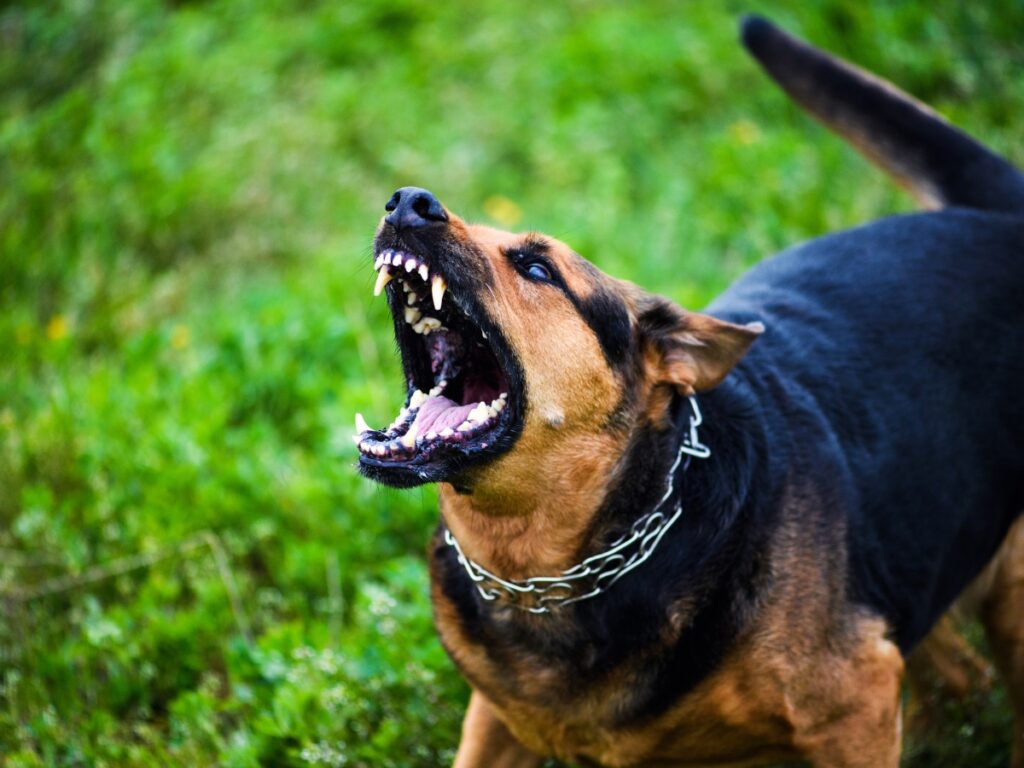
If you want to understand dog behavior in a consistent way, start by identifying the emotion behind it. A bark can be fear, frustration, or excitement.
Lunging on a leash can be a dog trying to create space, or a dog trying to reach something faster. When you misread the emotion, it is easy to choose the wrong response and accidentally make the behavior stronger. The good news is that once you know what is powering the reaction, the training plan becomes much clearer.
Fear-Based Behavior
Fear-based behavior is usually about safety. The dog feels unsure, threatened, or overwhelmed, and their goal is to increase distance or regain control of the situation.
This can look like barking or lunging at strangers or other dogs, especially if the dog is cornered or cannot move away. Some dogs show fear by hiding, trembling, or avoiding certain people, rooms, or objects. Others freeze when approached, and if the pressure continues, that freeze can turn into snapping.
The best approach is to reduce pressure and build confidence over time. Fear does not improve through force or repeated flooding. Instead, aim for slow exposure at a level the dog can handle, paired with positive associations, like treats, play, or calm praise.
Give the dog choices, add distance, and work in quieter environments first. As you understand dog behavior more accurately, you will notice that a fearful dog often needs space and predictability before they can learn new skills.
Frustration-Based Behavior
Frustration-based behavior is different. The dog is not always scared. They often want something and cannot access it, which creates arousal and big reactions.
This is common with leash reactivity, where the dog is pulling and barking because they want to greet another dog, chase movement, or get to something interesting. You might also see barking when restrained, whining, spinning, and jumping, especially when the dog is excited but blocked by a leash, a gate, or a closed door.
The strategy here focuses on impulse control and teaching the dog that calm behavior makes good things happen. Structured rewards matter.
Reinforce check-ins, loose leash moments, and short pauses before moving forward. If your dog loses control near triggers, increase distance so they can succeed, then gradually close the gap as their skills improve. Frustration is often about poor coping skills, not “stubbornness,” and understanding that helps you stay patient while building better habits.
Over-Excitement
Over-excitement can look playful, but it can still lead to problems when a dog cannot settle. You might see mouthiness during play, repeated zoomies, constant attention-seeking, or a dog who seems “on” all the time. In some homes, excitement is unintentionally rewarded because the dog learns that bouncing, barking, or pawing gets engagement.
The goal is not to remove fun, but to teach regulation. Calm routines, mat training, and rewarding relaxation can make a huge difference.
Build short breaks into play, reinforce calm greetings, and practice settling in low-distraction settings first. When you understand dog behavior through the lens of excitement instead of defiance, it becomes easier to teach your dog how to switch gears and relax when the moment calls for it.
What To Do In The Moment: A Simple Response Plan
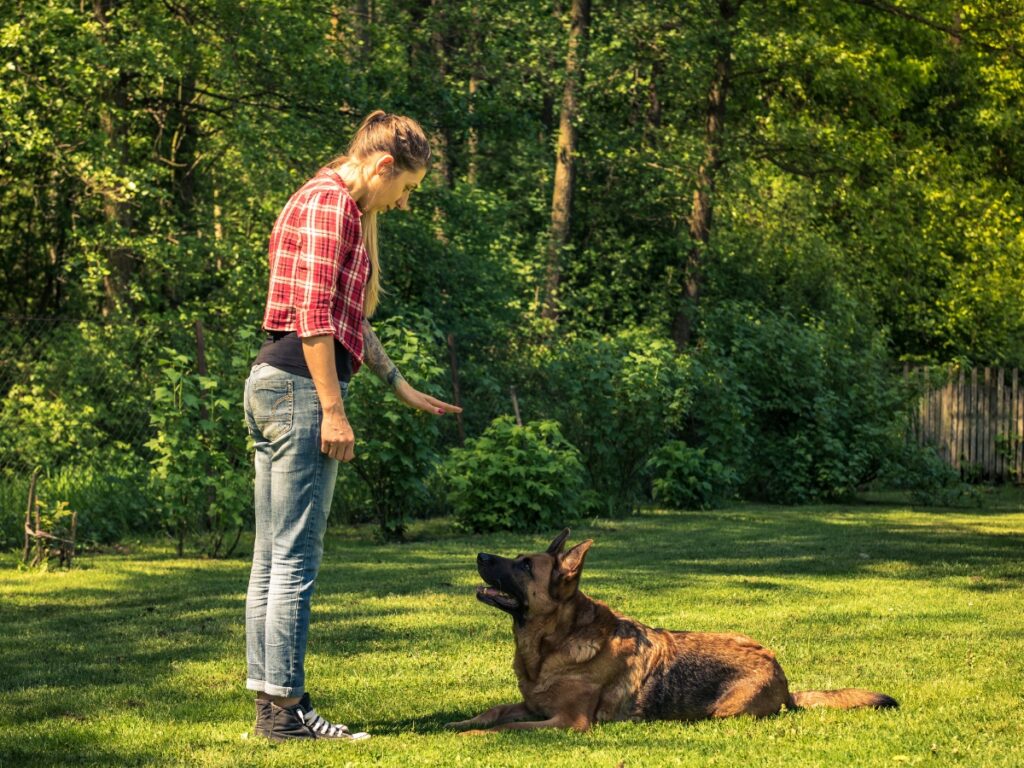
When your dog is reacting, what you do in the next few seconds matters. Your response can either help your dog settle or push them further into stress and arousal.
If you are trying to understand dog behavior, it helps to treat these moments like data, not drama. The goal is not to “win” the situation. The goal is to lower intensity, keep everyone safe, and teach a better pattern over time.
Use The “Observe, Create Space, Reinforce Calm” Method
Start by observing what triggered the behavior. Look for what changed right before your dog reacted. It might be another dog appearing around a corner, a stranger reaching out to pet them, a loud noise, or even a buildup of small stressors over the course of the walk. When you understand dog behavior, you learn to track triggers and patterns instead of assuming the dog is reacting “out of nowhere.”
Next, create space. Distance is one of the fastest ways to reduce stress. If your dog is barking or lunging, move away in a calm, purposeful way.
Cross the street, turn down a quieter path, step behind a car for a visual barrier, or increase the space between your dog and the trigger. You are not rewarding the reaction by leaving. You are helping your dog get back under threshold so they can think and respond.
Then reinforce calm. The moment your dog takes a breath, looks away, softens their body, or checks in with you, reward that choice. Timing matters here, because you are reinforcing the calm decision, not the meltdown.
You can use food, a favorite toy, or simple praise, depending on what your dog values and what the situation allows. Over time, this teaches your dog that calm behavior is the path to good outcomes.
The power of this method is that it is simple enough to use in real life. You do not need to solve the entire behavior issue in one moment. You just need to guide your dog back toward calm and make the calm choices worth repeating.
Avoid These Common Mistakes
One of the biggest mistakes is yelling or using harsh corrections in the middle of a reaction. It might stop the noise temporarily, but it often increases fear or frustration, which can make the behavior worse the next time. Another common issue is forcing interactions, like insisting your dog has to “get used to it” by being pushed closer to the trigger. For many dogs, that approach teaches them the trigger is unavoidable and can increase reactivity.
Punishing warning signs like growling is also risky. Growling is information. If you punish it, you may remove the warning while leaving the discomfort in place, which can raise bite risk because the dog learns not to signal before escalating. It is safer to increase distance, reduce pressure, and work on the underlying cause.
Inconsistency is the quieter problem that slows progress. If your dog is allowed to jump on guests sometimes, or pull on the leash when you are in a hurry, the dog learns that the rules change and the unwanted behavior is still worth trying.
If your goal is to understand dog behavior, think like a coach, not a disciplinarian. Coaches focus on patterns, practice, and setting the dog up to succeed. When you respond calmly and consistently, your dog learns that you are predictable, and that predictability is what helps behavior improve.
Training To Improve Communication And Reduce Unwanted Behaviors
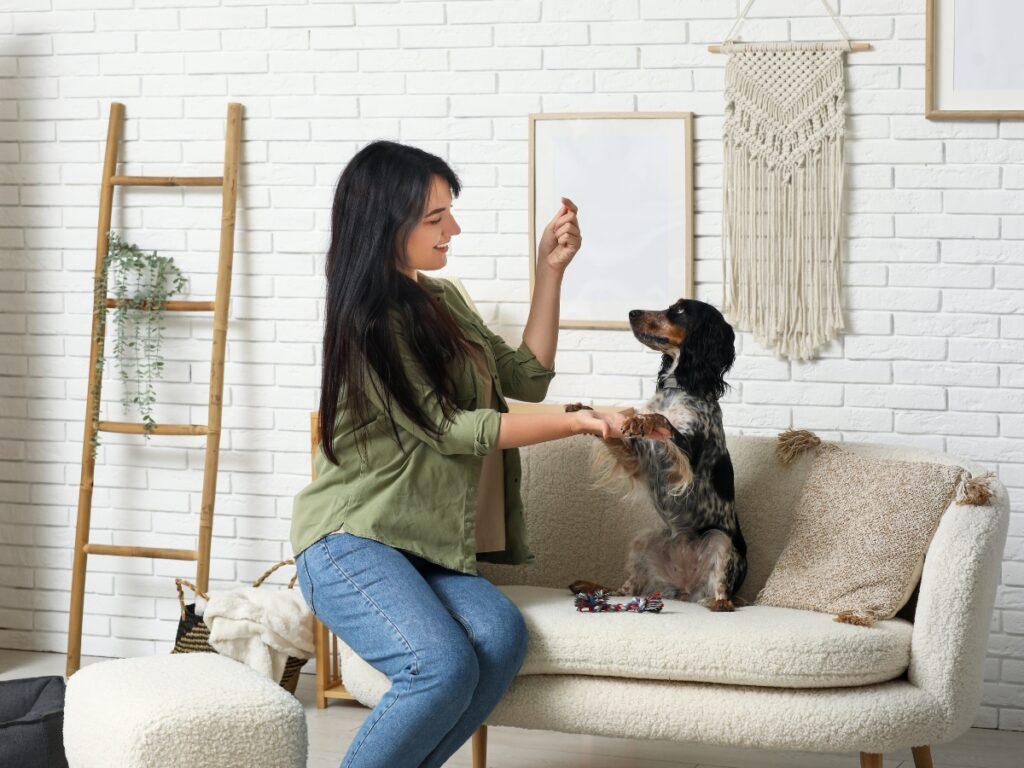
Behavior change is rarely about “stopping” something. It is about teaching your dog what to do instead, then making that new choice easier and more rewarding than the old habit. When you understand dog behavior, you start to see that many unwanted behaviors have a purpose.
Barking can create distance or get attention. Jumping can start an interaction. Pulling can get your dog to the next interesting smell faster. Training works best when it replaces that purpose with a better option your dog can actually succeed with in real life.
Teach Replacement Behaviors
A good replacement behavior is simple, clear, and easy to reward. Instead of trying to teach “don’t bark,” teach a behavior that gives your dog direction when they feel triggered. “Place” can be a great option for doorbells, guests, or household commotion because it gives your dog a job and a predictable spot to settle.
“Look” can help with focus and check-ins, especially during walks, because you are rewarding your dog for reconnecting with you instead of locking onto the environment. “Touch,” where your dog taps your hand with their nose, is useful because it is easy to cue and it helps redirect attention without a struggle.
“Leave it” can be another practical tool, but it works best when it is taught gradually, starting with low-value distractions and building up over time. The goal is not to control your dog through constant commands.
The goal is to create a shared language so your dog knows what earns rewards and what helps them feel successful. That is one of the fastest ways to understand dog behavior and improve it at the same time.
Build Predictability Through Routines
Dogs tend to do better when the day has a basic rhythm. Predictability lowers stress, and lower stress often means fewer unwanted behaviors.
Consistent mealtimes help regulate energy and reduce food-related anxiety. Regular potty breaks prevent accidents and cut down on restlessness. A predictable walking schedule helps many dogs settle because they are not constantly waiting for the next opportunity to get outside.
Downtime matters, too. Some dogs act “busy” or demanding because they have not learned how to relax. Building calm time into the day, even in small windows, teaches your dog that rest is normal and safe.
If your dog struggles to settle, start with short periods and reward calm body language, like lying down, soft eyes, and relaxed breathing. Over time, routines make the environment easier to predict, which supports better behavior without needing constant correction.
Add Mental Enrichment
Mental exercise is often more effective than simply adding more physical activity, especially for dogs who get overstimulated easily.
Sniff walks are a simple option because sniffing helps many dogs decompress and process the environment at a calmer pace. Puzzle feeders and food-dispensing toys can turn mealtime into a focused activity, which reduces boredom and helps prevent destructive habits.
Obedience games and short training sessions throughout the day also add structure and engagement without making your dog feel pressured. A few minutes of practice can be enough to reinforce skills and build confidence.
When you combine enrichment with routines and replacement behaviors, you are not just managing problems. You are giving your dog clearer communication and better coping skills, which is the real foundation for long-term improvement and a stronger bond as you continue to understand dog behavior.
When You Should Get Professional Help
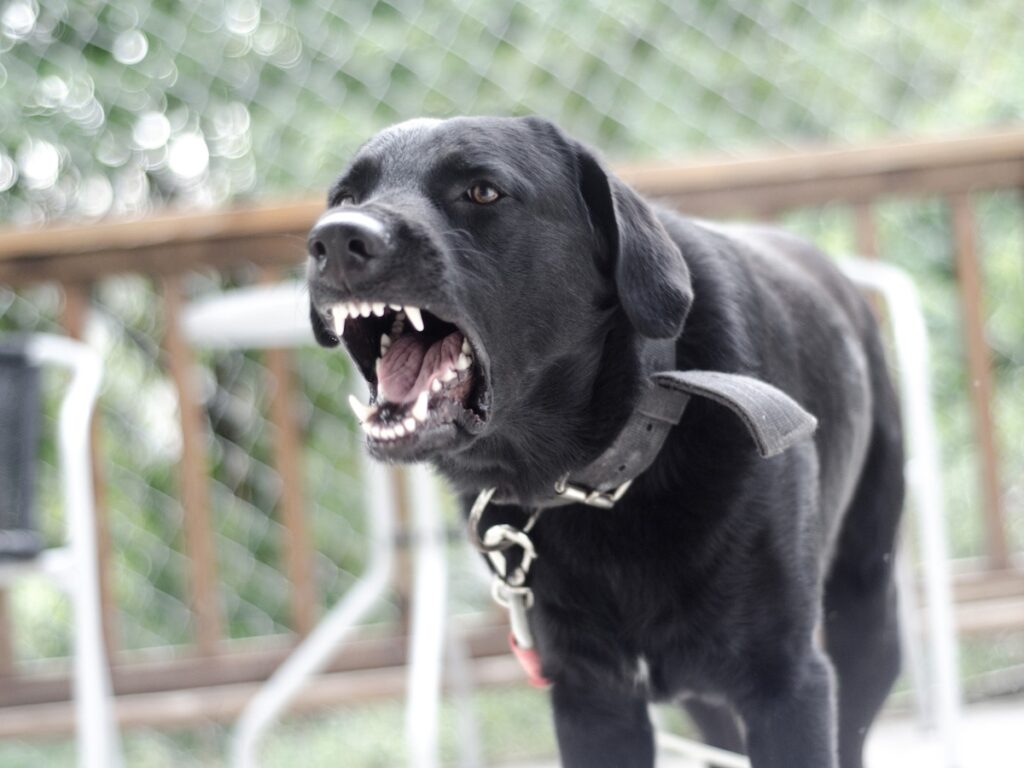
A lot of behavior challenges can improve with consistent training, better routines, and stronger communication. But there are situations where it is smarter and safer to bring in professional support sooner rather than later. If your goal is to understand dog behavior, getting the right help can speed up progress and reduce the risk of mistakes that unintentionally make things worse.
One clear sign you should seek support is biting or snapping, especially if the behavior is escalating. Even if the bite “didn’t break skin,” it still matters, because it signals that your dog felt pushed past their coping ability.
Aggression can have different causes, including fear, pain, stress, territorial behavior, or resource guarding, and those details change the training plan. A qualified professional can help you identify what is driving the behavior, set up safety management, and teach practical steps that protect everyone in the home.
Severe anxiety or panic behaviors are another reason to get help. This can include destructive attempts to escape, nonstop vocalizing, trembling, drooling, or shutting down when left alone or exposed to common triggers. These behaviors are not just “bad habits.”
They often reflect intense distress. A professional can help you build a plan that focuses on gradual exposure and confidence-building, and they can also tell you when it makes sense to involve a veterinarian to rule out medical issues or discuss additional support.
Intense resource guarding is also worth addressing with expert guidance. If your dog stiffens, growls, snaps, or lunges around food, toys, bones, stolen items, or even certain people, it is important to take it seriously.
Guarding can be predictable and manageable, but the wrong response, like trying to take items by force, can increase risk quickly. A trainer can teach safer handling strategies and create a structured plan that reduces guarding by changing your dog’s emotional response.
Reactivity that worsens over time is another red flag. Many dogs have occasional rough days, but if your dog’s barking, lunging, or inability to settle is increasing in frequency or intensity, it usually means the triggers are too hard, the environment is too stressful, or the training plan is not working.
A professional can help you adjust the difficulty level, rebuild foundations, and create a step-by-step path toward calmer behavior.
Finally, sudden behavior changes should always be taken seriously. If a normally friendly dog becomes irritable, avoids touch, growls when approached, has accidents in the house, or seems unusually restless, pain or illness may be involved.
In those cases, a veterinary check is often the right starting point. Once medical causes are ruled out or addressed, training becomes much more effective.
Working with an experienced professional does not replace your role. It supports it. The best trainers teach you what to look for, how to respond in the moment, and how to build daily habits that make sense for your household.
That guidance can help you understand dog behavior faster, while keeping your dog’s progress and your family’s safety at the center of the plan.
FAQs About How to Understand Dog Behavior
What Is The Fastest Way To Understand Dog Behavior?
The fastest way to understand dog behavior is to watch patterns, not isolated moments. Start with body language and look at the whole picture: tail position, ear placement, eyes, posture, and movement together.
A single signal can be misleading, but several signals at once usually tell a clear story. Pay attention to what happens right before the behavior, too. Triggers like a doorbell, a new person, another dog, or even a change in routine often explain more than the behavior itself.
If you keep noticing the same situations leading to the same reactions, you are already building a working understanding of your dog’s communication.
Why Does My Dog Wag Their Tail But Still Growl?
A wagging tail does not always mean friendliness. Tail movement often signals arousal, which can be excitement, frustration, or tension. If your dog’s body looks stiff, the wag is tight or high, and you see a hard stare or a closed mouth, that tail wag can be part of a warning, not an invitation.
Growling is your dog communicating discomfort or a need for space. When you understand dog behavior this way, the goal is not to “stop the growl,” but to respond before things escalate by lowering pressure and increasing distance.
How Do I Know If My Dog Is Anxious Or Just Excited?
Excitement usually looks loose and bouncy, and many dogs can recover quickly once they get a chance to move, sniff, or engage. Anxiety tends to show up as tension that does not resolve easily.
You might see pacing, avoidance, panting when the environment is calm, shaking off repeatedly, pinned ears, whale eye, or an inability to settle even after the trigger is gone. Context matters here.
If the behavior happens most often in new places, around strangers, or during separation, anxiety is more likely. If it happens before walks, play, or meals, excitement may be the driver.
Should I Punish My Dog For Growling?
No. Growling is a warning signal, and it is one of the safest ways your dog can say, “I am uncomfortable.” If you punish growling, you may remove the warning without removing the discomfort, which can increase bite risk.
A better response is to create space, reduce pressure, and identify what your dog is reacting to. Over time, training can change the emotional response to the trigger, but it starts with respecting the communication. This is one of the most important parts of learning to understand dog behavior in a practical, safety-first way.
Can Training Really Change My Dog’s Behavior Long-Term?
Yes, especially when training is built around clear communication, consistent reinforcement, and meeting your dog’s physical and mental needs. Long-term change is more likely when you focus on replacement behaviors and realistic practice in everyday settings, not just “obedience” in a quiet room.
Progress also depends on repetition and follow-through, because dogs learn through what works consistently over time. In more serious cases, working with a qualified professional can help you move faster and more safely, but the foundation is the same: structure, clarity, and learning to understand dog behavior well enough to guide your dog toward better choices.
Learn to Understand Dog Behavior and Get Expert Support
Learning to understand dog behavior helps you respond with clarity, compassion, and confidence. When you recognize the difference between fear, frustration, and excitement—and you read your dog’s body language accurately—you can prevent problems, reduce stress, and build the kind of relationship every dog owner wants.
If you want hands-on help decoding your dog’s behavior and building reliable obedience at home and in public, contact OTCK9 Academy today. If you’re ready to better understand what your dog is telling you and respond with confidence, call 770-847-7947 to speak with our team or fill out our online form for a free quote and personalized guidance.