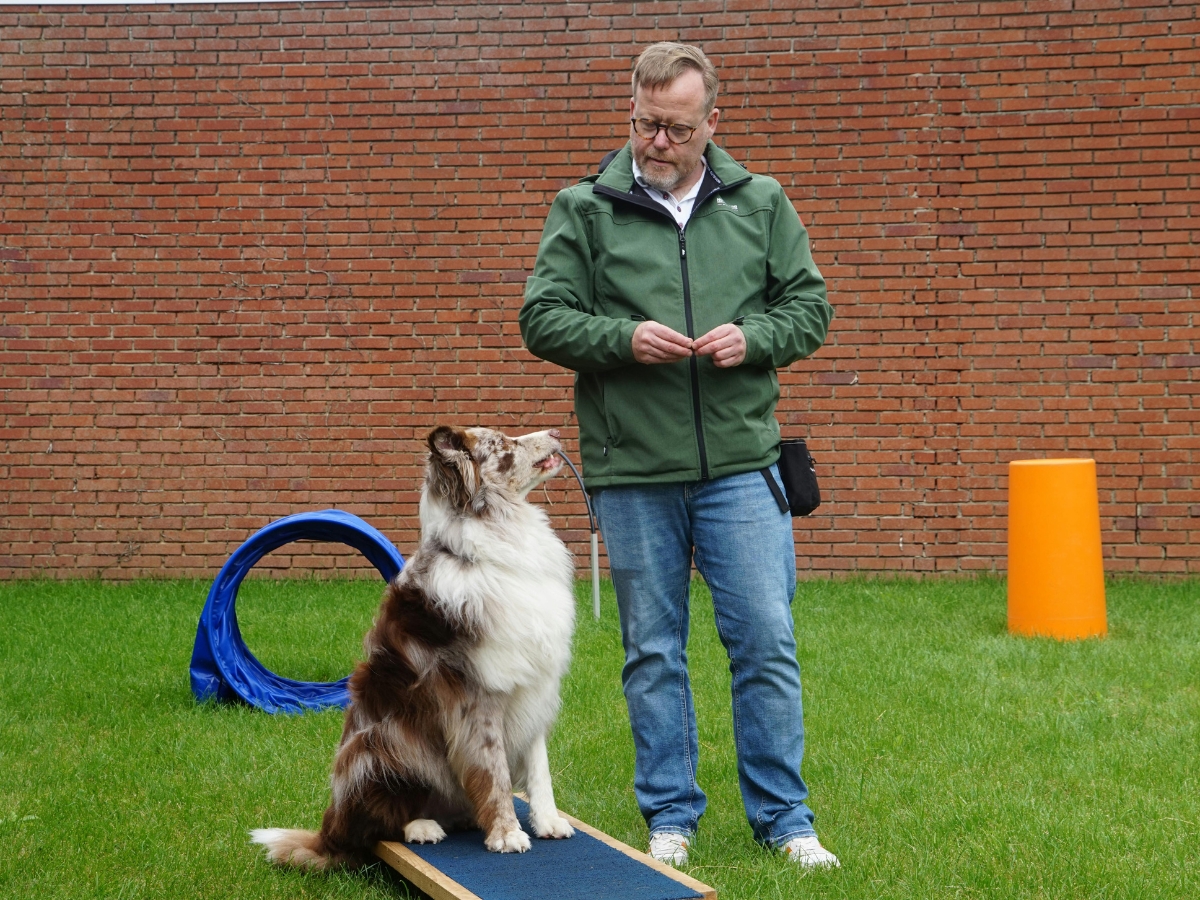
If you’ve ever wondered why your dog listens perfectly at home but “forgets everything” outside, you’re not alone. The truth is: most behavior problems come down to communication, consistency, and using the right dog training techniques at the right time.
In this guide, you’ll learn five proven methods professional trainers rely on—plus exactly how to apply them in real life for better manners, stronger focus, and a calmer, happier dog.
What Are Dog Training Techniques And Why They Matter?
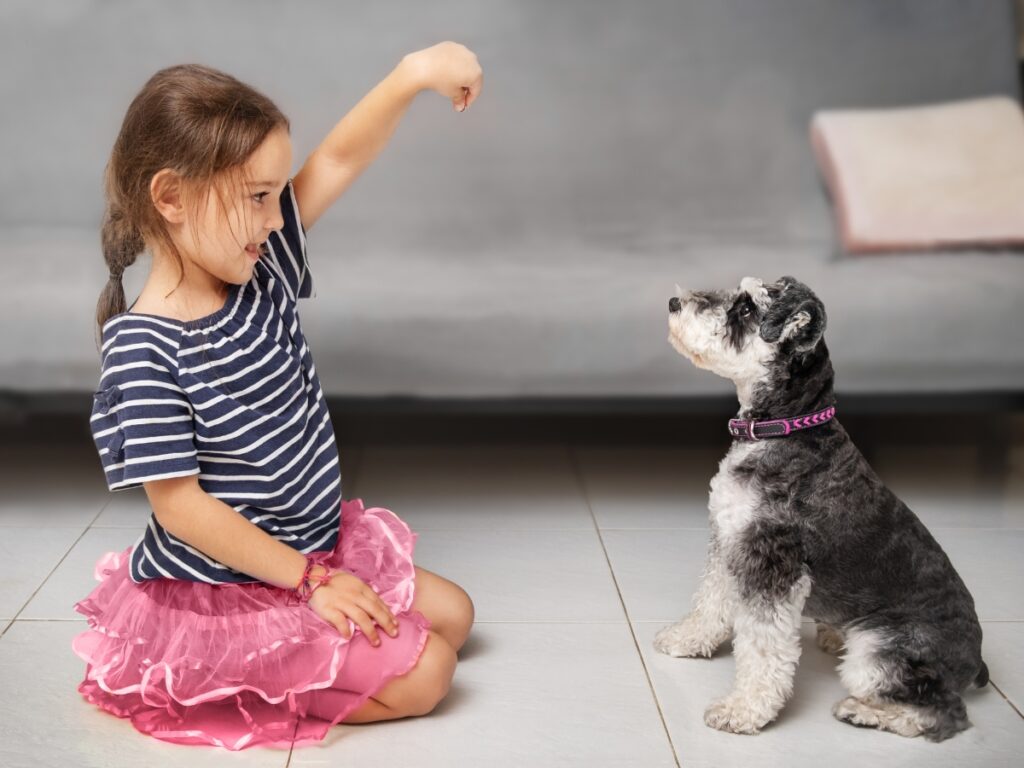
Dog training techniques are the methods you use to teach behaviors like sit, stay, come, and leash walking, while also reducing habits that make life harder, like jumping, pulling, barking, or counter surfing. At their core, these techniques are not about being strict or “dominant.”
They are about helping your dog understand what you want, what to do instead, and what earns a reward. When the rules are clear and the practice is consistent, training feels easier for the dog and less frustrating for the owner.
Good dog training techniques also protect the relationship. If your dog is confused or overwhelmed, you may see shutdown, avoidance, or anxious behavior.
If training is clear and predictable, many dogs become more confident because they know how to succeed. That confidence often carries into everyday life, including walks, greeting people, and settling calmly at home.
Another reason dog training techniques matter is reliability. A behavior that happens only in the living room is not very useful if it falls apart outside.
The best techniques help a dog understand cues in different settings, with different distractions, and with more than one person handling the leash.
What Makes A Training Technique “Proven”?
A proven technique is one that consistently produces results without causing unnecessary stress. It is not just something that worked once for one dog. It is a method that can be applied repeatedly, adjusted for the dog in front of you, and used in real life.
A reliable approach should be clear for the dog to understand. That means the cue, the expected behavior, and the consequence should be easy to connect. If you say “come” but sometimes reward it and other times ignore it, the dog is not learning the cue. They are learning that the cue is unpredictable.
A proven method should also be repeatable across people and environments. Many households struggle because one person allows jumping or pulling while another corrects it.
Strong dog training techniques include consistent rules and consistent timing, which is why professional trainers often focus on household follow-through as much as the dog’s behavior.
It should improve results without increasing fear or confusion. Fear-based methods can suppress behavior temporarily, but they often create new problems like avoidance, reactivity, or stress-related habits.
Effective dog training techniques aim to teach the dog what to do, not just what to stop doing. When training focuses on replacement behaviors, like sitting for attention instead of jumping, the dog has a clear path to success.
Finally, it should work for both basic obedience and real-world behavior. A technique is only as good as its usefulness in daily life. If it teaches a dog to sit but does not help with leash manners, impulse control, or responding around distractions, it is incomplete.
The most effective dog training techniques build obedience and also teach practical skills like calm greetings, focus on walks, and reliable recall.
In practice, “proven” does not mean rigid. It means the method is grounded in consistency, clear communication, and repeatable results. When those elements are present, training becomes less about constant correction and more about building habits your dog can maintain over time.
Technique One: Positive Reinforcement Training
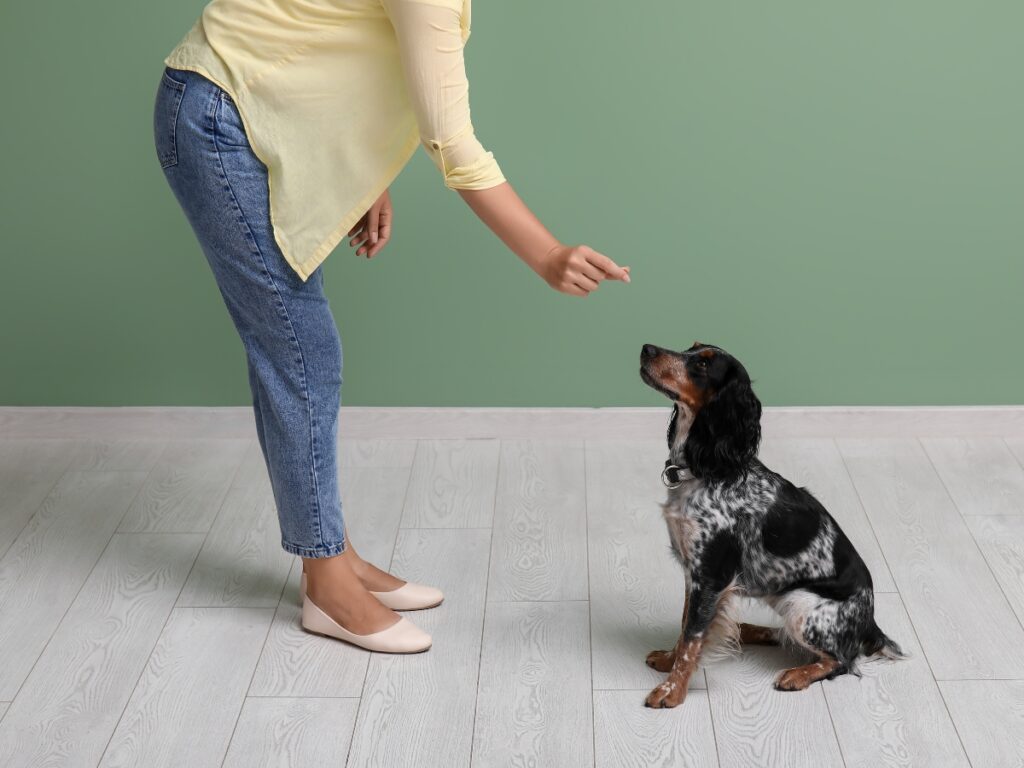
Positive reinforcement is one of the most reliable dog training techniques because it teaches your dog a simple rule: good choices lead to good outcomes. Instead of focusing on what you do not want, you reward what you do want. Over time, the rewarded behavior becomes more frequent because your dog learns which actions “work.”
This approach is especially useful for building trust and motivation. Dogs trained with positive reinforcement often offer behaviors more willingly because the learning process is clear and predictable. It also gives owners a practical way to shape everyday manners without relying on harsh corrections or constant repetition of “no.”
How Positive Reinforcement Works
The concept is straightforward. Your dog performs a behavior you like, and you immediately follow it with something your dog values, such as a small treat, a favorite toy, or warm praise. That immediate reward tells your dog, “Yes, that is the behavior I want.” When the timing is consistent, your dog starts repeating the behavior more often because it has become rewarding.
Timing is what makes this method work. If the reward comes too late, your dog may connect it to the wrong behavior, like standing up after a sit. The goal is to reward the exact moment the correct behavior happens so the dog understands what earned the reward.
Best Behaviors To Teach With This Method
Positive reinforcement works well for basic obedience and everyday routines, which is why it is one of the most commonly recommended dog training techniques. It is especially effective for teaching sit, down, and stay, along with early recall practice in low-distraction environments. It is also a strong foundation for leash manners, because you can reward your dog for walking near you with a loose leash rather than waiting until pulling becomes a problem.
Many owners also use this method to teach “place” or settling on a mat, which helps dogs learn how to relax instead of pacing or barking for attention. Calm greetings are another great fit. Rewarding four paws on the floor teaches your dog that staying grounded is what gets attention, not jumping.
Tips For Better Results
The biggest improvement most owners can make is rewarding faster. Aim to deliver the reward within one to two seconds of the behavior. That quick feedback helps your dog understand exactly what you are paying for.
Start in a low-distraction space so your dog can focus and succeed, then gradually practice in more challenging environments. Treat size matters too. Small pieces work best because your dog can swallow quickly and stay engaged. Keeping rewards high-value also helps, especially when you are competing with distractions.
Finally, keep sessions short. A few minutes of focused practice is usually more productive than long sessions that lead to frustration. Short, consistent sessions make positive reinforcement one of the easiest dog training techniques to use in everyday life.
Technique Two: Marker Training With A Clicker Or “Yes”
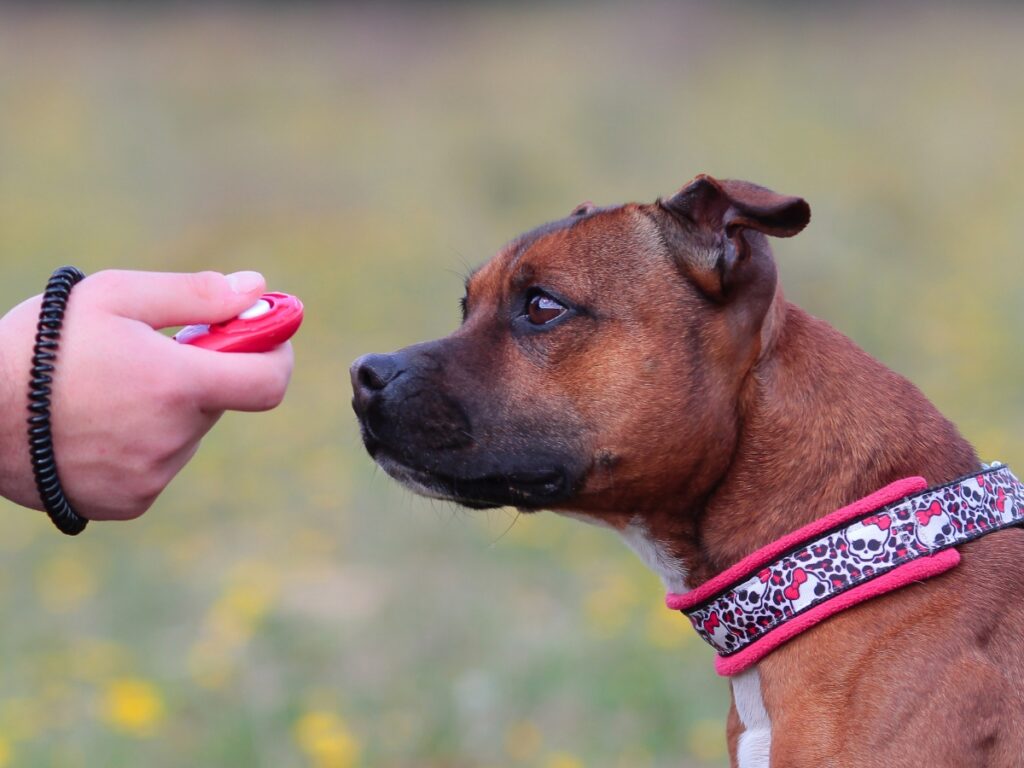
Marker training is one of the most practical dog training techniques because it gives your dog clear feedback at the exact moment they do something right. Instead of hoping your dog connects a delayed treat to the correct behavior, you use a consistent sound to “mark” the correct choice. This reduces confusion, speeds up learning, and helps training feel more predictable for both the dog and the owner.
Many people use a clicker for marker training, but a simple word like “yes” works just as well as long as it is consistent. The real value is precision. The marker tells your dog, “That specific behavior was correct, and a reward is coming.”
What A Marker Is And What It Means
A marker is a short, consistent sound that always signals the same thing. It can be the click of a clicker or a word you say in the same tone every time, such as “yes.” The marker does not replace the reward. It bridges the gap between the behavior and the reward, which is why it is so helpful for improving timing.
The meaning should always stay the same: the moment you hear the marker, you did the right thing and you will be rewarded. When your dog understands this, you can capture tiny moments of progress, like a brief glance toward you on a walk or a split second of calm before jumping.
How To Use Marker Training Step By Step
Start by teaching your dog what the marker means before you use it for any real training. Say “yes” or click, then immediately give a treat. Do this several times in a row so your dog starts to anticipate the reward after hearing the sound. This step is often called “loading” the marker, and it is what makes marker training work smoothly later.
Once your dog understands the pattern, begin marking a specific behavior you want to increase. For example, if you are teaching sit, wait for your dog to sit, then mark the exact moment their hips touch the ground. Immediately follow with a treat. The order matters. Mark first, then reward. Over time, your dog learns which exact action earns the marker, and which actions do not.
Why Marker Training Works So Well
Marker training improves clarity, which is one of the main goals of effective dog training techniques. The marker helps you communicate more precisely, especially when you are teaching something new or working around distractions. It can also make training more consistent across family members, since everyone can use the same sound to mark the same behavior.
This approach is especially useful for shaping behavior gradually. If your dog struggles with a full “down,” you can mark small steps, like lowering their head or bending their elbows, and reward those improvements until the full behavior is easy. With better timing and clearer feedback, your dog often learns faster and with less frustration.
Technique Three: Lure-And-Reward Guided Learning
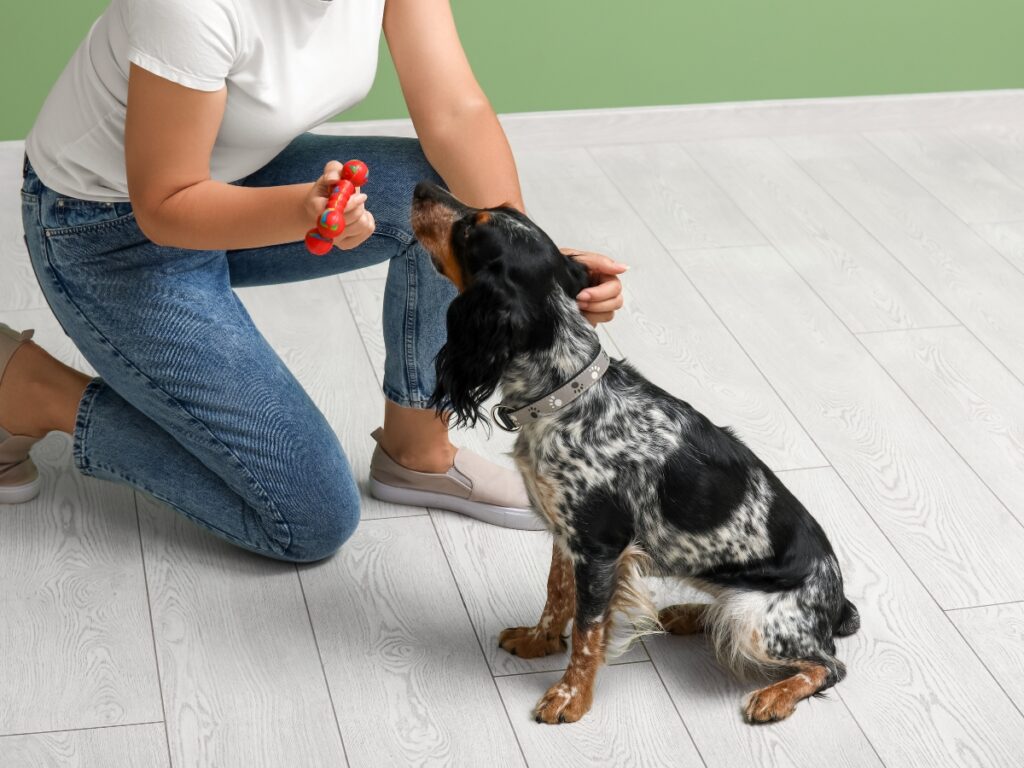
Lure-and-reward is one of the most approachable dog training techniques because it helps dogs learn through guided movement instead of guesswork.
You use a treat or a toy to guide your dog into a position, then reward the moment they complete the behavior. For beginners, it is often the fastest way to get early wins and build momentum with foundational skills.
This method works well because it reduces confusion. The dog is not being corrected for doing the wrong thing. Instead, they are shown how to succeed, then reinforced for getting it right.
Used correctly, lure-and-reward can also build confidence, especially for puppies or shy dogs who benefit from clear direction and predictable outcomes.
When Luring Is Most Useful
Luring is a strong fit when you are teaching simple body positions and movements. It is commonly used for sit, down, spin, and learning where “heel position” is next to your leg. It is also helpful when you want to introduce a new behavior quickly, such as stepping onto a mat, moving into a crate calmly, or following your hand into a certain spot during early leash work.
Because luring gives the dog a clear path to follow, it can be an effective way to teach the first version of a behavior before you start adding distractions. It is one of those dog training techniques that can make training feel easier for the dog and more straightforward for the owner.
How To Lure The Right Way
Start with the treat close to your dog’s nose, then move your hand slowly so your dog can follow without jumping or grabbing. For a sit, you might guide the treat up and slightly back so the dog shifts their weight and naturally sits. For a down, you might move the treat down and forward so the dog folds into position.
As your dog completes the behavior, mark the exact moment they get it right using a clicker or a consistent word like “yes.” Then deliver the treat immediately. The marker helps your dog understand what earned the reward, and it keeps your timing sharp even if your hand has to move to deliver the treat.
Why You Need To Fade The Lure Quickly
The most common mistake with lure-and-reward is keeping the lure around too long. If the dog only responds when they see food in your hand, you end up with a “treat follower” instead of a dog who understands the cue.
Once your dog is performing the behavior smoothly, start fading the lure by using the same hand motion with an empty hand. Reward from the other hand or from a pocket so the dog learns the cue, not the treat.
After that, pair the hand signal with a verbal cue, then gradually reduce treats over time by rewarding intermittently. This keeps the behavior strong without making your dog dependent on seeing food first.
Used this way, lure-and-reward stays one of the most effective dog training techniques for teaching new skills while keeping training clear, upbeat, and easy to repeat.
Technique Four: Shaping With Small Steps
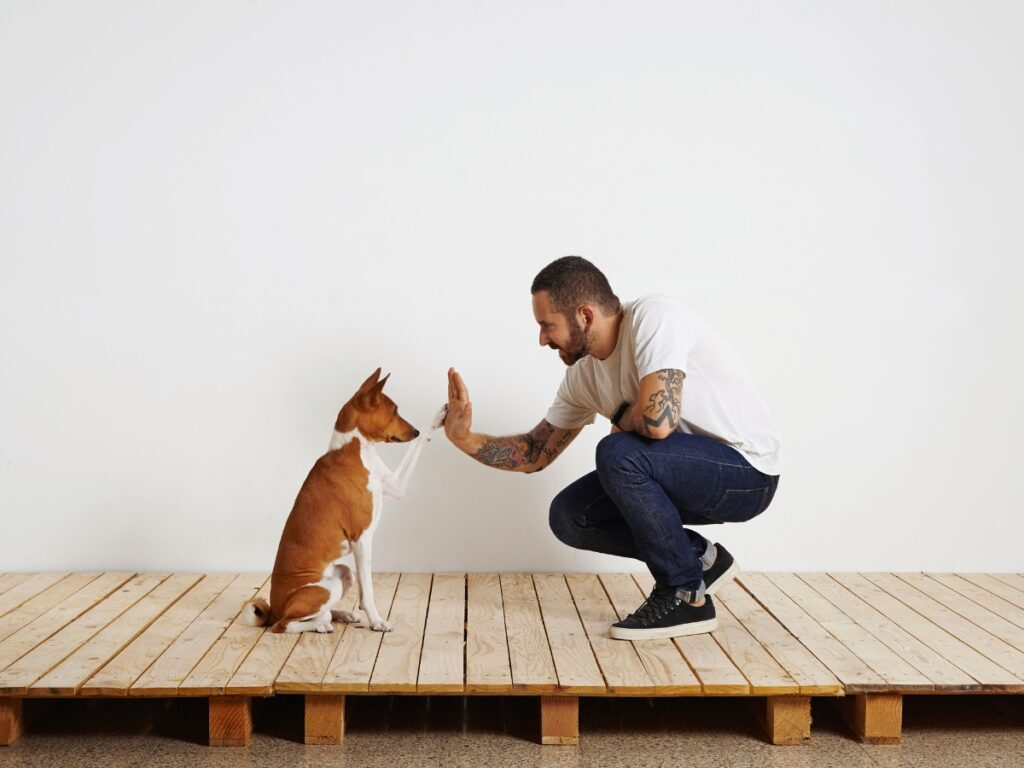
Shaping is one of the most effective dog training techniques for teaching skills that are too complex to “lure” in a single motion. Instead of guiding your dog with food or physically placing them into position, shaping teaches through small, rewarded steps. Your dog offers a tiny piece of the final behavior, you mark it, reward it, and then gradually raise the criteria until the full behavior is complete.
This method is powerful because it turns training into a clear problem-solving game. Your dog learns to think, try, and stay engaged. For many dogs, that mindset shift improves training across the board because they start offering behaviors instead of waiting to be moved into them.
What Shaping Looks Like In Real Training
A simple example is teaching “place,” meaning your dog goes to a bed or mat and stays there. With shaping, you are not pointing at the bed and hoping they understand, and you are not luring them onto it with a treat over and over. You start by rewarding the smallest signs of progress.
You might begin by marking and rewarding when your dog looks at the bed. Next, you reward a step toward it. Then you reward touching it with a paw, then getting fully onto it, and finally staying there calmly.
Each reward is a clear message: that choice was correct, keep going. Over time, those micro-steps build into a reliable behavior that your dog understands, not just follows.
Shaping is one of those dog training techniques that works best when your timing is consistent. Using a marker, like a clicker or a simple “yes,” helps you capture the exact moment your dog meets the current goal.
Why Shaping Helps With Behavior Challenges
Shaping is not only useful for teaching tricks or advanced obedience. It can be especially helpful for behavior issues because it builds confidence and focus without pressure.
Dogs who are timid, easily frustrated, or prone to shutting down often respond well to shaping because they are in control of the learning process. They can take small risks, get rewarded, and build momentum without feeling forced.
It also improves engagement. When a dog learns that offering calm, thoughtful behavior gets rewarded, they tend to become more attentive and easier to redirect.
Shaping can support goals like settling, calm greetings, polite leash behavior, and structured routines at home because the dog is learning to make better choices, not just comply.
A Simple Way To Plan A Shaping Session
Shaping works best when you know what you are building toward. Before you start, define the end behavior in simple terms. Then break it down into several small steps that your dog can realistically accomplish. Keeping the steps small prevents frustration and keeps the session moving.
If you are exploring dog training techniques that build long-term reliability and confidence, shaping is one of the best options. It teaches your dog how to learn, which makes future training faster and often more enjoyable for both of you.
Technique Five: Proofing And Generalization For Real Life
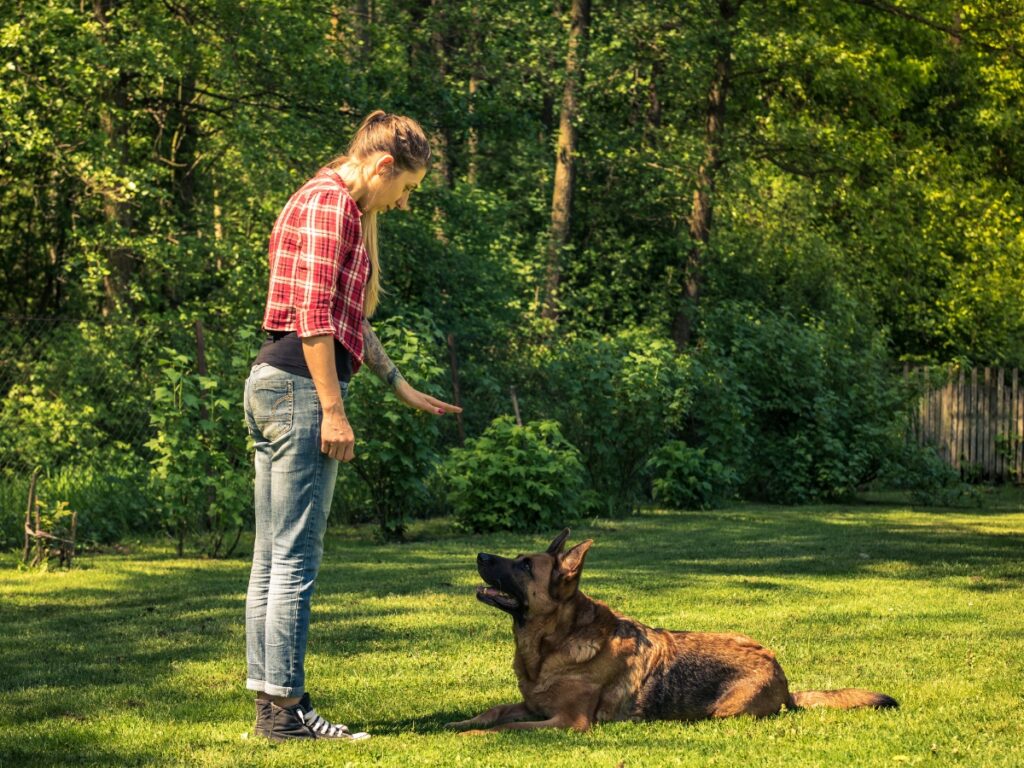
One of the most common frustrations owners face is this: the dog performs perfectly at home, then falls apart the moment you step outside. Your dog can “sit” in the kitchen, but not at the park. That is not stubbornness. It is a normal learning gap, and proofing and generalization are dog training techniques designed to close it.
Dogs do not automatically understand that a cue means the same thing in every environment. A sit in the living room can feel like a completely different task on a busy sidewalk. Different smells, sounds, and movement compete for your dog’s attention, so the cue needs to be practiced in more than one setting to become reliable.
What Proofing Means In Dog Training
Proofing is the process of strengthening a behavior by practicing it under different conditions. Most trainers focus on three changes: distance, duration, and distractions. Distance is how far you are from your dog when you ask for the behavior.
Duration is how long your dog holds it. Distractions are everything happening around your dog, including people, dogs, food smells, noises, and movement.
The key is to adjust only one element at a time. If you ask for a long stay at a far distance while a dog runs by, you are stacking difficulty too quickly. Proofing works best when the dog can succeed, get rewarded, and then gradually handle more challenge without confusion.
This is one of the most important dog training techniques for building reliability, because it turns a “sometimes” behavior into a skill your dog can perform on cue.
How Generalization Builds Consistency
Generalization is the practice of teaching the same behavior in different places so your dog learns the cue is universal. Think of it as taking the behavior on the road.
Start in an easy environment, then move the same cue to a slightly harder one. You might begin in the living room, then practice in the driveway, then on a quiet sidewalk, and later in a busier area.
When you change locations, lower your expectations at first. Use better rewards, reduce distractions when possible, and make the reps easy. Once your dog is successful again, you can build difficulty gradually. This is how you avoid the common pattern of “my dog knows it at home but ignores me outside.”
A Simple Proofing Plan You Can Follow
A practical way to apply these dog training techniques is to progress week by week. Begin indoors with low distraction and focus on short, successful reps.
Next, practice in the backyard or on a quiet street where your dog can still concentrate. Then move to moderate distractions, like a slightly busier walk or a friend’s yard. After that, practice in real-life situations where you want the behavior to work, such as parks or outdoor patios.
Progress is rarely perfectly linear, and that is fine. If your dog struggles, it just means the difficulty needs to come down. Proofing and generalization are not about pushing through failure.
They are about building success in enough environments that the behavior becomes dependable anywhere you need it.
Common Mistakes That Slow Progress
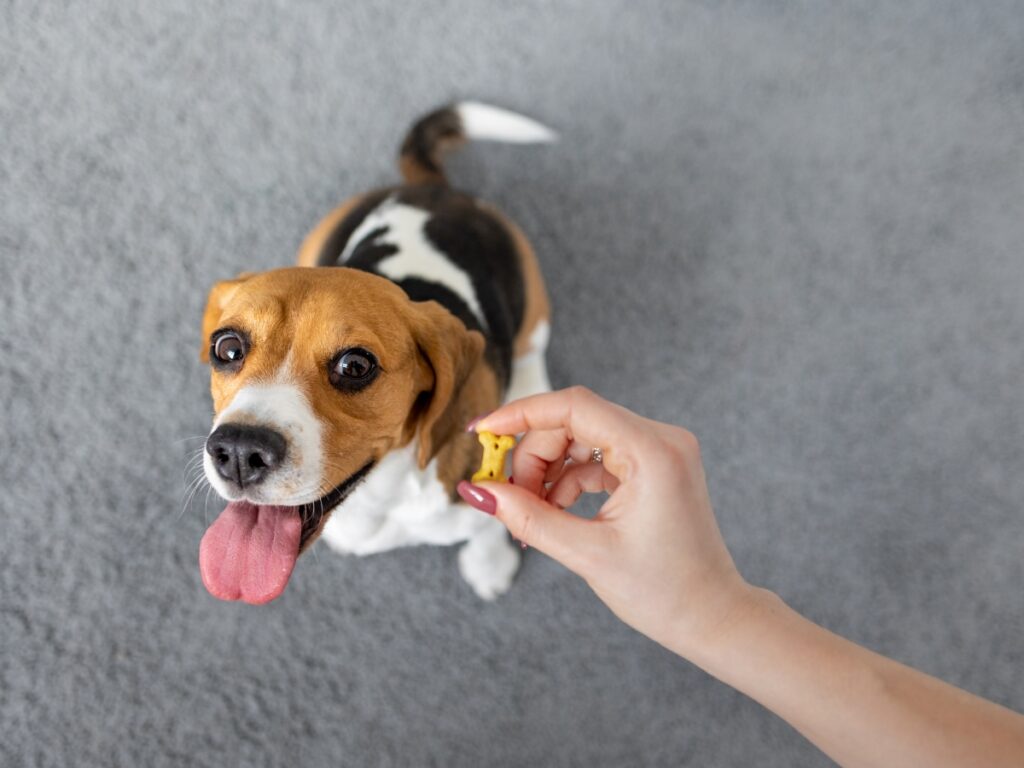
Even the most reliable dog training techniques can feel ineffective if a few common mistakes show up day after day. Most training problems are not about the dog being “stubborn.”
They come down to unclear communication, inconsistent follow-through, or expectations that increase faster than the dog’s skill level. Fixing these issues usually leads to quicker progress without needing a completely new approach.
Inconsistent Cues
Dogs learn through patterns. If one person says “down” while another says “lay down,” your dog has to guess which word actually matters. That guessing slows learning and can make the dog look inconsistent, even when they are trying.
The simplest fix is for everyone in the household to choose one cue for each behavior and use it the same way every time. Consistency is one of the most important foundations in all dog training techniques, whether you are using positive reinforcement, shaping, or leash skills practice.
It also helps to keep body language consistent. If you say “sit” but lean forward one time and step back the next, some dogs will respond differently because your movement becomes part of the cue. Clear words paired with consistent handling are what make behaviors dependable.
Repeating Commands
Repeating cues is one of the fastest ways to train your dog not to listen the first time. If you say “sit, sit, sit,” your dog learns that the first cue is optional and that the third cue is the one that counts. Instead, say the cue once, pause briefly, and then help your dog succeed.
That might mean using a hand signal, stepping into a calmer area, or guiding the dog into position with a lure if you are still teaching the behavior.
Good dog training techniques are built on clear cause and effect. One cue, one chance to respond, then a prompt that helps the dog understand what you meant.
Training Too Long
Long sessions often create frustration, both for the dog and the owner. Dogs learn best in short bursts where they can stay engaged and end on a success. If your dog starts wandering off, sniffing the ground, getting mouthy, or slowing down, that is usually a sign the session has gone on too long.
Short and frequent practice tends to build skills faster than long, occasional sessions. This is especially true for puppies, adolescent dogs, and dogs who are easily distracted. Keeping sessions manageable is one of those simple habits that makes dog training techniques actually stick.
Skipping Reward Value
Reward quality matters, especially when distractions increase. If you are asking your dog to focus near other dogs, squirrels, or exciting people, the reward needs to compete with that environment. A dry kibble reward may work in the kitchen, but it often is not enough outside.
A useful rule is to match the reward to the difficulty. Save higher-value treats for harder situations, then return to simpler rewards when you are practicing easy skills at home. When rewards make sense for the moment, training stays motivating, and progress tends to move much faster.
FAQs About Dog Training Techniques
New dog owners often hear a lot of opinions about training, and it can be hard to sort out what actually works. These FAQs cover the questions people ask most when they are trying to pick practical dog training techniques and get real progress at home.
What Are The Most Effective Dog Training Techniques For Beginners?
For most beginners, the best place to start is positive reinforcement, marker training, and lure-and-reward. These methods are straightforward and easier to apply correctly than techniques that rely on timing-heavy corrections.
They also help build trust, which matters because dogs learn faster when training feels clear and predictable. Once you can teach basic cues like sit, down, and come using these fundamentals, you can expand into more advanced skills such as settling on a mat, calm greetings, and polite leash walking.
How Long Does It Take For Dog Training Techniques To Work?
You may notice small improvements in a few days, especially if you are consistent and practicing in a low-distraction setting. Reliable behavior usually takes longer.
Most dogs need weeks of steady practice before a cue is dependable, and proofing in new environments tends to take the most time. This is where many people get discouraged, but it is normal. Training is not just teaching the behavior once. It is building the behavior so it holds up around real-life distractions.
Should I Use Treats Forever?
Not necessarily. Treats are most helpful while you are teaching a new behavior and while you are proofing it in harder situations. Once the behavior is reliable, you can shift to intermittent rewards, which means you do not reward every repetition.
At that stage, praise, toys, and real-life rewards can do a lot of the work. For example, if your dog sits calmly at the door, the reward can be going outside. Used this way, treats become a tool, not a lifelong requirement.
What Dog Training Techniques Help With Leash Pulling?
Leash pulling usually improves when you reward what you want, which is a loose leash and attention, and make pulling less effective. Start in a quiet area where your dog can succeed, reward frequently for slack leash, and keep sessions short enough that your dog stays focused.
As the behavior improves, gradually practice in more distracting places. Among dog training techniques, proofing and generalization are especially important here, because walking manners often fall apart when the environment gets more exciting.
Can These Techniques Help With Barking And Jumping?
Yes, in many cases. The key is to teach a replacement behavior instead of only trying to stop the unwanted one. For jumping, you reward four paws on the floor, sitting for greetings, or going to “place.”
For barking, you often reward calm behavior before the bark happens, then build a cue like “quiet” by marking and rewarding short pauses. Shaping and positive reinforcement are two dog training techniques that work well because they reinforce calm alternatives and help your dog learn what to do instead.
Build a Better-Behaved Dog With Proven Training Methods
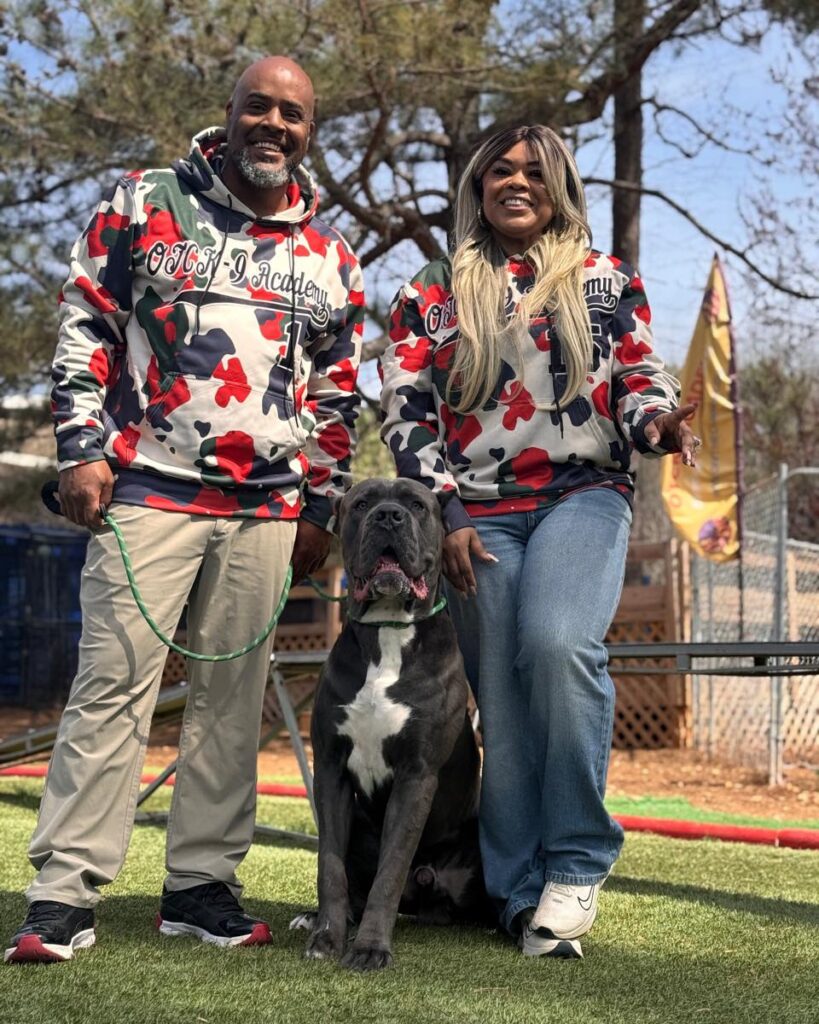
Consistent, proven training techniques can transform the way you and your dog communicate, but having the right guidance makes all the difference. At OTCK9 Academy, experienced trainers help dog owners apply these methods in ways that are practical, humane, and tailored to each dog’s personality and goals.
If you’re ready to build better behavior and a stronger bond, call 770-847-7947 to speak with our team, or fill out our online form to request a free quote and take the first step toward confident, effective dog training. Ready for real results?
Contact OTCK9 Academy today to book a consultation and start building reliable obedience and better manners—at home and beyond.