
Dropping your dog off for boarding can feel stressful, especially if you’re unsure what to prepare. A smooth stay starts long before check-in. Having a complete dog boarding checklist ensures your pet is comfortable, your instructions are clear, and the facility has everything needed to provide safe overnight care.
From updated vaccinations and feeding routines to familiar items that reduce anxiety, small details can make a big difference in how your dog adjusts. Clear communication about behavior, medical needs, and emergency contacts also helps staff respond appropriately in any situation.
Preparing ahead of time not only supports your dog’s well-being but also gives you peace of mind while you’re away, knowing they’re set up for a safe and positive boarding experience.
Preparing Health Documents For Boarding
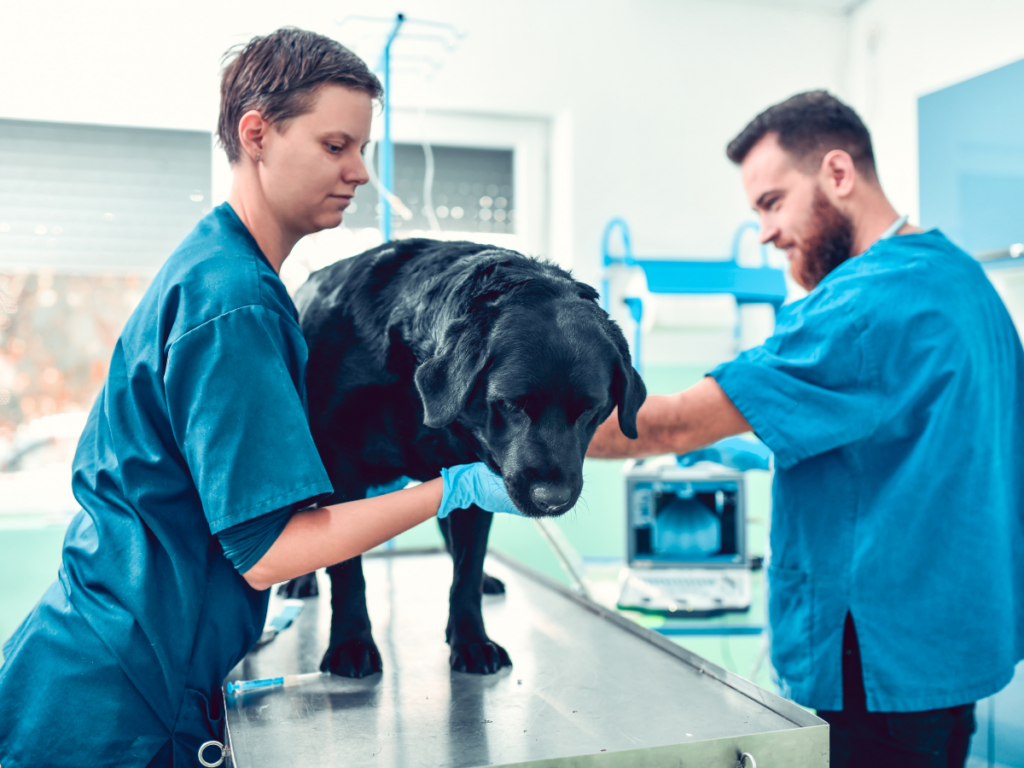
Getting ready for a stay at a boarding facility starts with having the right paperwork in place. A well-organized dog boarding checklist should always include your pet’s vaccination records and health documents.
These are required by most facilities to confirm that your dog is healthy and safe to be around other animals. At a minimum, you will need proof that vaccinations are current and, in some cases, a health certificate from your veterinarian.
This certificate confirms that your dog is free from contagious conditions and fit for boarding. Some facilities may also request additional information, such as a recent photo or notes about your dog’s medical history.
Having these documents ready ahead of time helps avoid delays during check-in. It also ensures that your dog meets the facility’s requirements without last-minute issues.
Essential Vaccinations To Confirm Before Boarding
Vaccinations are one of the most important parts of any dog boarding checklist. Boarding environments bring multiple dogs together in shared spaces, which increases the risk of illness if vaccinations are not up to date.
Most facilities expect documentation for core vaccines, including rabies, distemper, and parvovirus. These protect against serious conditions that can spread quickly among dogs.
In addition, many locations require protection against Bordetella, which is linked to kennel cough, and may also request coverage for canine influenza.
It is a good idea to confirm requirements directly with the facility before your scheduled drop off. This allows time to update any vaccinations if needed and ensures that all records are complete.
Organizing Documents For A Smooth Check-In
Keeping paperwork organized can make the boarding process much easier. A clear system helps both you and the staff quickly review the necessary information. As part of your dog boarding checklist, it helps to gather everything in one place before arrival.
A simple approach can include:
- Keeping vaccination records and health certificates together in a folder
- Labeling documents clearly so they are easy to review
- Bringing both printed copies and digital backups if available
This level of preparation reduces confusion during check-in and helps staff access the information they need without delay. It also allows you to quickly answer any questions about your dog’s health history.
Communicating Important Health Details
Beyond basic documents, it is important to share any additional health information that may affect your dog’s stay. This could include allergies, medication schedules, or recent changes in behavior. Including these details as part of your dog boarding checklist ensures that nothing is overlooked.
Clear communication helps staff provide appropriate care and avoid potential issues. Even small details can make a difference in how your dog adjusts to a new environment.
Staying Organized For Future Visits
Once you have a system in place, it becomes easier to prepare for future boarding stays. Keeping records updated and stored in one location saves time and reduces stress each time you travel.
A consistent dog boarding checklist not only simplifies the process but also helps ensure your dog’s safety and comfort. With the right documents and a bit of preparation, boarding can be a smoother experience for both you and your pet.
Creating A Clear Feeding And Medication Plan
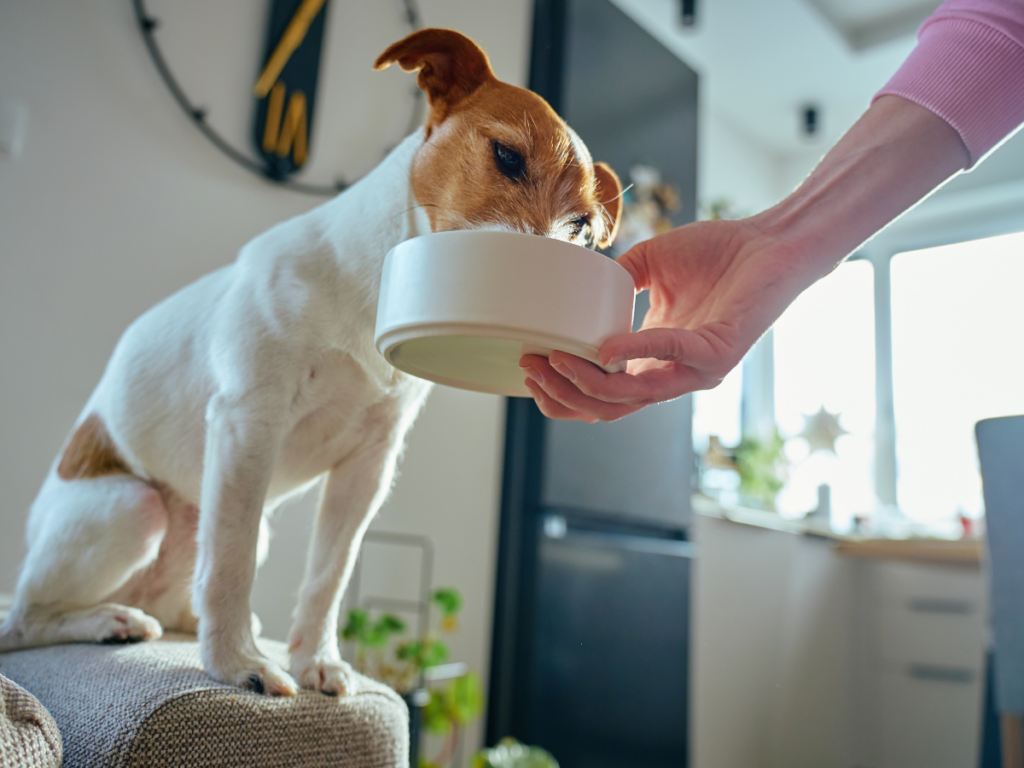
A well-prepared feeding and medication plan is an important part of any dog boarding checklist. When your dog is staying overnight, staff rely on clear instructions to maintain routines and avoid disruptions. Taking the time to outline these details helps ensure your dog receives consistent care even in a new environment.
Start by writing down your dog’s normal schedule at home. This includes feeding times, portion sizes, and any medications that are given throughout the day. Keeping the routine as close as possible to what your dog is used to can reduce stress and help them adjust more easily during their stay.
A strong dog boarding checklist should include both feeding and medication details in one place so nothing is missed during handoff.
Detailing Feeding Instructions For Consistency
Feeding instructions should be simple, specific, and easy to follow. Boarding staff may be caring for multiple dogs at once, so clarity is key. Instead of general directions, provide exact times and amounts to avoid confusion.
It helps to include:
- How many times your is dog fed each day, and the preferred timing
- The exact portion size for each meal
- Any dietary restrictions, allergies, or sensitivities
If your dog has specific habits, such as needing water added to food or eating from a certain type of bowl, those details can also be included. Adding this information to your dog boarding checklist ensures that feeding stays consistent throughout the visit.
Organizing Medication Instructions Clearly
Medication requires careful attention, so instructions should be detailed and easy to follow. A clear schedule helps prevent missed doses or incorrect timing, which is especially important for dogs with ongoing health needs.
Write out each medication along with when it should be given and how it should be administered. If there are specific techniques involved, such as giving medication with food or in a certain position, include that information as well.
Keeping these details organized as part of your dog boarding checklist allows staff to quickly reference what is needed without second-guessing instructions.
Including Emergency Information And Backup Plans
Even with a clear plan in place, it is important to prepare for unexpected situations. Providing emergency details helps staff respond quickly if something does not go as planned.
Include contact information for your veterinarian and any backup contacts who can make decisions if you are unavailable. It is also helpful to note what steps should be taken if a dose is missed or if your dog has a reaction to medication.
This information adds an extra layer of reassurance and helps ensure your dog’s safety throughout their stay.
Keeping Everything Easy To Follow
The goal of any dog boarding checklist is to make care as straightforward as possible. When feeding and medication instructions are clearly written and organized, staff can follow them with confidence.
Simple formatting, clear labeling, and consistent details all make a difference. By preparing everything in advance, you create a smoother experience for both the boarding team and your dog.
What Comfort and Familiar Items Should You Bring for Your Dog’s Boarding Stay?
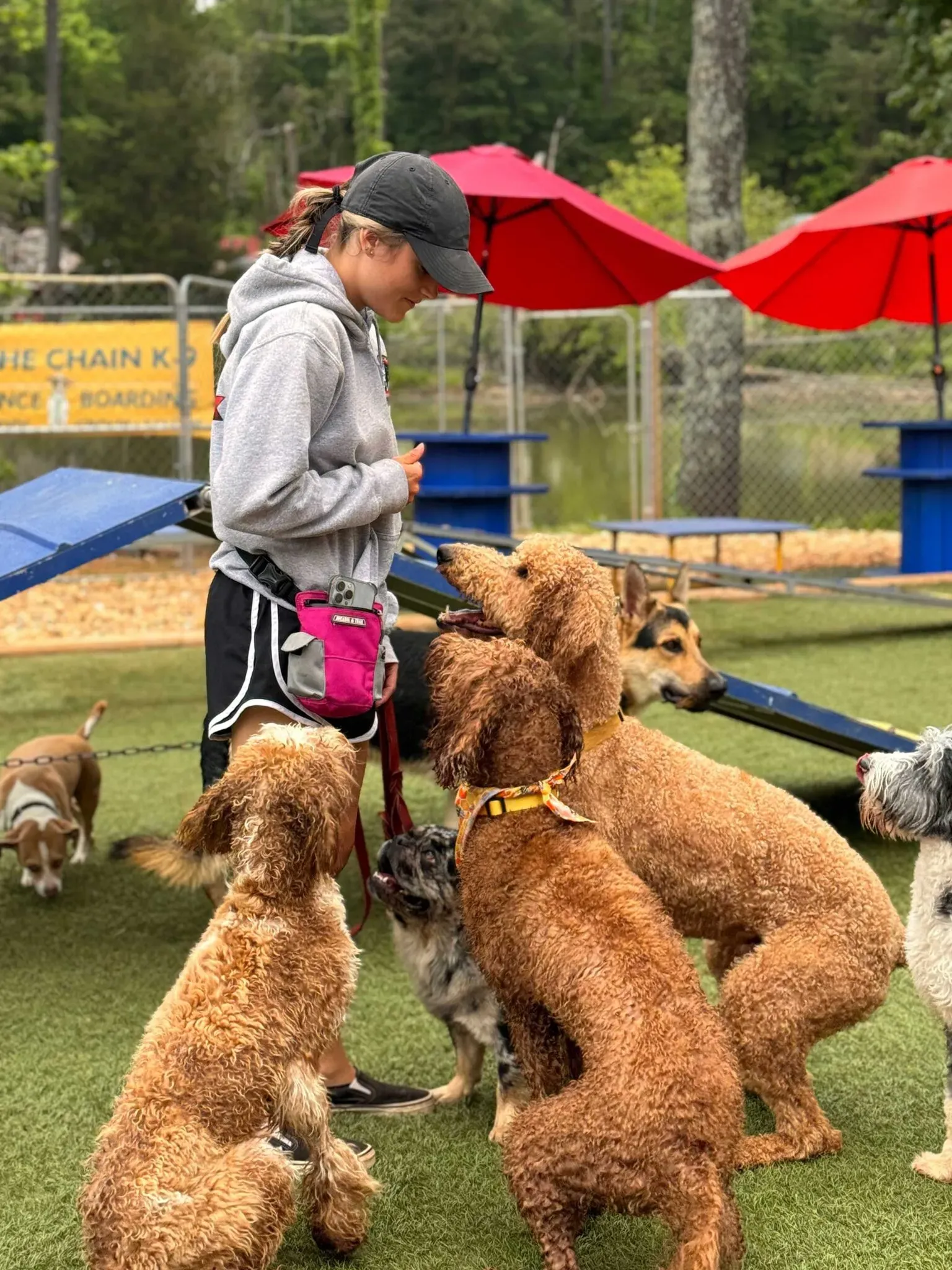
A stay at a boarding facility can feel unfamiliar for many dogs, even if the environment is well-managed. New smells, sounds, and routines can create some level of stress, especially during the first day or two.
Including comfort items as part of your dog boarding checklist helps ease that transition and gives your dog something familiar to rely on.
Dogs respond strongly to scent and routine, so small items from home can make a noticeable difference. These items do not need to be elaborate.
What matters most is that they are recognizable and tied to your dog’s everyday environment. When included in your dog boarding checklist, comfort items become part of a larger plan to support your dog’s well-being.
Choosing Familiar Bedding And Soft Items
Bedding is often one of the most effective ways to provide comfort during boarding. A familiar blanket or mat carries both scent and texture that your dog already associates with rest. This can help create a sense of stability in a new space.
When selecting bedding, it helps to choose something your dog regularly uses at home. This could be a blanket from their usual sleeping spot or a soft mat they are already comfortable with. Avoid introducing new items right before boarding, since unfamiliar objects may not have the same calming effect.
Clean items are important, but it is also helpful if they still carry a light scent from home. This balance supports comfort without introducing anything that feels unfamiliar.
Selecting Toys That Provide Engagement And Comfort
Toys can serve both as a distraction and a source of familiarity. Including a few well-chosen items in your dog boarding checklist can help reduce boredom and provide something your dog enjoys interacting with during downtime.
A mix of simple and engaging toys tends to work best. For example, a favorite chew toy can provide comfort, while an interactive toy can help keep your dog mentally occupied. These items can make the environment feel less unfamiliar and give your dog something to focus on throughout the day.
It is important to avoid overpacking. A few familiar toys are usually enough to provide comfort without overwhelming the space or creating confusion for staff.
Using Personal Items To Provide Reassurance
Items that carry your scent can have a calming effect, especially during the first part of the stay. Dogs often rely on scent for reassurance, and having something that smells like home can help reduce anxiety.
Common options include an old T-shirt or a small cloth that has been kept in your home. These items do not need to be noticeable or elaborate. Their value comes from the familiarity they provide.
Adding one or two personal items to your dog boarding checklist helps create a connection between your dog’s home environment and the boarding space. This can make the adjustment feel less abrupt.
Packing Comfort Items The Right Way
How you pack comfort items can affect how useful they are during the stay. Keeping everything organized and clearly labeled helps staff place items where they are most effective. It also reduces the chance of items being misplaced.
When preparing your dog boarding checklist, focus on items your dog already knows. Avoid adding new toys or bedding at the last minute, since they may not provide the same level of comfort. Make sure everything is in good condition and safe for use in a shared environment.
Creating A More Familiar Boarding Experience
Comfort items play a simple but important role in helping dogs adjust to boarding. By including familiar bedding, a few favorite toys, and scent-based items, you create a more stable environment within an unfamiliar setting.
A thoughtful dog boarding checklist that includes these details can make the experience smoother for both your dog and the staff caring for them. Over time, this preparation helps reduce stress and supports a more positive boarding stay.
Why Emergency Contact Details Matter For Boarding
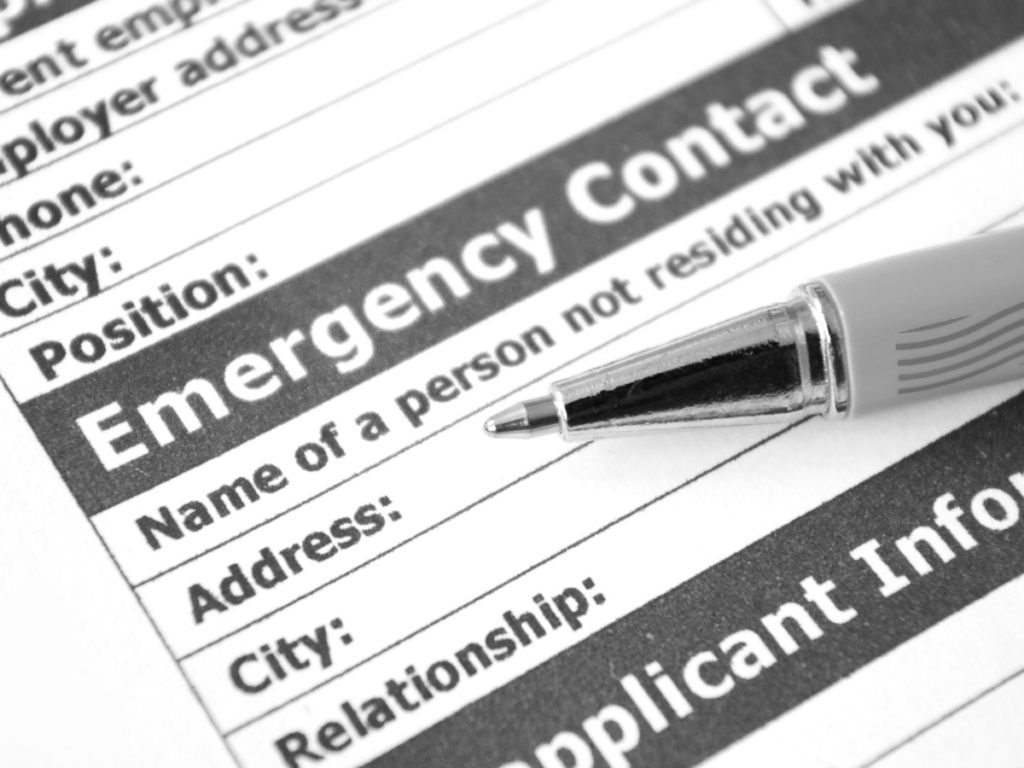
Clear emergency information is one of the most important parts of a dog boarding checklist. While most stays go smoothly, unexpected situations can happen, and having the right contacts available helps staff respond quickly. Without this information, even small issues can take longer to resolve.
Providing complete and accurate details ensures that decisions can be made without delay. It also gives boarding staff confidence that they can reach the right person if something changes during your dog’s stay. A well-prepared dog boarding checklist should always include updated contact information before drop-off.
Essential Contact Information To Include
Emergency contacts should be easy to access and clearly written. This helps avoid confusion, especially if staff need to act quickly. Start by including your own contact details as the primary caregiver. This should include your phone number and, if possible, an additional way to reach you, such as email.
It is also important to list your veterinarian’s contact information. This gives staff a direct point of contact for medical questions or urgent care. In some cases, boarding facilities may already have a preferred clinic, but providing your own veterinarian ensures continuity of care.
Adding a secondary contact is another important step. This should be someone you trust who can make decisions if you are unavailable. Including this information as part of your dog boarding checklist helps create a backup plan without adding complexity.
Sharing Important Health And Care Details
Beyond contact numbers, it is helpful to include any health-related information that may affect your dog during their stay. This can include allergies, ongoing treatments, or specific conditions that require attention.
Providing this context allows staff to respond more effectively in case of an issue. It also reduces the need for guesswork, since important details are already documented.
A complete dog boarding checklist should connect emergency contacts with relevant health information so that everything can be referenced in one place.
If your dog requires medication or has a history of certain reactions, make sure those details are easy to find. Clear communication helps prevent delays and supports better care overall.
Outlining Emergency Procedures And Preferences
Some dog owners prefer to include specific instructions for how emergencies should be handled. This can be useful if there are particular preferences around treatment, transport, or decision-making.
For example, you may want to note whether staff should contact your veterinarian first or proceed with immediate care if needed. Including these preferences in your dog boarding checklist gives staff guidance while still allowing them to act quickly.
It is also helpful to confirm that the facility has its own emergency procedures in place. Knowing how they typically handle situations can help you provide information that aligns with their process.
Keeping Information Clear And Accessible
Organization plays a key role in how useful your emergency information is. Contact details should be easy to read and grouped in a way that makes sense. Avoid spreading information across multiple notes or documents.
A simple format can make a difference:
- List primary, secondary, and veterinary contacts together
- Label each clearly so staff know who to call first
- Keep all emergency details in the same section of your dog boarding checklist
This approach ensures that nothing is overlooked when time matters most.
Supporting A Safer Boarding Experience
Providing complete emergency information is a straightforward but essential step in preparing for boarding. When included as part of a well-organized dog boarding checklist, it helps staff respond quickly and confidently if needed.
With the right details in place, your dog’s care can continue without unnecessary delays. This preparation not only supports safety but also makes the overall boarding experience smoother for everyone involved.
Understanding Facility Rules Before Boarding
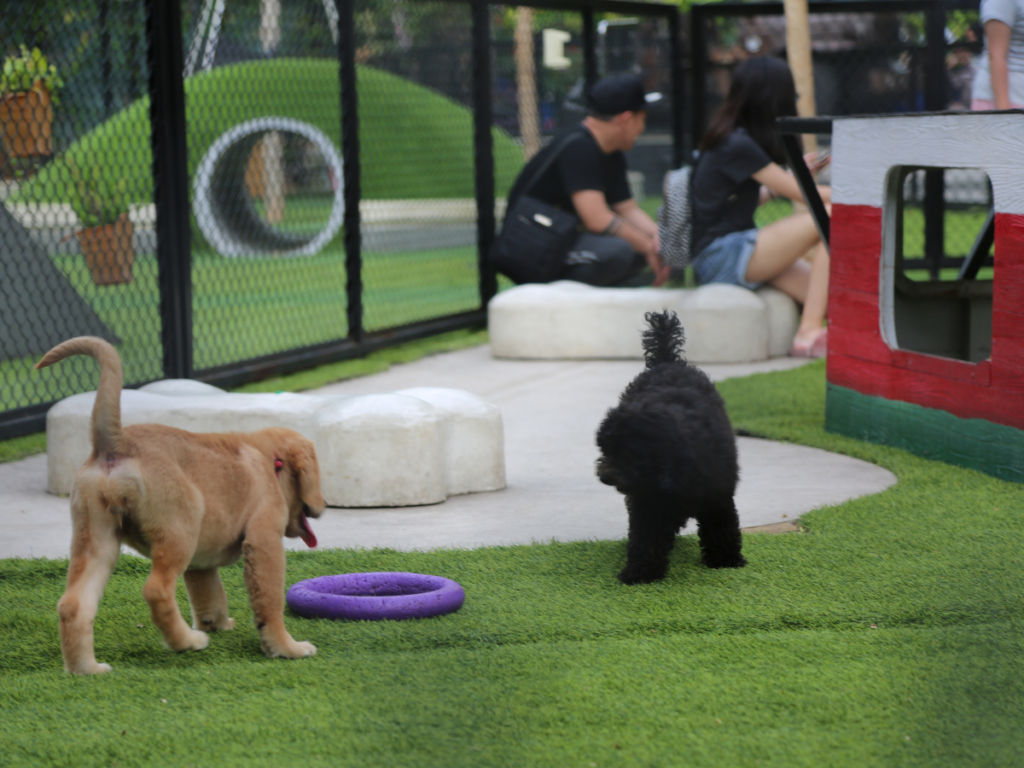
Every boarding facility operates a little differently, which is why reviewing their rules ahead of time is an important part of any dog boarding checklist. These guidelines are designed to keep all dogs safe, maintain structure, and ensure that staff can manage care effectively.
Most facilities will outline expectations around behavior, health requirements, and daily routines. Taking time to understand these details helps prevent surprises at check-in and allows you to prepare your dog for the environment they will be entering.
A well-prepared dog boarding checklist should include a review of the facility’s policies so you can align your preparation with their requirements.
The Role Of Evaluations And Behavior Assessments
Many boarding facilities require an initial evaluation before accepting a dog for overnight care. This step helps staff understand how your dog interacts with people and other animals. It also allows them to determine whether the environment is a good fit.
These evaluations are usually brief but important. They may involve observing how your dog responds to new surroundings, other dogs, and basic handling. While this process may seem unnecessary at first, it plays a key role in preventing issues during group play or shared spaces.
Including this step in your dog boarding checklist ensures that you schedule any required evaluations in advance rather than trying to complete them at the last minute.
How Structured Routines Support A Smooth Stay
Boarding facilities typically follow structured daily routines to manage feeding, exercise, and rest periods. These routines help create consistency, which is important when multiple dogs are being cared for at the same time.
For your dog, adjusting to a new routine can take a short period of time. However, clear schedules often make the transition easier because they provide predictable patterns throughout the day. Feeding times, play sessions, and rest periods are usually set to maintain balance and reduce overstimulation.
Understanding these routines ahead of time allows you to prepare your dog accordingly. Adding this to your dog boarding checklist can help you adjust feeding or activity patterns at home before the stay, making the transition smoother.
The Importance Of Supervision And Staff Training
Supervision is one of the most important safety factors in any boarding environment. Dogs may interact with others during playtime, and having trained staff present helps reduce the risk of conflict or injury.
Facilities that prioritize supervision typically have staff members who understand dog behavior and know how to respond if situations change. This includes recognizing signs of stress, managing group dynamics, and stepping in when needed.
When reviewing a facility, it helps to confirm that supervision is part of their standard practice. Including this in your dog boarding checklist ensures that safety is considered alongside comfort and convenience.
How Kennel Requirements Shape Your Dog’s Experience
Boarding kennel requirements influence how your dog will experience their stay from start to finish. These requirements often include behavior expectations, vaccination standards, and participation in daily routines.
For some dogs, structured environments can feel unfamiliar at first. However, they often lead to a more stable experience once your dog becomes accustomed to the schedule. Facilities that follow consistent guidelines tend to create a predictable setting, which can reduce stress over time.
Behavior-aware handling is another important factor. Staff who understand different temperaments can adjust their approach based on your dog’s needs. This makes a noticeable difference in how comfortable your dog feels during their stay.
Preparing For A Positive Boarding Experience
Taking the time to understand facility rules and safety guidelines helps set the stage for a smoother experience. When these details are included in your dog boarding checklist, you are better prepared for what to expect and how to prepare your dog.
Clear expectations, structured routines, and proper supervision all contribute to a more stable environment. With the right preparation, boarding can become a manageable and positive experience for both you and your dog.
Preparing Your Dog For The Trip
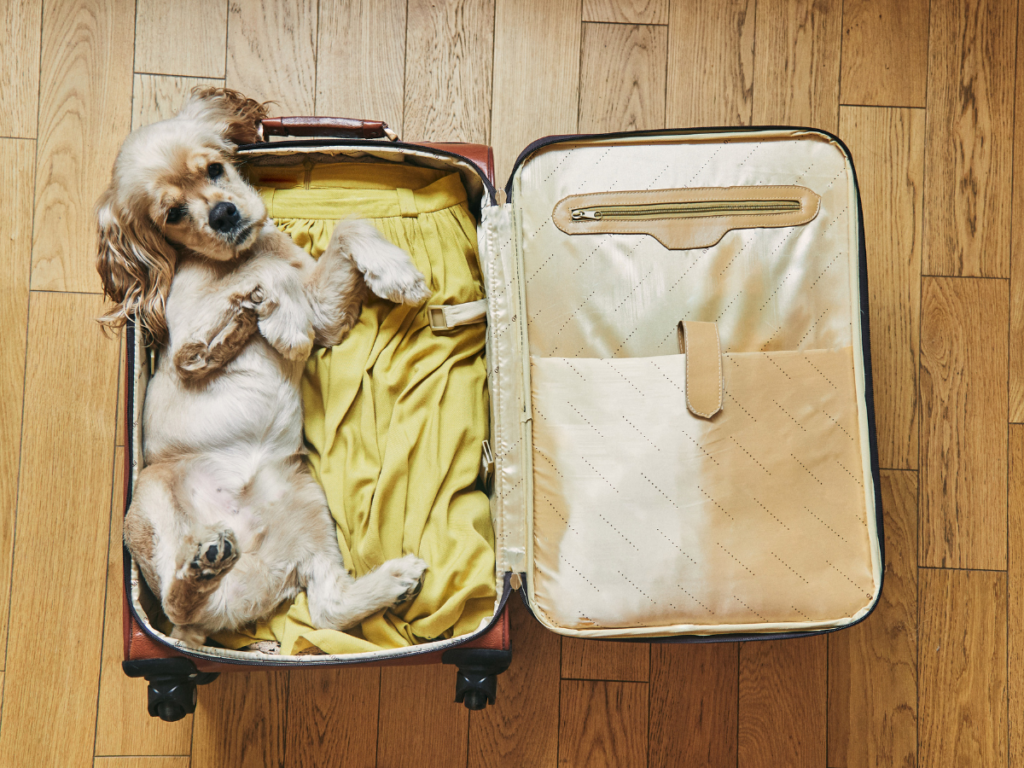
Traveling to a boarding facility can feel unfamiliar for many dogs, especially if they are not used to car rides or new environments. Including travel preparation in your dog boarding checklist helps make the transition smoother and reduces stress before arrival.
One of the most effective ways to prepare is through short practice trips. Taking your dog on brief drives ahead of time helps them become more comfortable with the motion and routine of getting in the car. This can make the actual trip feel less overwhelming.
It also helps to keep the travel experience calm and predictable. Bringing along a familiar item, such as a blanket or toy, can provide reassurance during the drive. These small steps, when added to your dog boarding checklist, can make a noticeable difference in how your dog responds to travel.
Packing Essentials Before You Leave
Packing ahead of time helps avoid last-minute stress and ensures nothing important is forgotten. A complete dog boarding checklist should include everything your dog needs for both the trip and their stay.
Focus on gathering items that support routine and comfort. This often includes food, medications, and familiar belongings. Having these items organized in advance makes it easier to manage check-in and gives staff everything they need to care for your dog properly.
It can be helpful to double-check your list before leaving. This reduces the chance of needing to return home for a forgotten item and keeps the process smooth from start to finish.
Supporting Your Dog’s Comfort During Travel
Some dogs handle travel easily, while others may need extra support. Paying attention to your dog’s behavior during car rides can help you prepare for any challenges ahead of time.
If your dog shows signs of anxiety, such as restlessness or vocalizing, it may help to adjust how the trip is handled. Keeping the environment quiet, avoiding sudden stops, and maintaining a steady routine can all help create a more comfortable experience.
Health is another factor to consider. Making sure your dog is well rested and not overly full before travel can help prevent discomfort. Including these considerations in your dog boarding checklist ensures that both the trip and arrival go more smoothly.
Making Check-In Easier For Everyone
A smooth check-in process sets the tone for your dog’s stay. When you arrive, giving your dog a few moments to adjust can help reduce initial anxiety. Allowing them to observe the environment and interact briefly with staff can make the space feel less unfamiliar.
Having your documents, supplies, and instructions ready also helps keep things organized. Staff can review information more quickly, and your dog can transition into their new environment without unnecessary delays.
Preparation plays a key role here. When your dog boarding checklist is complete and everything is easy to access, check-in becomes a straightforward process rather than a rushed one.
Communicating Clearly With Boarding Staff
Clear communication is just as important as preparation. Boarding staff rely on the information you provide to care for your dog properly, so it helps to be specific about routines, preferences, and any special needs.
This can include feeding schedules, medication instructions, and behavioral details that may affect how your dog interacts with others. Sharing this information clearly allows staff to maintain consistency during your dog’s stay.
It also helps to keep instructions simple and organized. When details are easy to follow, there is less room for confusion, which supports better care overall.
Creating A Calm And Organized Experience
Preparing for travel and check-in is about more than logistics. It helps create a smoother experience for both you and your dog. When each step is planned out and included in your dog boarding checklist, the process feels more manageable from start to finish.
With the right preparation, travel becomes less stressful, check-in becomes more efficient, and your dog can settle into their stay with greater ease.
How Technology Supports A Better Boarding Experience
Technology has become a useful part of modern pet care, and it can add an extra layer of reassurance during boarding. While preparation and routine still matter most, digital tools can support your dog boarding checklist by making communication and monitoring easier throughout your dog’s stay.
Many boarding facilities now use systems that allow owners to stay informed without interrupting daily care. This can include updates, notifications, or access to certain features that help you stay connected.
When used alongside a well-prepared dog boarding checklist, these tools help create a more complete and organized experience.
Technology does not replace hands-on care, but it can make the process more transparent and easier to manage from a distance.
The Value Of Live Video Monitoring
Live video monitoring is one of the most common features offered by boarding facilities. It allows you to check in on your dog during the day and observe how they are adjusting to the environment. For many owners, this adds a sense of reassurance, especially during the first stay.
Being able to see your dog in real time helps confirm that they are comfortable and engaging with their surroundings. It also provides a clearer picture of how routines are being followed. This level of visibility can make it easier to trust the process, particularly if you are new to boarding.
While it is not necessary to check constantly, having access to video can support your dog boarding checklist by giving you an added way to stay informed without relying solely on updates.
Improving Communication Through Digital Tools
Clear communication is a key part of any boarding experience, and digital tools can make that process more efficient. Many facilities use apps or messaging systems to share updates, answer questions, and provide quick information about your dog’s day.
These tools help keep everything organized in one place. Instead of relying on phone calls alone, you can receive updates in a format that is easy to review later. This can include feeding confirmations, activity notes, or general observations about your dog’s behavior.
Using these tools as part of your dog boarding checklist helps ensure that communication stays consistent. It also allows you to provide updates or ask questions without disrupting staff during busy periods.
Enhancing Safety And Daily Care
Technology can also support safety and routine care in ways that are not always visible. Some facilities use systems to track feeding schedules, monitor activity levels, or maintain records of care throughout the day. These tools help staff stay organized and reduce the chance of missed steps.
Automated reminders and digital tracking can be especially useful when multiple dogs are being cared for at once. They help ensure that each dog’s needs are met according to the instructions provided.
Including this consideration in your dog boarding checklist allows you to ask about how the facility manages daily routines and whether technology is part of that process.
Balancing Technology With Personal Care
While technology adds convenience and visibility, it works best when combined with attentive, in-person care. The goal is not to rely entirely on digital tools, but to use them as support for an already well-managed environment.
When reviewing a facility, it helps to consider how technology is used alongside staff supervision and routine care. A balanced approach often leads to a more reliable experience for both you and your dog.
Creating A More Connected Boarding Experience
Technology can make boarding feel less distant by keeping you informed and involved, even when you are not physically present. When paired with a thoughtful dog boarding checklist, these tools help create a smoother and more connected experience.
With the right combination of preparation, communication, and oversight, boarding can feel more manageable and less stressful from start to finish.
- App Features: Familiarize yourself with the features of the boarding facility’s app, such as messaging and updates.
- Communication Benefits: Use the app to ask questions and receive timely responses from staff.
- User Experience: Ensure that the app is user-friendly and provides the information you need for your dog’s care.
Conclusion
Preparing your dog for overnight boarding with a thorough checklist ensures both peace of mind for you and a safe, comfortable experience for your furry family member.
From health records and emergency contacts to familiar comforts and clear care instructions, thoughtful preparation sets the stage for a successful stay. For exceptional boarding services backed by professional care and genuine compassion, trust OTCK9 Academy.
Ready to ensure your dog receives the best care while you’re away? Call 770-874-6454 or fill out our website form with any questions today. Let our experienced team provide the safe, nurturing environment your beloved companion deserves.