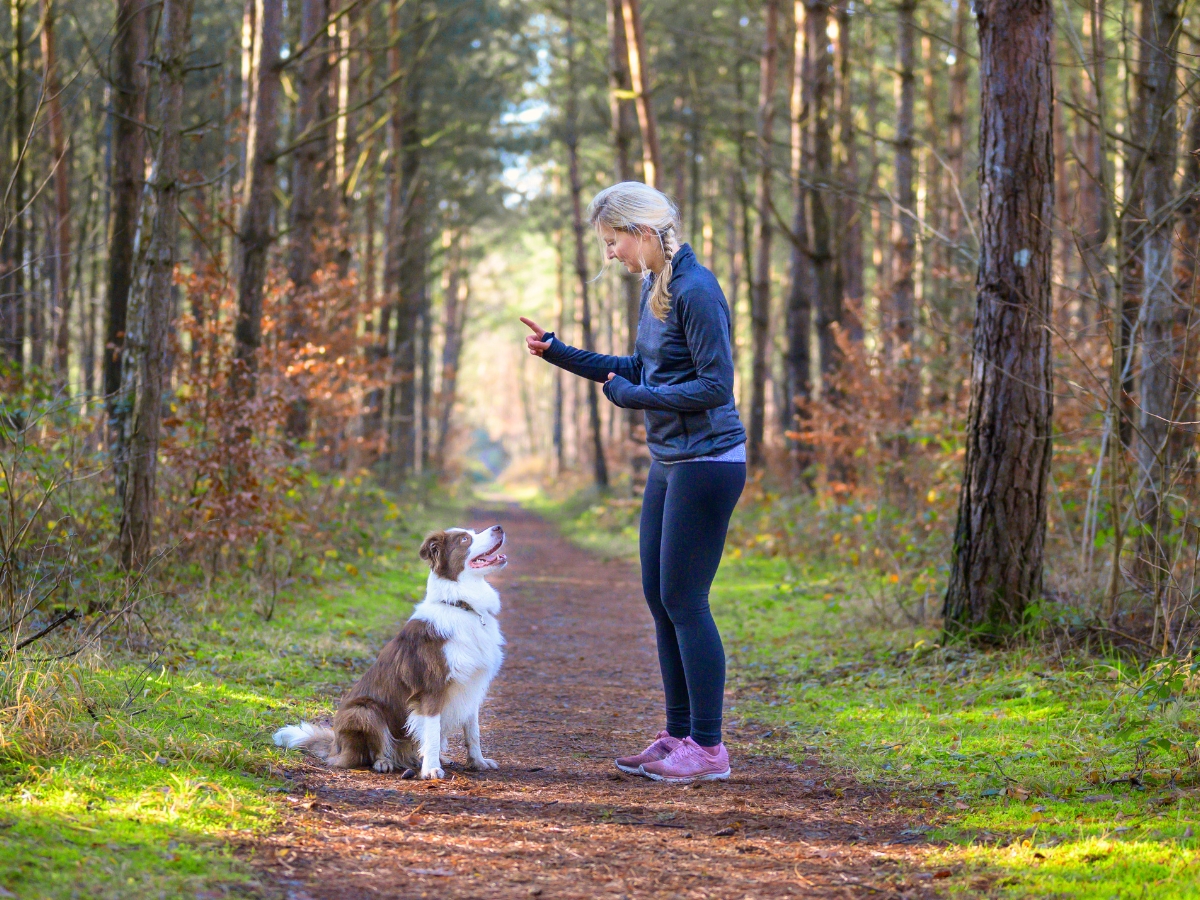
Anxious behavior in dogs doesn’t just “go away” on its own. Pacing, whining, destructive habits, or reactivity are often signs of underlying stress that needs to be addressed with the right approach.
Understanding behavior modification anxiety can help you respond in a way that reduces fear in your dogs instead of reinforcing it.
Effective behavior modification focuses on consistency, timing, and gradual exposure rather than quick fixes. Building positive associations, setting clear routines, and recognizing triggers all play a role in helping dogs feel more secure in their environment.
With patience and the right techniques, you can guide your dog toward calmer behavior, improve their confidence, and create a more relaxed, manageable home environment.
Identifying Symptoms Of Anxiety In Dogs

Recognizing early signs of anxiety is an important first step in managing your dog’s behavior. Dogs do not always express stress in obvious ways, so changes can be easy to miss if you are not paying close attention. Subtle shifts in routine or temperament often signal that something is off.
Common signs include pacing, excessive barking, whining, or destructive behavior such as chewing furniture. Some dogs may become withdrawn, avoid interaction, or show changes in appetite.
Physical symptoms can also appear, including trembling, panting, or restlessness, even when there is no clear trigger.
Understanding these patterns helps you respond more effectively. When you can identify what your dog is experiencing, you are better equipped to apply behavior modification anxiety techniques that address the root cause rather than just the surface behavior.
Over time, this awareness builds a stronger connection between you and your dog, which is key to long-term improvement.
Effective Methods For Reducing Anxiety
Reducing anxiety in dogs takes consistency and a structured approach. Behavior modification anxiety strategies focus on helping your dog feel safe while gradually changing how they respond to stressful situations. This is not about quick fixes, but about building confidence over time.
One of the most effective starting points is regular physical activity. Daily walks and play sessions help release excess energy, which can otherwise contribute to anxious behavior.
Mental stimulation is just as important. Puzzle toys, basic training exercises, and interactive games give your dog something to focus on and can redirect nervous energy into something productive.
Consistency also plays a major role. Dogs rely on predictable routines to feel secure, so keeping feeding times, walks, and rest periods consistent can make a noticeable difference. Even small disruptions can increase stress in sensitive dogs, so maintaining structure helps create a stable environment.
Creating a safe space within your home is another useful step. This could be a quiet corner, a crate, or a designated bed where your dog can retreat when feeling overwhelmed. Over time, this space becomes associated with calm and safety, reinforcing positive behavior modification anxiety outcomes.
Gradual exposure to triggers, often referred to as desensitization, can also help. For example, if your dog reacts to loud noises, introducing those sounds at a lower level and slowly increasing exposure can reduce sensitivity. This approach requires patience, but it is one of the most reliable ways to reshape anxious responses.
When To Seek Professional Help
While many cases of anxiety can be managed at home, there are situations where professional guidance is necessary. If your dog shows persistent aggression, extreme fear, or behavior that does not improve with consistent effort, it may be time to consult a veterinarian or a certified behaviorist.
Professional support can help identify underlying causes that are not immediately obvious. In some cases, medical issues may contribute to anxiety, and addressing those factors is essential before behavior modification anxiety techniques can be fully effective.
A behaviorist can also create a tailored plan based on your dog’s specific triggers and temperament. This level of guidance is especially helpful when dealing with more complex cases, where general strategies may not be enough.
Taking action early often leads to better outcomes. Whether you are working independently or with professional support, a thoughtful and consistent approach to behavior modification anxiety can significantly improve your dog’s comfort and overall quality of life.
What Are the Common Symptoms of Separation Anxiety in Dogs?

Separation anxiety is one of the most common behavior challenges dog owners face, and it often shows up in ways that are hard to ignore.
Dogs dealing with this type of stress may become destructive, especially around doors, windows, or personal items that carry their owner’s scent. Others may bark or howl for long periods after being left alone, which can quickly become a concern for both the dog and the household.
Some dogs attempt to escape confined areas, even injuring themselves in the process. These reactions are not acts of disobedience but signs of distress.
Understanding this distinction is essential when approaching behavior modification anxiety, since punishment does not address the underlying issue.
In many cases, these behaviors begin shortly after the owner leaves and may lessen once they return. This pattern helps distinguish separation anxiety from boredom or general misbehavior.
Recognizing the timing and consistency of these reactions allows you to respond more effectively and start building a plan that supports your dog’s emotional needs.
How To Recognize Behavioral Signs Of Dog Anxiety
Beyond separation-related issues, dogs can show anxiety in a range of everyday situations. Paying attention to body language is often the clearest way to understand what your dog is feeling. Subtle cues can appear before more obvious behaviors develop, giving you a chance to intervene early.
You may notice your dog lowering their body, tucking their tail, or avoiding eye contact. Some dogs become unusually clingy, while others withdraw and try to create distance. Changes in pacing, restlessness, or an inability to settle can also point to underlying stress.
Vocal cues provide additional insight. Whining, repeated barking, or sudden silence in typically vocal dogs can signal discomfort. Breathing patterns may shift as well, with rapid panting even in calm environments.
Recognizing these signals is a key part of behavior modification anxiety. When you understand how your dog communicates stress, you can respond in a way that reduces fear instead of reinforcing it. Over time, this awareness helps create a more predictable and supportive environment, which is essential for long-term progress.
What Physical Symptoms Indicate Fearful Dog Behavior
Physical symptoms often accompany behavioral changes and can provide further clues about your dog’s anxiety levels. These signs may appear during stressful events such as loud noises, unfamiliar environments, or separation from their owner.
Common physical indicators include panting, trembling, and excessive shedding. Some dogs may drool more than usual or display wide eyes and pinned ears. In more intense cases, stress can lead to pacing combined with frantic barking or attempts to hide.
It is important to look at these symptoms in context. Occasional panting after exercise is normal, but panting in a quiet, cool space may point to anxiety. The same applies to shedding or vocalization. Patterns matter more than isolated moments.
Addressing these physical signs through behavior modification anxiety techniques can help prevent escalation. Creating a calm space, maintaining consistent routines, and gradually exposing your dog to triggers in a controlled way all support better outcomes.
By learning to recognize both behavioral and physical symptoms, you can take a more proactive approach to your dog’s well-being. This not only improves their comfort but also strengthens trust, making future training and adjustment much more effective.
Which Calming Techniques Are Most Effective for Anxious Dogs?
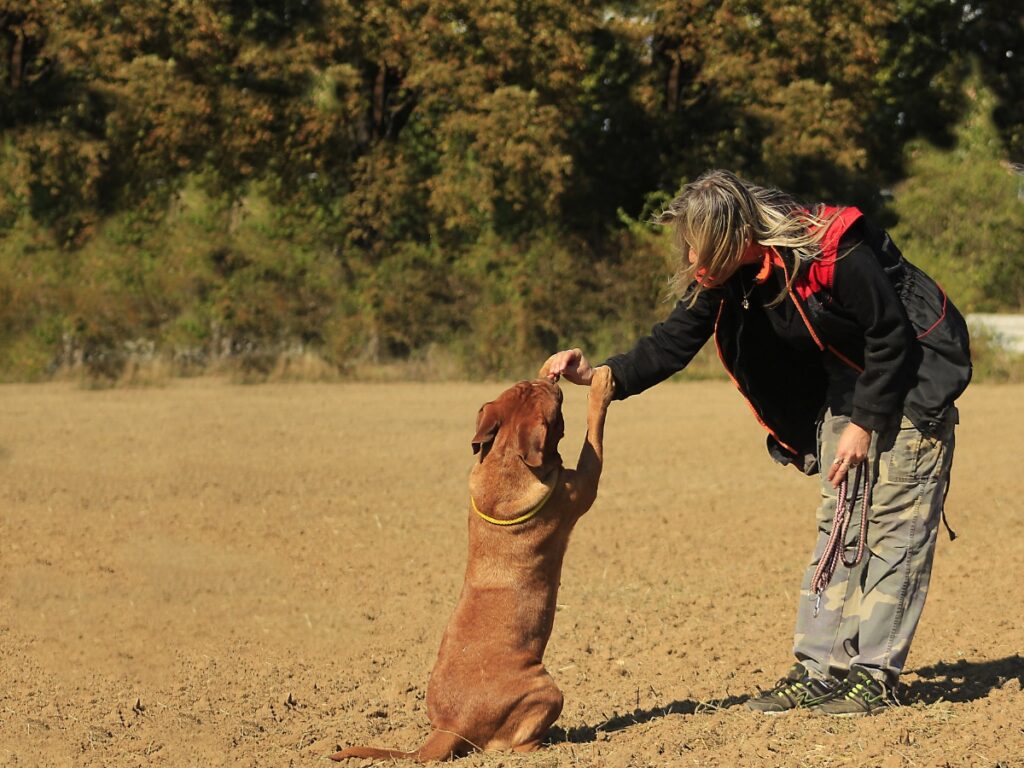
Helping an anxious dog feel more at ease often comes down to consistency and environment. While there is no single solution that works for every dog, combining a few steady approaches tends to produce the best results. The goal is to reduce stress triggers while building a sense of safety and predictability.
Creating a calm environment is one of the most effective starting points. This means limiting sudden noise, maintaining a consistent daily routine, and giving your dog a quiet place to settle. Even small changes, such as dim lighting or reducing background noise, can make a noticeable difference for sensitive dogs.
Gradual exposure to triggers is another important method. Instead of avoiding stressful situations completely, controlled exposure helps dogs adjust at their own pace.
For example, if your dog reacts to loud sounds, introducing those sounds at a low level and slowly increasing them over time can reduce sensitivity. This type of approach is central to behavior modification anxiety, as it focuses on changing the emotional response rather than simply managing the reaction.
Calming products can also support these efforts. Items like anxiety wraps, calming beds, or scent-based tools can reinforce a relaxed state when used alongside training. While these products are not a complete solution on their own, they can complement a structured plan and make progress more consistent.
How Does Behavioral Therapy Help Reduce Dog Anxiety?
Behavioral therapy takes a more structured approach to managing anxiety and is often used when symptoms are persistent or more severe. It focuses on identifying what triggers stress and then gradually reshaping how the dog responds to those situations.
A typical process begins with observing patterns. Once triggers are clear, the next step is to create controlled scenarios where the dog can experience those triggers in a manageable way. Calm behavior is then reinforced through rewards, helping the dog form new associations over time.
This approach works because it builds confidence rather than forcing compliance. Instead of reacting out of fear, the dog learns that the situation is safe. Behavior modification anxiety relies heavily on this type of reinforcement, where small, repeatable successes lead to long-term change.
Consistency is critical here. Training sessions do not need to be long, but they should be regular and predictable. Over time, this steady repetition helps reduce anxiety levels and improve overall behavior in everyday situations.
What Environmental Aids Support Calming Anxious Dogs?
The environment a dog lives in has a direct impact on their stress levels, which is why environmental aids are often used alongside training. These tools are designed to create a more stable and soothing atmosphere, making it easier for dogs to relax.
One of the most effective strategies is setting up a designated safe space. This could be a crate, a bed in a quiet corner, or a specific room where the dog can retreat when feeling overwhelmed. The key is consistency, so the dog begins to associate that space with comfort and security.
Sound management also plays a role. Background noise, such as soft music or white noise, can help mask sudden sounds that might otherwise trigger anxiety. This is especially helpful in busy households or during events like storms or fireworks.
Pheromone diffusers are another commonly used aid. These products release calming signals that mimic natural canine communication, helping some dogs feel more relaxed. When paired with behavior modification anxiety techniques, they can support a more balanced emotional state.
By combining calming techniques, structured behavioral therapy, and supportive environmental changes, you create a more complete approach to managing anxiety. Each element works together to reduce stress and help your dog feel more secure in everyday life.
What Are The Best Dog Anxiety Treatment Options Available?
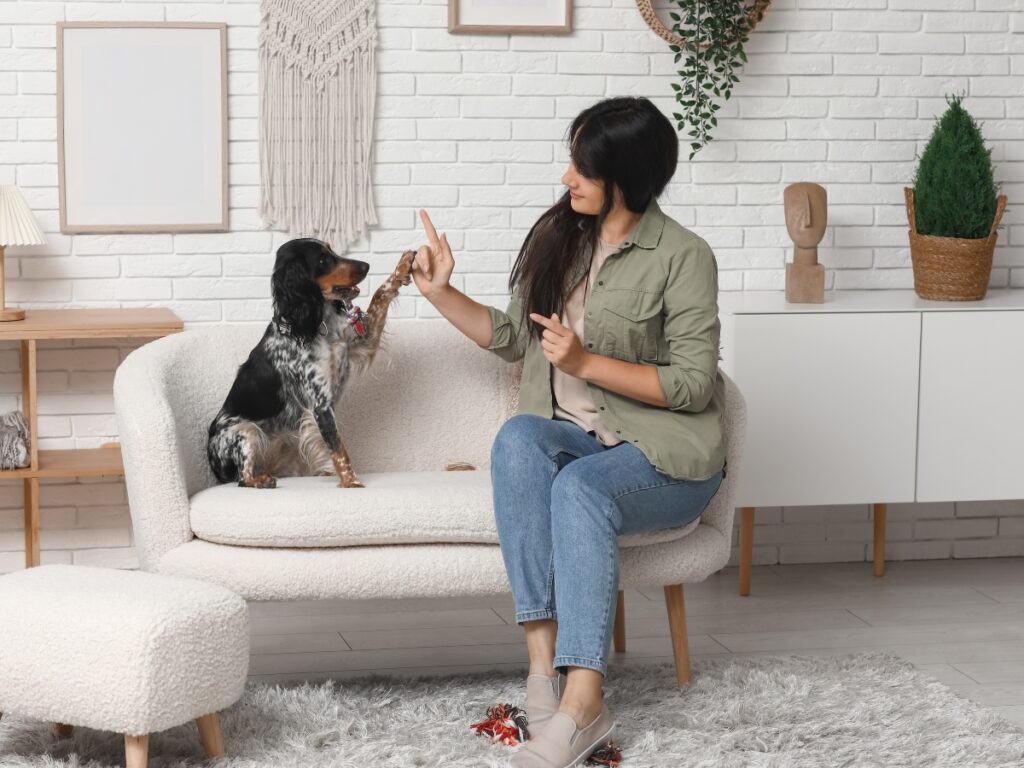
Managing anxiety in dogs often requires a combination of approaches rather than relying on a single solution. The most effective plans take into account the dog’s triggers, temperament, and environment.
Common options include behavioral therapy, medication, and natural remedies, each offering different benefits depending on the situation.
Behavioral therapy is often the foundation of long-term improvement. It focuses on identifying triggers and gradually changing how a dog responds to them.
Medication can be helpful in more severe cases, especially when anxiety interferes with daily life. Natural remedies, on the other hand, are often used for mild to moderate anxiety or as a supplement to other strategies.
Instead of choosing one method in isolation, many owners find success by combining these options. A thoughtful behavior modification anxiety plan often blends training with supportive tools, allowing for steady and sustainable progress.
How Do Medications Compare To Natural Remedies For Dog Anxiety?
Medications and natural remedies both play a role in managing anxiety, but they work in different ways and are suited to different situations.
Prescription medications are typically used when anxiety is intense or persistent. They can help stabilize mood and reduce extreme reactions, making it easier to introduce training techniques.
However, medication is usually not a standalone solution. It is most effective when paired with behavior modification anxiety strategies that address the root cause of stress. Without that training component, improvements may be temporary.
Natural remedies tend to take a gentler approach. Options such as calming supplements, herbal blends, or scent-based products are often used to support relaxation without strong side effects. While they may take longer to show results, they can be a good fit for dogs with milder symptoms or for owners who prefer a more gradual approach.
Choosing between these options depends on your dog’s needs. In many cases, a balanced combination provides the best outcome, allowing for both immediate relief and long-term behavioral change.
When Is Behavioral Therapy Recommended For Fearful Dogs?
Behavioral therapy is especially useful for dogs that show fear-based reactions, including aggression, avoidance, or extreme stress in specific situations. These behaviors are often rooted in learned responses, which means they can be reshaped with the right approach.
This type of therapy focuses on controlled exposure and positive reinforcement. The idea is to introduce triggers at a manageable level, reward calm behavior, and slowly build tolerance over time. Consistency is key, as repeated positive experiences help replace fear with confidence.
Behavior modification anxiety plays a central role here because it targets the underlying emotional response. Rather than suppressing behavior, it teaches the dog how to respond differently. This leads to more reliable and lasting results, especially when training is applied consistently in everyday situations.
How Can Natural Remedies Help Manage Dog Anxiety?
Natural remedies can support anxiety management by promoting relaxation and reducing overall stress levels. While they may not be as immediate as medication, they are often easier to integrate into a daily routine and can complement other training efforts.
Common options include calming treats, herbal supplements, and environmental aids that create a more soothing atmosphere. These tools are most effective when used alongside behavior modification anxiety techniques, as they help reinforce a calmer baseline while training addresses specific triggers.
Some remedies are designed to work gradually, building their effects over time. This makes them particularly useful for ongoing anxiety rather than sudden or severe episodes. With consistent use, they can help create a more stable emotional state for your dog.
Which Supplements Are Proven To Calm Anxious Dogs?
Certain supplements have gained attention for their ability to support calm behavior in dogs. While results can vary, several options are commonly used as part of a broader anxiety management plan.
Examples include:
- L-theanine, an amino acid that promotes relaxation without causing drowsiness
- Valerian root, a plant-based option often used for its calming properties
- CBD oil, which some owners use to help reduce stress and improve overall mood
These supplements are not meant to replace structured training, but they can enhance the effects of a well-planned behavior modification anxiety approach. As with any supplement, it is important to consider your dog’s individual needs and monitor how they respond over time.
By combining the right treatments with consistent training, you can create a balanced strategy that supports both immediate comfort and long-term improvement.
What Are The Benefits Of Calming Collars And Wearable Devices?
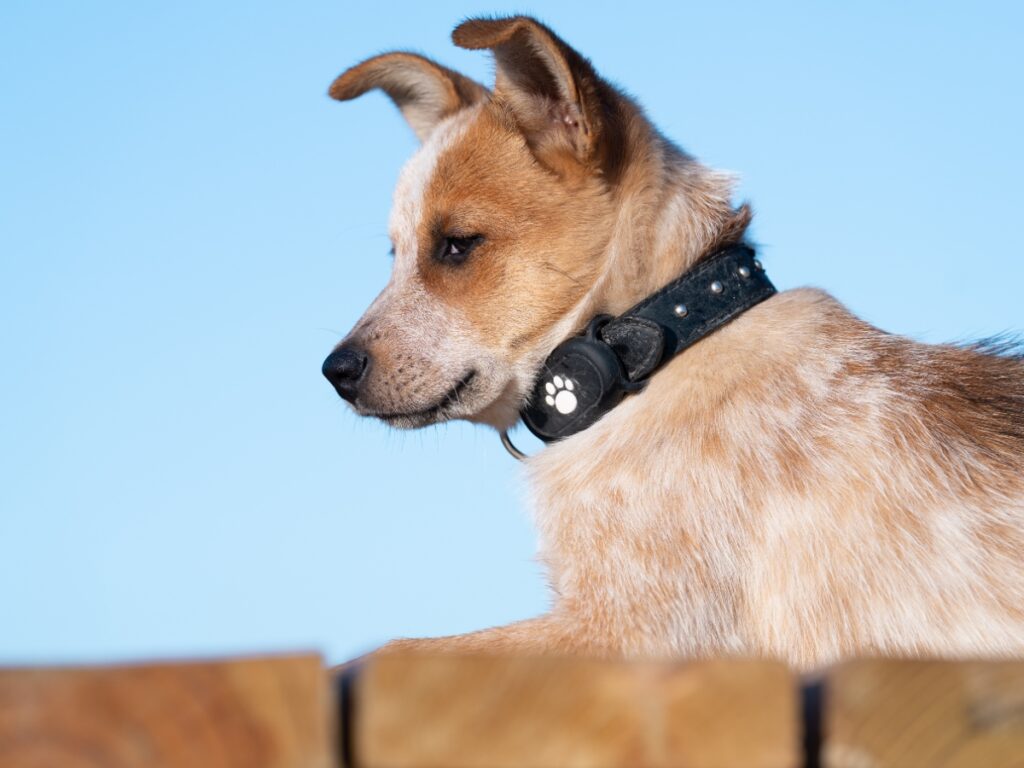
Calming collars and wearable devices have become a popular addition to anxiety management plans for dogs, especially for owners looking for simple, low-effort support tools. These products are designed to provide steady, background relief rather than immediate correction, which makes them a useful complement to more structured approaches.
Most calming collars work by releasing synthetic pheromones that mimic the signals dogs naturally produce to feel safe and secure.
These scents are not noticeable to humans, but they can help reduce tension in dogs when used consistently. Wearable devices such as anxiety wraps or pressure vests take a different approach. They apply gentle, even pressure around the body, which can have a calming effect similar to swaddling.
While results can vary, many owners notice that these tools help reduce restlessness, pacing, or mild stress behaviors. They are particularly useful in predictable situations such as travel, storms, or time spent alone.
However, it is important to view them as part of a broader plan rather than a standalone fix. Behavior modification anxiety strategies remain essential for addressing the root causes of stress.
How Do Calming Devices Support Behavior Modification Anxiety?
Calming devices are most effective when they are used alongside training rather than in place of it. By lowering a dog’s baseline stress level, these tools make it easier for the dog to respond to training and adapt to new experiences. This creates a more stable starting point for behavior modification anxiety work.
For example, a dog that is slightly less anxious may be more receptive during desensitization exercises. Instead of reacting immediately to a trigger, the dog has a better chance of staying calm long enough to learn a new response. Over time, this can speed up progress and make training sessions more productive.
Consistency is key when using these products. Wearing a collar or device regularly allows the calming effect to build gradually, which supports long-term improvement. When paired with routines, safe spaces, and reinforcement of calm behavior, these tools become part of a more complete strategy.
When Should You Use Calming Collars Or Wearable Devices?
Calming collars and wearable devices are often most helpful in situations where anxiety is predictable or recurring. They can be introduced during times when your dog is likely to feel stressed, helping to reduce the intensity of their reaction.
Common scenarios where these tools may be useful include:
- Being left alone for short periods
- Exposure to loud noises such as fireworks or thunderstorms
- Travel or unfamiliar environments
- Visits to the vet or groomer
Introducing the device in a calm setting can help your dog adjust more easily. If the first experience happens during a stressful event, the dog may associate the device with discomfort rather than relief. A gradual introduction helps build a positive connection.
Are Calming Devices Enough On Their Own?
While calming collars and wearable devices can be helpful, they are rarely enough on their own for long-term change. They do not teach new behaviors or address the underlying cause of anxiety. Instead, they support the process by making dogs more comfortable and receptive.
Behavior modification anxiety remains the most reliable way to create lasting improvement. Training helps dogs build confidence, learn coping skills, and respond differently to stress over time. When calming devices are used alongside these efforts, they can enhance progress without replacing the need for structured work.
A balanced approach that combines training, environmental adjustments, and supportive tools tends to produce the best results. By using calming collars and wearable devices as part of a broader plan, you give your dog the best chance to feel secure and adapt more easily to everyday situations.
How To Manage Fearful Dog Behavior Effectively?
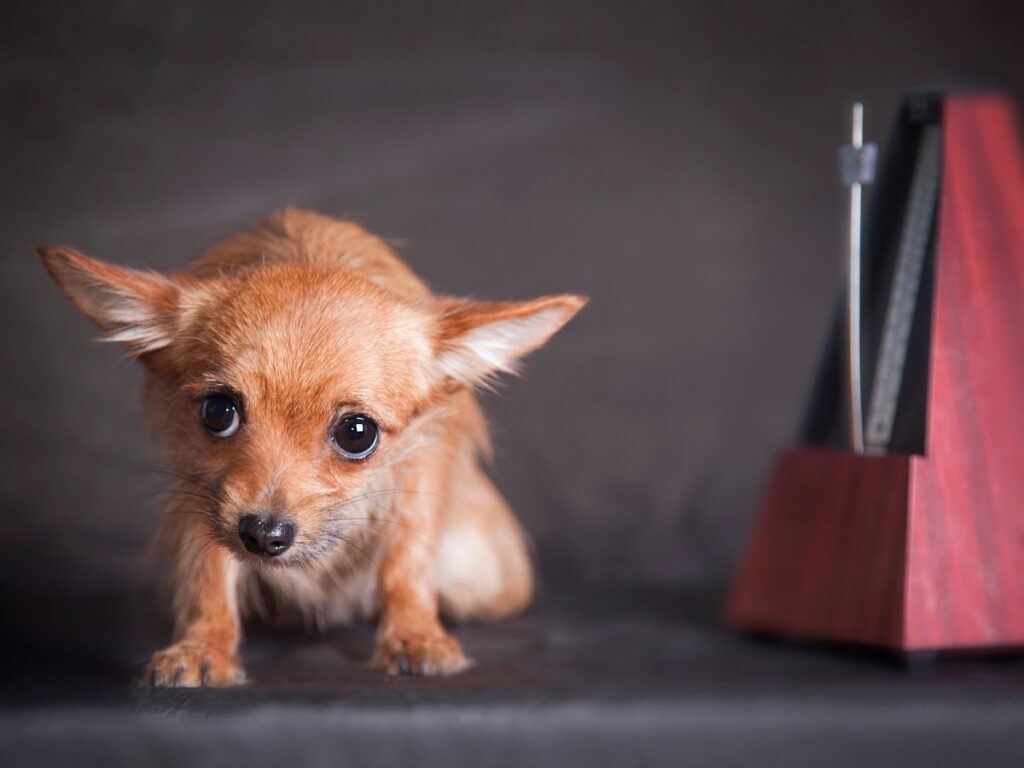
Managing fearful behavior in dogs takes patience and a clear understanding of what is causing the stress. Fear does not appear without reason, so the first step is to observe patterns and identify triggers.
These may include loud noises, unfamiliar people, or changes in routine. Once you recognize what sets your dog off, it becomes easier to respond in a way that reduces stress instead of adding to it.
A consistent environment is one of the most effective ways to support a fearful dog. Predictable routines for feeding, walks, and rest help create a sense of stability.
Dogs that know what to expect are generally more relaxed, which makes it easier to introduce new experiences gradually. This is where behavior modification anxiety becomes especially useful, as it focuses on building confidence over time rather than forcing immediate change.
Creating a safe space also plays a key role. This should be an area where your dog can retreat without being disturbed. Over time, this space becomes associated with calm and security, which helps reduce overall anxiety levels. When combined with steady routines and controlled exposure to triggers, these adjustments form the foundation of a more balanced approach.
What Training Techniques Prevent Anxiety In Dogs?
Training is one of the most reliable ways to prevent anxiety from developing or worsening. When done consistently, it teaches dogs how to respond to unfamiliar situations without becoming overwhelmed. The goal is not just obedience, but confidence.
Positive reinforcement is a central technique. Rewarding calm behavior encourages dogs to repeat those responses in future situations.
This approach shifts the focus away from fear and toward something predictable and rewarding. Over time, it helps reshape how the dog reacts to stress.
Socialization is another important factor. Gradual exposure to different environments, people, and experiences helps dogs build tolerance and adaptability. The key is to keep these exposures controlled and positive, so the dog does not feel pressured. When handled correctly, socialization reduces the likelihood of fear-based reactions later on.
Routine also supports prevention. A dog that follows a consistent daily structure is less likely to become anxious when small changes occur. Behavior modification anxiety techniques often rely on this predictability, as it creates a stable base for learning and adjustment.
How To Address Fear Aggression In Anxious Dogs?
Fear aggression can be one of the more challenging behaviors to manage, but it is often rooted in the same underlying issue as general anxiety. Dogs that feel threatened may react defensively, which can appear as growling, barking, or snapping. Addressing this requires a calm and structured approach.
The first step is identifying what triggers the aggressive response. Once those triggers are clear, you can begin controlled exposure in a way that feels safe for the dog. This might involve increasing the distance from the trigger or introducing it in a less intense form. The goal is to prevent the dog from reaching a point where they feel the need to react aggressively.
Reinforcing calm behavior is essential throughout this process. When the dog remains relaxed in the presence of a trigger, even briefly, that response should be rewarded. Over time, these small successes build into more stable behavior patterns.
It is also important to avoid punishment. Fear-based behaviors do not improve with correction, and harsh responses can increase anxiety. Behavior modification anxiety focuses on changing the emotional response first, which naturally reduces aggressive reactions.
With consistent training, a supportive environment, and careful attention to triggers, fearful and aggressive behaviors can become more manageable. Progress may take time, but a steady approach leads to more reliable and lasting results.
What Preventative Measures Reduce The Risk Of Dog Anxiety?
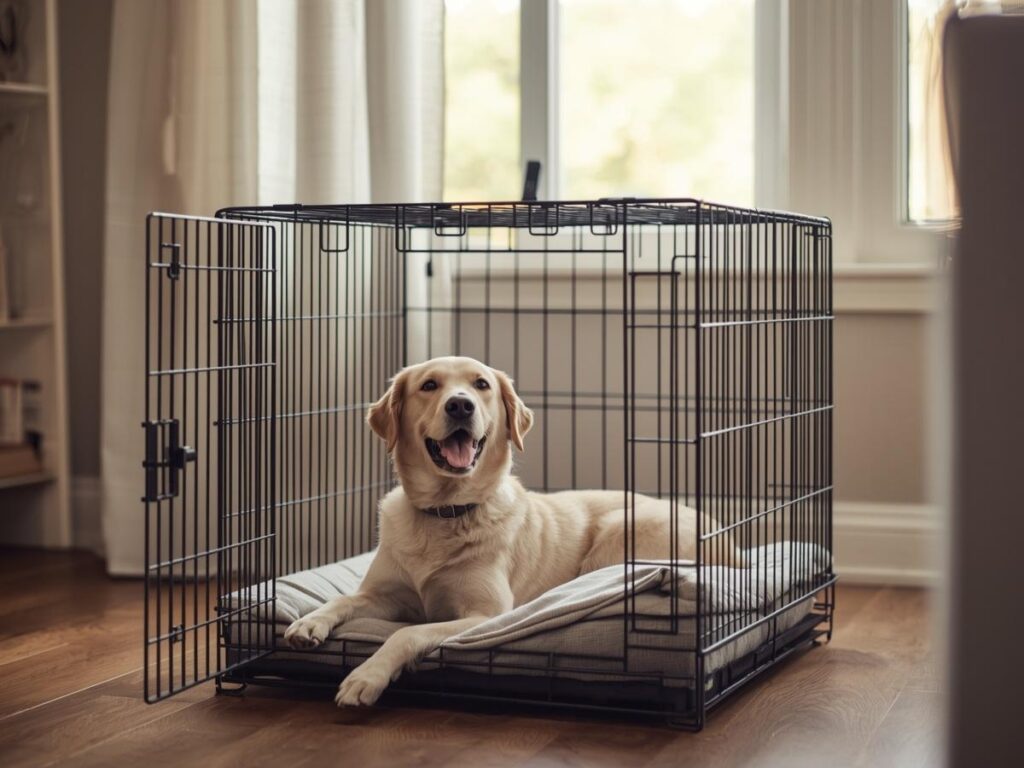
Preventing anxiety in dogs often comes down to consistency, awareness, and early intervention. Dogs that feel secure in their environment are less likely to develop stress-related behaviors, which makes prevention just as important as treatment. Small, everyday habits can have a lasting impact on how a dog responds to change, noise, and unfamiliar situations.
One of the most effective preventative steps is learning to recognize early signs of stress. Subtle behaviors such as restlessness, avoidance, or changes in appetite can indicate that a dog is becoming overwhelmed. Addressing these signs early allows you to adjust the environment or routine before anxiety becomes more established.
Environmental stability also plays a major role. Dogs benefit from predictable schedules, including regular feeding times, walks, and rest periods.
When daily life follows a consistent pattern, dogs are less likely to feel uncertain or reactive. Behavior modification anxiety strategies often rely on this kind of structure because it creates a reliable foundation for learning and adjustment.
Gradual exposure to new experiences is another important measure. Introducing new people, sounds, and environments in a controlled way helps dogs build confidence. Instead of avoiding potential triggers entirely, careful exposure teaches dogs that these situations are manageable. Over time, this reduces the likelihood of fear-based responses.
How Does Crate Training Support Anxiety Prevention?
Crate training can be a valuable tool when it is introduced properly and used as part of a broader routine. Rather than being seen as confinement, the crate should become a space where the dog feels calm and secure. This shift in perception is what makes crate training useful for preventing anxiety.
The process begins with a gradual introduction. Allowing the dog to explore the crate at their own pace helps build a positive association.
Placing familiar items such as bedding or toys inside can make the space feel more inviting. Over time, short periods in the crate can be extended, always keeping the experience calm and low-pressure.
Routine is essential for success. Using the crate at consistent times, such as during rest periods or when the household is quiet, reinforces the idea that it is a safe place.
When done correctly, crate training supports behavior modification anxiety efforts by giving the dog a reliable retreat during stressful moments.
It is important to avoid using the crate as a form of punishment. Doing so can create negative associations that increase anxiety rather than reduce it. Instead, the crate should remain a neutral or positive space that the dog can choose to enter when they need comfort.
How Do Training And Environment Work Together To Prevent Anxiety?
Training and environment are closely connected when it comes to preventing anxiety. A stable environment makes training more effective, while consistent training helps dogs navigate that environment with confidence. When both elements are aligned, dogs are better equipped to handle stress.
Positive reinforcement is a key part of this process. Rewarding calm behavior encourages dogs to repeat those responses, gradually shaping how they react to new situations. This approach supports behavior modification anxiety by focusing on building trust rather than correcting fear.
At the same time, the environment should support these efforts. Reducing sudden noise, providing a quiet resting area, and maintaining a predictable routine all contribute to a calmer baseline. When dogs feel secure at home, they are more open to learning and adapting.
Preventing anxiety is not about eliminating every possible stressor. Instead, it is about preparing your dog to handle those moments with confidence. By combining early awareness, steady routines, and thoughtful training, you create a balanced approach that supports long-term emotional stability.
What Role Does Early Socialization Play In Reducing Anxiety?
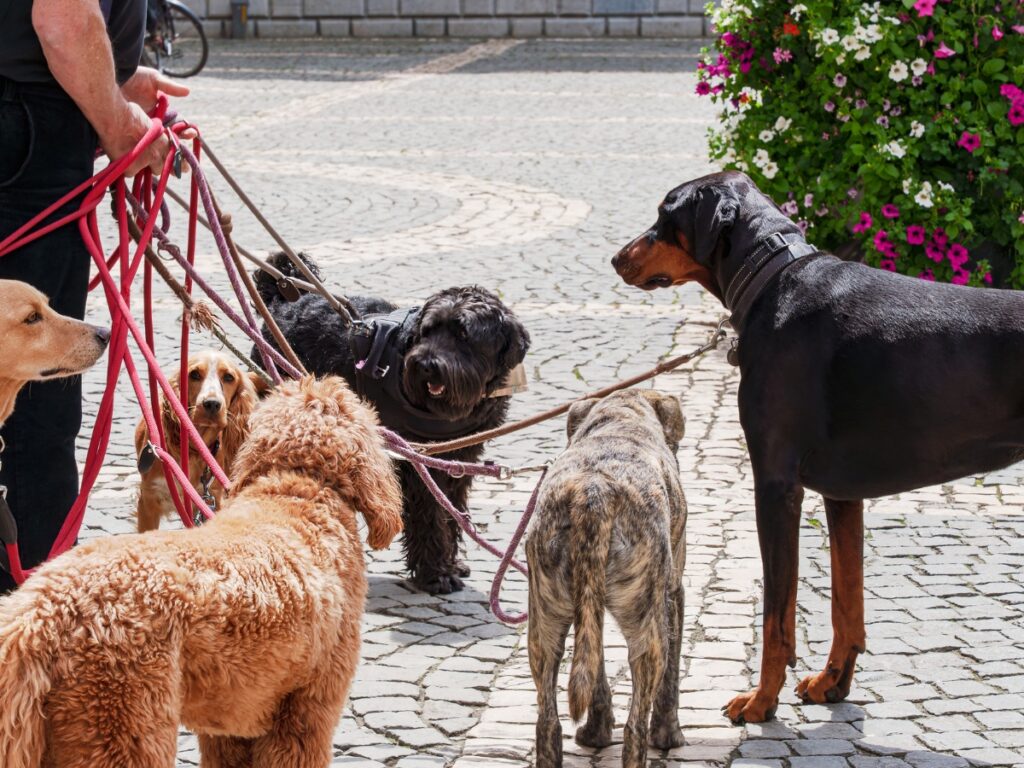
Early socialization plays a major role in shaping how a dog responds to the world around them. Dogs that are introduced to different environments, people, and animals at a young age are generally more adaptable and less reactive as they grow. This early exposure helps prevent fear from becoming a default response, which is a key factor in long-term emotional stability.
During the early stages of development, dogs are more open to new experiences. Positive interactions during this period can create lasting associations that carry into adulthood.
For example, a puppy that calmly meets new people and hears different sounds in a controlled setting is less likely to react with fear later on. This foundation makes behavior modification anxiety strategies easier to apply if challenges arise in the future.
It is important to approach socialization gradually. Overwhelming a young dog with too many new experiences at once can have the opposite effect and increase stress.
Instead, exposure should be steady and controlled, allowing the dog to process each experience without pressure. Keeping interactions positive and rewarding helps reinforce a sense of safety.
How To Socialize Puppies Without Increasing Stress
Effective socialization is not about quantity, but about quality. The goal is to introduce new experiences in a way that builds confidence rather than triggering fear. Paying attention to your dog’s reactions is essential, as it allows you to adjust the pace when needed.
Start with low-intensity situations and gradually build from there. For example, begin with quiet environments or familiar people before introducing busier settings.
As your dog becomes more comfortable, you can slowly increase the level of stimulation. This step-by-step approach supports behavior modification anxiety by teaching dogs that new experiences can be managed without distress.
Consistency also matters. Short, regular exposures are more effective than occasional intense ones. Keeping sessions brief and ending on a positive note helps reinforce calm behavior. Over time, these repeated experiences shape how your dog interprets unfamiliar situations.
Why Positive Experiences Matter In Early Development
The quality of each experience during socialization has a lasting impact. Positive interactions help build trust and confidence, while negative experiences can lead to avoidance or fear-based responses. This is why it is important to create situations where your dog can succeed rather than feel overwhelmed.
Rewarding calm behavior is one of the simplest ways to reinforce positive associations. When a dog remains relaxed in a new environment, acknowledging that behavior helps strengthen it.
This process aligns closely with behavior modification anxiety techniques, where small, consistent successes lead to meaningful change over time.
It is also helpful to maintain a calm presence as an owner. Dogs often take cues from their surroundings, and a steady, relaxed approach can influence how they respond. By guiding experiences rather than forcing them, you create an environment where learning happens naturally.
How Early Socialization Supports Long-Term Behavior
Dogs that are properly socialized early in life tend to handle change more effectively as they mature. They are less likely to react strongly to unfamiliar situations because they have already learned how to process new experiences in a controlled way. This reduces the likelihood of anxiety developing later on.
Early socialization does not eliminate the need for training, but it makes future efforts more effective. Dogs with a strong foundation are more receptive to guidance and adapt more quickly when faced with challenges. Behavior modification anxiety becomes more manageable because the dog already has a baseline level of confidence.
By focusing on gradual exposure, positive reinforcement, and consistency, early socialization becomes one of the most effective ways to prevent anxiety. It sets the tone for how a dog interacts with the world, creating a more balanced and confident companion over time.
What Are Frequently Asked Questions About Reducing Anxiety In Dogs?
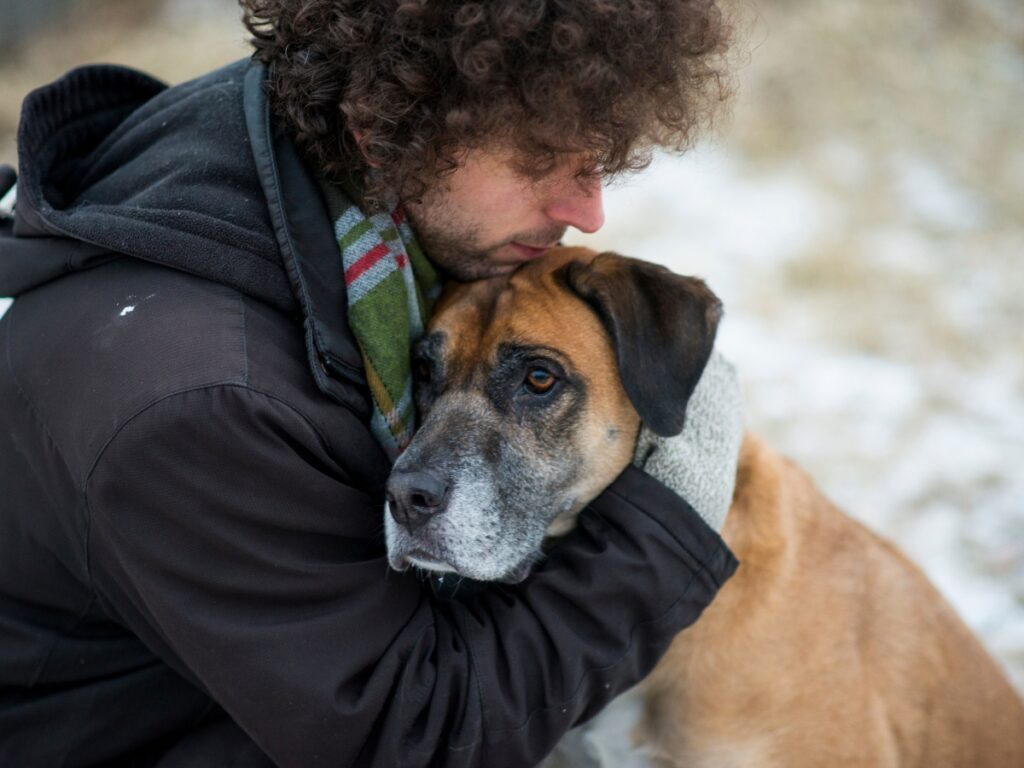
Many dog owners want clear, practical answers when it comes to managing anxiety. Questions often focus on what causes the behavior, which treatments work best, and how to tell if progress is being made.
Understanding these basics makes it easier to apply behavior modification anxiety strategies in a way that feels consistent and effective.
Anxiety in dogs is rarely caused by a single factor. It often develops through a combination of environment, past experiences, and temperament.
Because of that, managing it usually requires a mix of approaches rather than a single solution. The sections below break down the most common questions in a way that helps guide decision making over time.
What Causes Separation Anxiety In Dogs?
Separation anxiety can develop for several reasons, and it often builds gradually rather than appearing all at once. Changes in routine are a common trigger.
Moving to a new home, shifts in work schedules, or even a change in household members can disrupt a dog’s sense of stability.
Past experiences also play a role. Dogs that have been rehomed or left alone for long periods in the past may be more sensitive to separation. In some cases, certain breeds or individual temperaments are simply more prone to attachment and stress when left alone.
Recognizing these factors helps shape a more effective behavior modification anxiety plan. When you understand the cause, it becomes easier to create a routine and environment that reduces stress rather than reinforcing it.
Can Natural Remedies Replace Medication For Dog Anxiety?
Natural remedies can be helpful, but they do not always replace medication. Their effectiveness depends on the severity of the anxiety and how the dog responds to treatment.
For mild cases, natural options such as calming supplements or environmental adjustments may provide enough support on their own.
For more intense anxiety, medication may be necessary to stabilize behavior before training can take effect. In these situations, natural remedies can still be used alongside medication to support relaxation and consistency.
Behavior modification anxiety works best when the dog is calm enough to learn, and sometimes that requires a combination of methods.
Rather than choosing one approach over another, many owners find that a balanced strategy produces better results. This allows for both immediate relief and long-term improvement.
How To Monitor And Measure Progress In Reducing Dog Anxiety?
Tracking progress is an important part of any anxiety management plan. Without clear observation, it is difficult to know whether your approach is working or needs adjustment. Progress often shows up in small changes rather than dramatic shifts.
Look for patterns in behavior over time. A dog that settles more quickly, reacts less intensely, or recovers faster after a stressful event is showing improvement. Keeping simple notes can help you see these changes more clearly.
Behavior modification anxiety depends on consistency, so gradual progress is expected. Instead of looking for quick results, focus on steady improvement across different situations.
Which Key Indicators Show Anxiety Improvement?
There are several practical ways to gauge whether anxiety is improving. These indicators help provide a clearer picture of how your dog is responding to your approach.
- Reduced frequency of anxious behaviors such as barking or pacing
- Shorter recovery time after exposure to triggers
- Increased ability to remain calm in familiar situations
- Greater willingness to engage in normal activities
These signs suggest that your dog is becoming more comfortable and confident. While progress may vary, consistent improvement across these areas indicates that your behavior modification anxiety efforts are moving in the right direction.
How Often Should Dog Anxiety Treatment Plans Be Updated?
Anxiety management is not a one-time process. As your dog improves, their needs may change, and your approach should adjust with them. Regular evaluation helps ensure that your plan remains effective and relevant.
Updates do not need to be constant, but they should happen whenever you notice shifts in behavior. This could mean adjusting training intensity, introducing new challenges, or simplifying routines if your dog becomes overwhelmed.
Behavior modification anxiety is most effective when it evolves alongside your dog’s progress. By staying attentive and flexible, you can maintain steady improvement while avoiding setbacks.
Taking the time to understand these common questions helps create a more informed and balanced approach. With consistent effort and thoughtful adjustments, most dogs can develop healthier responses to stress over time.
Conclusion
Understanding the root causes of your dog’s anxiety—whether from past trauma, lack of socialization, or even underlying medical issues—is the first step toward helping them feel safe and secure.
Ready to help your anxious dog find calm and confidence? Contact OTCK9 Academy today at (770) 874-6454 or fill out our website form with any questions.
Our certified professionals understand that every dog is unique, and we’re here to help you build a customized plan that brings out the best in your furry family member.