Choosing between board and train programs and in-home dog training is a significant decision that depends on your dog’s unique needs, your lifestyle, and your specific training goals. While board and train offers intensive, immersive learning in a controlled environment, in-home training focuses on modifying behavior within the context of your daily life and home setting.
This guide breaks down the pros, cons, and ideal scenarios for each method, helping you select the right approach to build a stronger bond with your dog and achieve lasting, positive results.
What “Board And Train” Means

When people compare board and train vs in-home training, it helps to start with a clear definition. Board and train is a program where your dog stays with a professional trainer for a set period of time, often between one and four weeks.
During that stay, the trainer works on obedience, manners, and specific behavior goals through a structured daily routine. Because training happens consistently every day, board and train is often positioned as a faster, more immersive option than weekly lessons.
That said, it is not a magic reset. A good board and train program focuses on building skills the dog can eventually use with you, not just with the trainer. The best outcomes usually come from programs that include owner education and a clear plan for transitioning the dog back into normal life at home.
What Board And Train Typically Includes
Most board and train programs combine daily training repetitions with predictable routines. Dogs usually practice core obedience like sit, down, place, come, and leash walking, along with household manners such as waiting at doors, staying calm around visitors, and settling in a crate or designated spot.
Many programs also address behavior challenges like jumping, pulling on leash, barking, or mild reactivity, depending on what the trainer offers and what the dog needs.
Because the dog is living in a controlled training environment, the trainer can manage the day in a way that supports learning. Feeding, potty breaks, rest, and structured activity are usually scheduled consistently. This consistency often reduces random reinforcement of unwanted habits and helps the dog understand what is expected.
Most reputable programs also include a transfer lesson or lesson series when the dog goes home. That step matters because the dog needs to learn how to respond to you, not just to a professional trainer in a different setting.
Pros Of Board And Train
One reason board and train is popular in the board and train vs in-home training conversation is momentum. Dogs can make quick progress when they practice the same skills daily and receive consistent feedback. Repetition builds clarity, and structure can help many dogs settle into new routines faster.
Board and train can also be a good fit for owners with demanding schedules who have trouble staying consistent. Instead of trying to train in small windows of time, the dog receives concentrated work in a setting built for training. For foundational skills, that can create a strong starting point.
In some cases, it can also help with behavior patterns that improve with consistent boundaries and predictable routines. While not every issue can be solved away from home, the structure of a professional environment can be helpful for building new habits.
Cons Of Board And Train
The biggest limitation is generalization. Even if a dog performs perfectly with the trainer, that does not automatically carry over to your living room, your neighborhood, or your daily routine. Dogs learn in context, which means skills often need to be practiced again at home to become reliable.
This is where many people misunderstand board and train. The training is not complete at pickup. It is the beginning of a new routine that still needs follow-through.
Owner consistency is also non-negotiable. If household rules change, cues are used differently, or boundaries are not maintained, results can fade quickly. A good program teaches the owner just as much as it teaches the dog.
Finally, board and train is not the best choice for every dog. Dogs with significant separation stress, very sensitive temperaments, or medical needs may struggle with the change in environment.
In those cases, in-home training may be a better fit, which is why the decision between board and train vs in- home training should always consider the dog’s personality, not just the owner’s schedule.
What “In-Home Training” Means

When comparing board and train vs in-home training, in-home training is the option that keeps everything rooted in your daily life. It is private coaching where a trainer works with you and your dog in your home and often in your neighborhood as well.
Instead of practicing skills in a facility or unfamiliar setting, training happens where behavior actually shows up, like at the front door when someone arrives, in the kitchen during meal prep, or on the same walking route where your dog tends to pull or react.
Because the work happens in real time and in real places, in-home training is often focused on practical improvements that make everyday life easier. The trainer is not only teaching the dog. They are also teaching the owner how to communicate clearly, manage situations before they escalate, and reinforce the behaviors they want to see more often.
What In-Home Training Typically Includes
Most in-home programs are built around recurring sessions, commonly weekly or every other week. Sessions often run between forty-five and ninety minutes depending on the trainer, the dog, and the goals. The structure usually includes hands-on coaching, skill practice, and a plan for what to work on between visits.
A major part of in-home training is owner handling skills. Timing, leash technique, reward placement, and consistency matter, and in-home coaching gives you a chance to practice with feedback.
Many trainers also guide you through real-life scenarios that are hard to replicate in a facility, like managing doorbell excitement, greetings with guests, leash behavior in your neighborhood, counter surfing, or settling calmly while the family is home.
Between sessions, most programs include homework. That is where much of the progress happens. The trainer sets a plan, and the household practices in short, realistic sessions throughout the week so the dog learns that the rules apply every day, not only when the trainer is present.
Pros Of In-Home Training
One of the biggest benefits in the board and train vs in-home training decision is that in-home training targets your actual environment. A dog can be perfectly behaved in a training room and still struggle at home, where routines, distractions, and habits are different.
In-home sessions allow the trainer to see what is really happening and adjust the plan to fit your space, your schedule, and your household dynamics.
In-home training is also strong for household manners. If your main goals involve calm greetings, doorway behavior, crate routines, boundary setting, or daily structure, working at home makes those lessons more direct and more relevant. The owner also gains confidence faster because you are practicing the skills you need, not just watching someone else do them.
Many dogs are also less stressed when they can stay in their normal environment. For dogs that struggle with change, have medical needs, or get anxious away from home, in-home training can be a better fit because learning happens without the added pressure of a new setting.
Cons Of In-Home Training
The main tradeoff is time. In-home training often takes longer because progress depends on what happens between sessions.
If the household is consistent, results can be strong and lasting. If practice is sporadic, progress slows down. This is why in-home training is best for owners who are willing to do the homework and follow the plan.
It can also be more challenging for dogs that are overwhelmed by real-world distractions. In some cases, a dog benefits from learning basics in a calmer setting before practicing in high-distraction situations.
That does not make in-home training ineffective. It simply means the trainer may need to build up gradually and focus on management strategies while the dog learns new skills.
For many households, in-home training works well because it matches real life. In the board and train vs in- home training comparison, it is often the better option when the goal is lasting behavior change inside the routines the dog lives in every day.
Board And Train Vs In-Home Training: The Key Differences

When comparing board and train vs in-home training, the biggest difference is simple: who is doing most of the day-to-day practice. Both options can be effective, but they work in different ways.
One puts the early training reps in a professional setting, while the other builds skills inside your real routines from the start. Understanding how each approach works helps you choose the option that fits your schedule, your dog, and the behaviors you want to improve.
Time Commitment And Owner Involvement
With board and train, the trainer handles the bulk of the daily repetition. Your dog practices skills every day in a structured environment, and you typically step in near the end to learn how to maintain the results.
This can be helpful for busy owners who want a strong jump start. The tradeoff is that follow-through still matters once the dog comes home. If household rules are inconsistent, progress can fade.
With in-home training, the trainer coaches you, but you do most of the practice between sessions. That means the results are built through your consistency. This option is often a better fit for owners who want hands-on guidance and are willing to practice several times a week in short, realistic sessions.
Speed Of Progress
Board and train often shows faster early progress because the dog is getting consistent training every day. That daily repetition can build momentum quickly, especially for basic obedience and leash skills. In the board and train vs in-home training comparison, this is one of the main reasons people choose board and train.
In-home training can feel more gradual, but it tends to build strong habits in context. Because you are practicing in the real world, the dog learns how to respond around your distractions, your routines, and your household patterns. Many owners also feel more confident with in-home training because they learn the handling skills as the dog learns.
Where The Behavior Is Learned
Board and train builds skills in the trainer’s environment first, then focuses on transferring them to your home. Some dogs transition smoothly, while others need extra practice to generalize skills, meaning they can perform at home the same way they did with the trainer.
In-home training teaches the skills where you need them most, from day one. If your biggest challenges happen at the front door, in the kitchen, or on neighborhood walks, in-home training addresses those situations directly instead of hoping the skills carry over later.
Best-Fit Behavior Goals
Board and train is often a good fit for foundational obedience, leash manners, and building structure quickly. It can also help dogs who benefit from a predictable routine and clear boundaries early on.
In-home training is typically better for household manners, family involvement, and behaviors tied closely to the home environment, like greeting guests, barking at triggers, or counter surfing. When choosing board and train vs in-home training, the best option is usually the one that matches where the problem happens and who has the time to practice it consistently.
Which Option Is Best For Common Dog Training Goals?
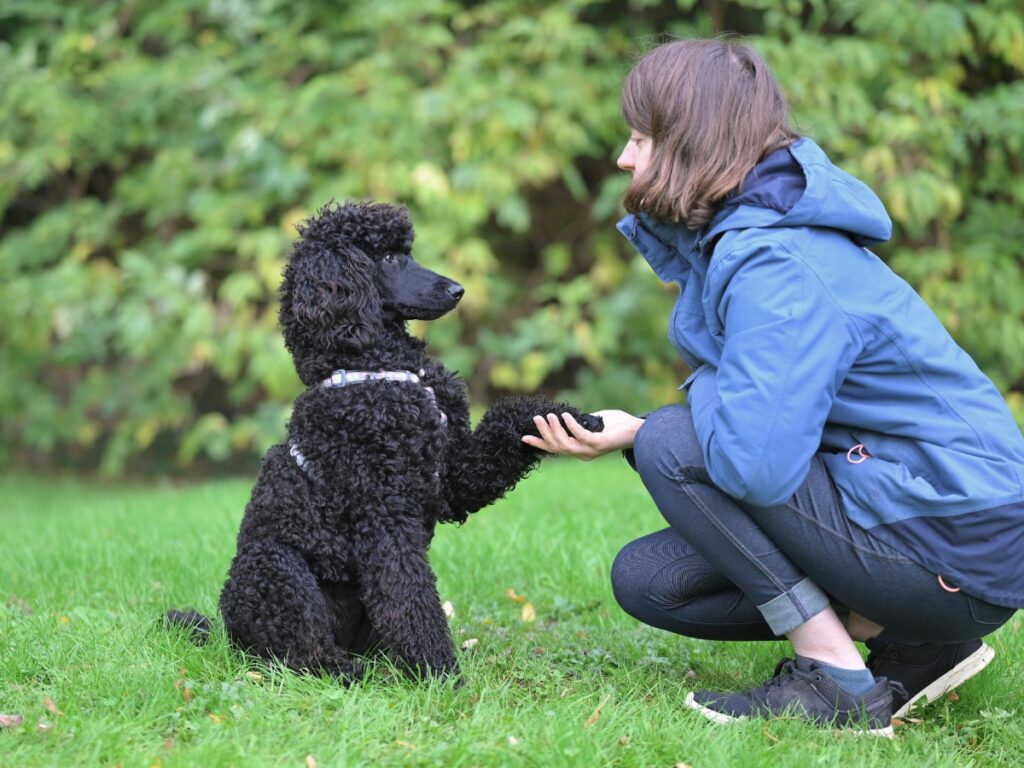
When deciding between board and train vs in-home training, it helps to think in terms of outcomes, not hype. Both approaches can work, but they tend to shine in different situations. The “best” option is usually the one that matches your dog’s needs and the amount of time you can realistically spend practicing skills at home.
Basic Obedience And Everyday Manners
For basics like sit, down, place, recall, and polite house behavior, both training styles can be effective. Board and train is often a strong fit for busy owners who want a jump start with consistent daily practice.
In-home training is often better for hands-on owners who want to learn the handling skills themselves and build habits inside their normal routine. In the board and train vs in-home training conversation, obedience is usually less about which method is “better” and more about which one you can support long term.
Leash Pulling And Walk Etiquette
Board and train can create a solid leash foundation quickly because the dog practices structured walking every day. That can be helpful if your main issue is basic pulling, stopping, and general leash manners.
In-home training can be the better choice if pulling is tied to specific triggers in your neighborhood, such as other dogs, squirrels, busy sidewalks, or the way your dog behaves near your driveway and front door. If the problem is context-based, working in the real environment often speeds up reliability.
Jumping On Guests And Door Manners
Doorway behavior is one area where in-home training often wins. Greeting problems usually involve household patterns, like how the door is opened, how people enter, and what the dog has learned gets attention.
In-home sessions let a trainer coach the full routine, including management steps, timing, and what each family member should do for consistency. Board and train can help build impulse control, but it still needs to be applied at your actual front door to stick.
Reactivity Toward Dogs Or People
Reactivity sits in the middle of the board and train vs in-home training decision because it depends on severity and triggers. Some dogs benefit from the structure of board and train to build core skills like focus, leash handling, and calm routines.
Many still need follow-up in-home work to practice around real-life triggers in the places where reactions happen. For mild reactivity, in-home training may be enough on its own. For more intense behavior, a combined approach can work well when it is handled carefully and progressively.
Potty Training, Crate Training, And Anxiety-Related Behaviors
Potty training and crate routines are usually easiest to build at home because success depends on your schedule, your layout, and your consistency. Board and train can introduce structure, but the habits still need to be reinforced in your own environment.
Anxiety-related behavior depends on the cause. Dogs with separation distress or significant stress away from their owners often do better starting with in-home support. In these cases, the “right” answer in the board and train vs in-home training comparison is the option that keeps the dog stable while building practical routines that the household can maintain.
Cost Considerations: Why Prices Vary
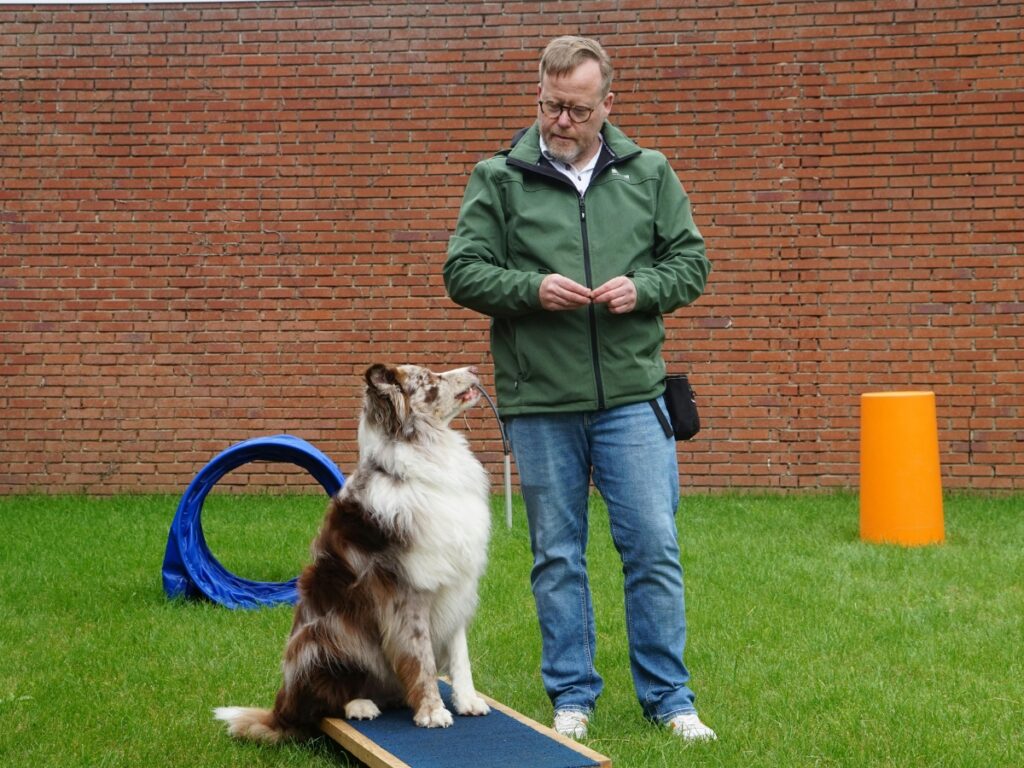
When people compare board and train vs in-home training, price is often the first thing they look at. That makes sense, but cost alone rarely tells the full story.
Training programs can look similar on the surface while offering very different levels of professional time, support, and follow-through. A better way to evaluate pricing is to ask what is included and how that setup affects your odds of getting lasting results.
In general, both options can range widely depending on the trainer’s experience, the length of the program, and the type of behavior being addressed. Basic obedience tends to be priced differently than behavior modification, and packages that include follow-up support often cost more for a reason.
In the board and train vs in-home training decision, the most useful question is not “Which one is cheaper?” but “What am I actually paying for, and what will I need to do after the program ends?”
Why Board And Train Is Often More Expensive
Board and train programs usually cost more because they include more than training. Your dog is staying with the trainer, which means the price often covers lodging, daily care, scheduled routines, and a high volume of training reps.
The immersion is part of the value. Your dog is practicing skills every day with professional handling, and that consistent repetition can build momentum quickly.
Another reason pricing rises is the level of responsibility involved. When a dog stays with a trainer, the trainer is managing feeding schedules, potty routines, rest, enrichment, and training sessions all at once.
That is a larger commitment of time and resources than a single weekly session. Some programs also include transfer lessons or take-home instructions to help owners maintain the progress once the dog returns home.
Why In-Home Training Can Be Cost-Effective
In-home training often has a lower upfront cost because you are paying for scheduled session time and plan development, not daily lodging and care. The trainer teaches you how to work with your dog, then you carry the practice forward between sessions. For many households, this is a practical model because it builds long-term skill in the owner, not just in the dog.
That said, in-home training becomes cost-effective when you follow through. The program relies on consistency between visits, since that is where most of the repetition happens.
If practice is sporadic, progress tends to slow, which can mean needing more sessions over time. In-home training works best for owners who can commit to short, regular practice and keep household rules consistent.
What To Compare When Pricing Programs
When weighing board and train vs in-home training, compare programs based on what is included, not just the number on the invoice. Look for clear transfer lessons, follow-up sessions, and guidance that helps you maintain results after the initial training is done.
Ask how support works between sessions, what happens if you hit a setback, and whether the trainer helps you build a long-term plan instead of handing you a quick fix.
How To Choose The Right Training Program For Your Dog

If you feel stuck deciding between board and train vs in-home training, you are not alone. Both options can produce great results, but they solve different problems.
The best choice usually comes down to your schedule, your dog’s temperament, and where the behavior issues actually show up. Instead of looking for a one-size-fits-all answer, it helps to use a few practical decision points to narrow it down.
When Board And Train Makes The Most Sense
Board and train is often the better fit when you need a structured jump start and you do not have the bandwidth to practice consistently every day.
Because the trainer handles the daily repetitions, dogs often make quicker initial progress, especially with basic obedience, leash skills, and routines that benefit from structure. This option can also be helpful for dogs that need a predictable schedule to settle into new habits.
The important part is what happens after your dog comes home. Board and train works best for owners who are committed to follow-up lessons and consistent rules at home.
Even a well-trained dog still has to learn how to respond to you, inside your routine, with your distractions. If you want results to last, plan on practicing and reinforcing the skills after the program ends.
When In-Home Training Is The Better Choice
In-home training is often the right call if you want to be coached step-by-step and you prefer learning by doing. Since sessions happen in your home and often on your neighborhood walks, the trainer can address behaviors where they actually occur.
This is especially useful for door manners, guest greetings, boundary setting, barking triggers, or anything tied closely to the household routine.
In-home training is also a strong option when you want the entire family involved. If multiple people handle the dog, training works better when everyone uses the same cues and expectations.
It can also be a more comfortable choice for dogs that struggle away from home or have a hard time adjusting to new environments. In the board and train vs in home training comparison, this is where in-home training can be a better match for sensitive dogs.
Why Many Dogs Do Best With A Hybrid Approach
For some households, the best answer to board and train vs in-home training is a mix of both. A common “best of both worlds” plan is to build foundations quickly with board and train, then use in-home sessions to lock in reliability.
This can be especially helpful when you want faster progress but also need the dog to perform in real-life situations, like your front door routine, your specific walking route, or your normal family schedule.
A hybrid plan can also reduce frustration. Board and train creates momentum, and in-home training makes the skills usable and consistent in your everyday life. If your goal is both speed and long-term reliability, combining the two can be a practical path.
What To Ask Before You Commit To Any Trainer

When you are weighing board and train vs in-home training, the trainer you choose matters just as much as the format. Two programs can use the same label and deliver very different results, depending on how they structure sessions, how they measure progress, and how they support the owner after training. Asking a few direct questions upfront helps you compare options clearly and avoid vague promises.
A good trainer should be willing to explain what is realistic, what the plan looks like, and what your role will be. If the answers feel rushed, unclear, or overly confident without details, that is useful information too.
Questions To Ask A Board And Train Provider
Start by asking how the daily schedule works. You are not just looking for a number of sessions, but clarity about what counts as training and how the dog is handled outside of formal sessions.
Ask how many structured training sessions are included each day, how long they last, and how the dog is managed the rest of the time. Consistency matters, especially in a board and train setting.
It is also smart to ask what results are realistic in the timeframe. A responsible trainer will explain what your dog can reasonably accomplish based on temperament, history, and the behaviors you want to change. Be cautious of guarantees that sound too broad, since training is not a fixed formula.
Because transfer is where many board and train programs succeed or fail, ask exactly how skills are transitioned to you and your home. Ask what the pickup lesson includes, whether there are follow-up lessons built in, and how the trainer helps the dog generalize skills outside the training environment.
In the board and train vs in-home training decision, this is one of the most important distinctions, since dogs still need to respond to you at home.
Finally, ask what support looks like after your dog comes home. Some programs provide structured follow-ups and clear guidance. Others offer little beyond a quick handoff. Clarify what happens if you run into setbacks, how long support lasts, and what is included versus what costs extra.
Questions To Ask An In-Home Trainer
With in-home training, start with timeline expectations. Ask what progress typically looks like for goals similar to yours, and how long it usually takes to reach reliable behavior. A thoughtful answer will include variables like practice consistency, household routines, and the dog’s history.
Because in-home training depends heavily on between-session work, ask what homework is expected and how often you should practice. The goal is to make sure the plan fits your schedule. If a trainer assigns homework that is unrealistic, it can slow progress and create frustration.
It also helps to confirm that the trainer works in real-life environments, not only inside the living room. If your issues involve walks, front door behavior, or public distractions, ask whether sessions will include those settings. A trainer who can coach you through real scenarios often delivers faster, more practical improvements.
Lastly, ask how the plan is adjusted if progress stalls. Good trainers expect bumps and have strategies for troubleshooting. In the board and train vs in-home training comparison, the best program is usually the one that includes clear communication, flexible problem-solving, and a plan that your household can actually follow.
FAQs: Board And Train Vs In-Home Training
Is Board And Train Faster Than In-Home Training?
In many cases, yes. When comparing board and train vs in-home training, board and train often produces faster early progress because the dog gets daily repetition, structure, and consistent reinforcement. That immersion can help install basic obedience and routines quickly.
The tradeoff is that speed does not automatically equal lasting results. Long-term success still depends on what happens when the dog returns home, including clear rules, continued practice, and follow-up guidance.
Will My Dog Behave The Same At Home After Board And Train?
Not automatically. Dogs learn in context, which means a dog who listens well with a trainer may need additional practice to respond the same way at home. This is called generalization, and it is a common reason people feel disappointed after board and train.
A quality program prepares you for that transition with transfer lessons, clear instructions, and a realistic plan for maintaining the behaviors once the dog is back in your routine. In the board and train vs in-home training decision, it is smart to ask how that transition is handled before you commit.
Is In-Home Training Better For Behavior Issues That Happen Inside The House?
Usually, yes. In-home training targets the environment where the behavior occurs, which can make it more efficient for household-specific issues. This includes doorway excitement, jumping on guests, counter surfing, barking at windows, boundary setting, and routines like settling during dinner or staying calm when the family is moving around.
Because the trainer can coach the real setup and the real timing, in-home training often leads to improvements that feel more practical and immediate.
Which Option Is Better For Reactive Dogs?
It depends on severity, triggers, and the dog’s stress level. Some dogs benefit from board and train to build foundational skills like engagement, leash handling, and structured walking, then follow with in-home work to practice around real-world triggers.
Other dogs do better starting in-home, especially if being away from their owner adds stress or makes reactivity worse. In the board and train vs in-home training comparison, the best path for reactive dogs is often the one that balances structure with careful exposure and owner involvement.
How Long Does It Take To See Results With In-Home Training?
Many owners notice improvement within the first few sessions, especially when they practice consistently between visits. Simple goals like basic manners and leash skills often improve steadily with regular repetition.
More complex challenges, like reactivity, anxiety, or aggression, usually take longer and require a structured plan over weeks or months. Progress also depends on how consistent the household is, since day-to-day follow-through is what turns coaching into reliable behavior.
Choose the Training That Fits Your Dog and Your Life
Ultimately, the right training path comes down to your dog’s needs, your schedule, and the level of support you want throughout the process. Whether a structured board and train program or hands-on in-home training makes the most sense, working with an experienced and trusted team makes all the difference.
OTCK9 Academy offers professional guidance, proven methods, and a personalized approach to help your dog succeed long term. If you’re ready to take the next step, call 770-847-7947 to speak with our team and learn more about your options, or fill out our online form to receive a free quote and get started with confidence.