A good dog daycare does more than keep pets occupied. It creates an environment where dogs can burn energy, build social skills, and stay mentally engaged throughout the day.
The right mix of activities plays a key role in supporting healthy canine development, especially for high-energy or highly social breeds.
Structured play, supervised group interaction, and enrichment exercises help dogs learn boundaries, improve behavior, and reduce boredom-related habits at home. Physical movement keeps them fit, while mental stimulation challenges their problem-solving skills and confidence.
Understanding the top dog daycare activities for healthy canine development can help you choose a facility that goes beyond basic supervision and actively supports your dog’s overall well-being.
Creating Engaging Dog Daycare Activities
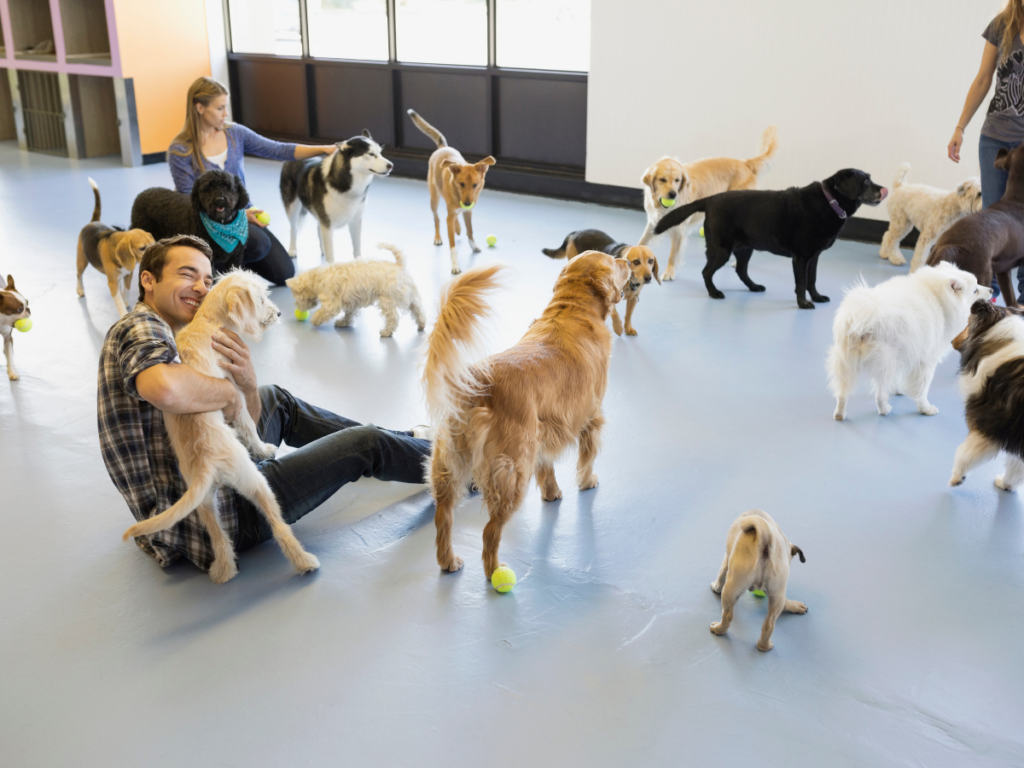
Well planned dog daycare activities are essential for keeping dogs active, social, and mentally engaged throughout the day. A structured approach helps balance play, rest, and interaction, which supports both physical health and behavior. Without this balance, dogs can become overstimulated or bored, depending on how the day is managed.
Effective daycare environments focus on variety. Instead of repeating the same activity, dogs are given different ways to move, explore, and interact. This keeps energy levels steady and helps prevent unwanted behaviors. Dog daycare activities work best when they are guided and supervised, allowing dogs to play safely while still having room to express natural behaviors.
Structured Play In A Controlled Setting
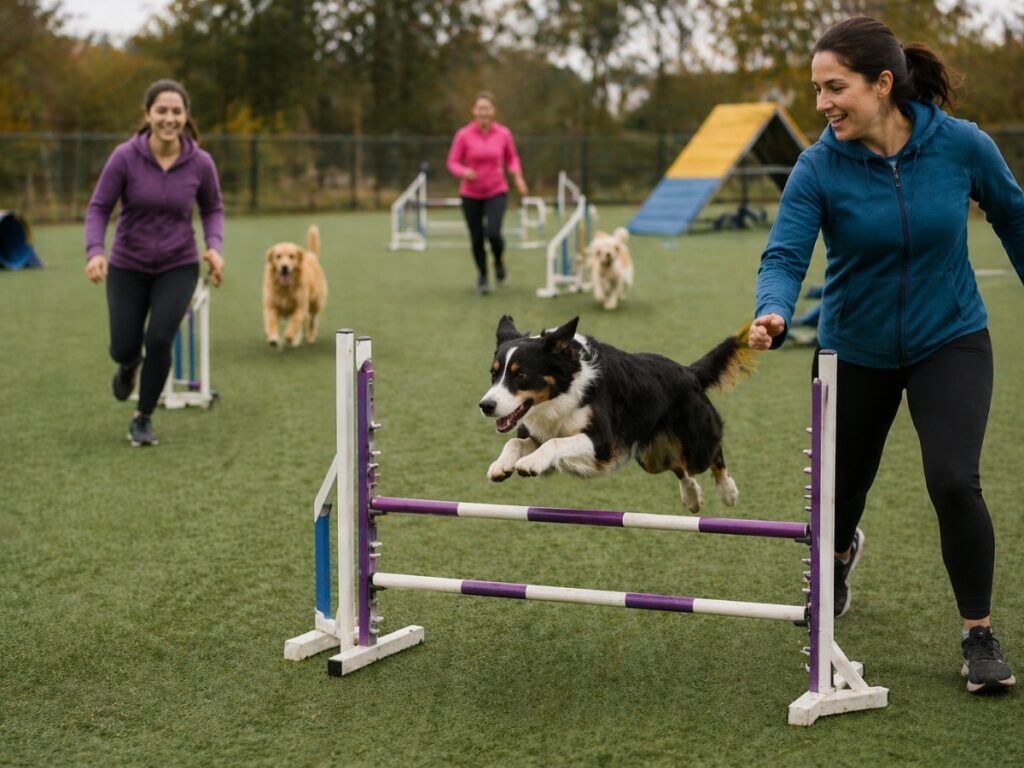
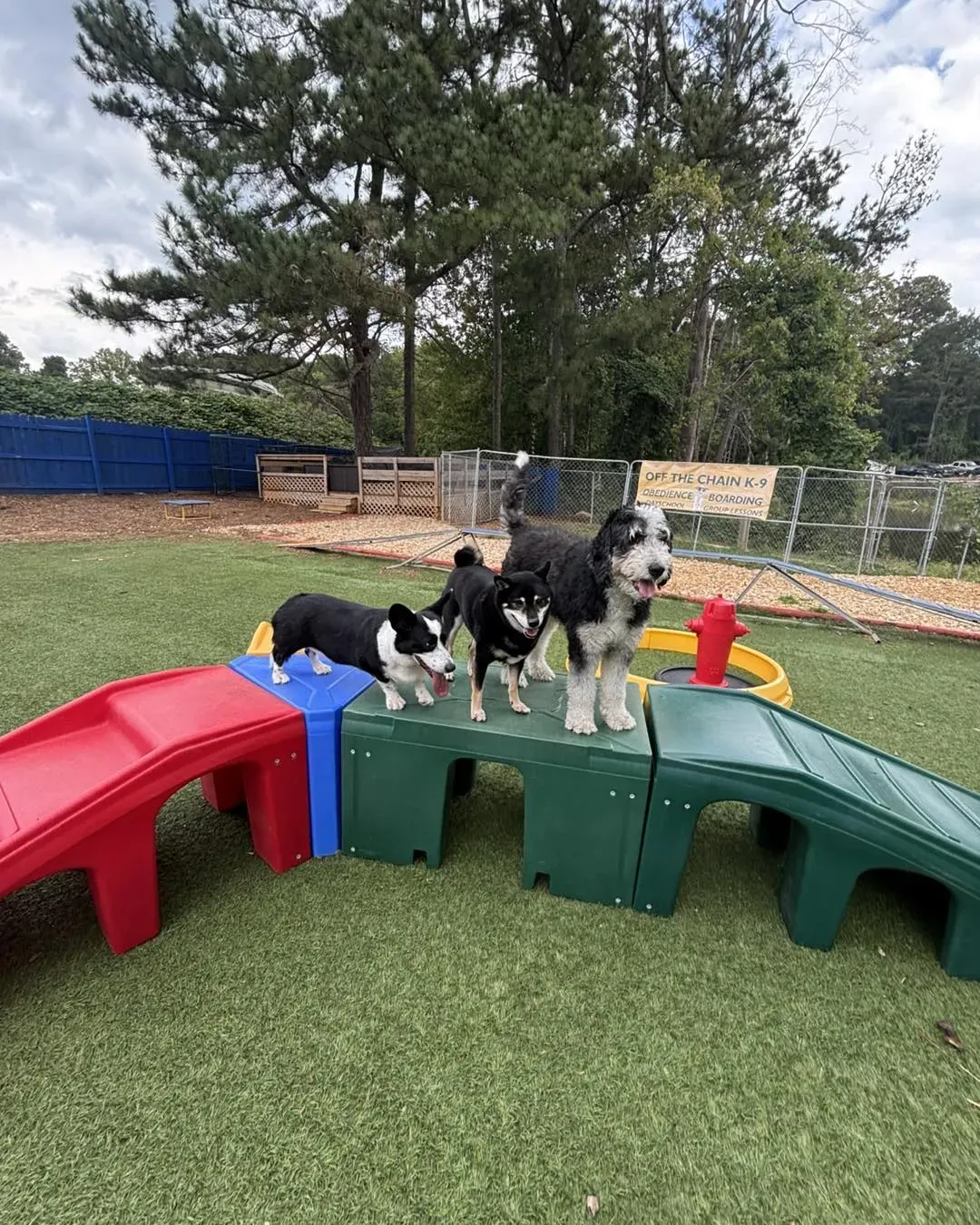
Structured play is one of the most important parts of dog daycare activities. These sessions are designed to keep dogs engaged while maintaining control over the environment. Activities such as simple obstacle setups, guided fetch, and interactive toys encourage movement while keeping dogs focused.
A controlled setting allows staff to monitor group dynamics and adjust activities as needed. Some dogs may prefer more active play, while others benefit from slower, more relaxed interaction. By rotating activities, daycare staff can match the pace of the group and avoid overstimulation.
This structure also helps dogs learn boundaries during play. Over time, they become more comfortable following cues and interacting appropriately with both people and other dogs.
Incorporating Training Into Playtime
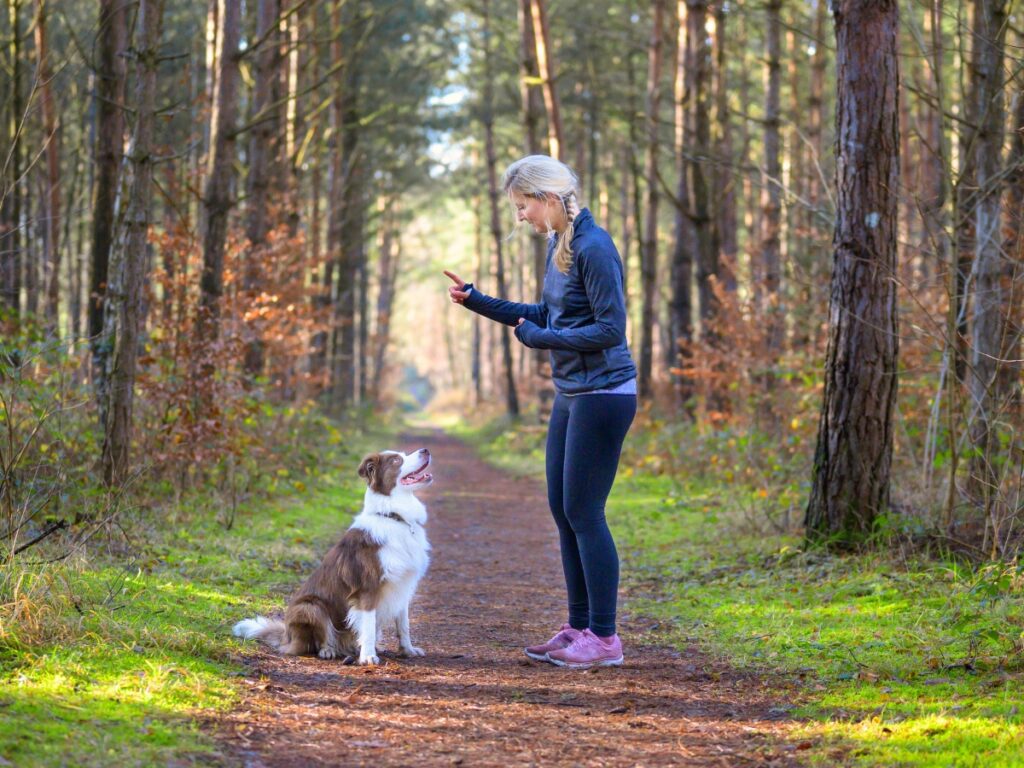
Training does not have to be separate from play. In many cases, combining the two can make learning more effective. Dog daycare activities often include simple commands during play sessions, which helps reinforce behavior in a natural way.
For example, asking a dog to pause before retrieving a toy or respond to a recall during group play can build consistency. These small moments help dogs practice listening even when they are excited or distracted.
This approach also strengthens communication between dogs and handlers. Instead of seeing commands as interruptions, dogs begin to associate them with positive experiences. Over time, this can lead to better overall behavior both inside and outside of daycare.
Encouraging Social Interaction And Confidence
Socialization is another key part of dog daycare activities. Spending time with other dogs helps build confidence and improve dog communication skills. Dogs learn how to read body language, adjust their play style, and respond to different personalities.
A well-managed daycare setting creates opportunities for safe interaction. Dogs are grouped based on size, temperament, and play style, which helps reduce the risk of conflict. Staff supervision ensures that interactions remain positive and that any issues are addressed early.
These experiences can be especially helpful for dogs that are still developing social skills. Regular exposure to controlled group settings often leads to more balanced and confident behavior over time.
Balancing Physical Exercise And Mental Stimulation
Dog daycare activities should support both physical and mental engagement. Active games such as fetch or chase help dogs burn off energy, while slower activities like scent work or puzzle toys provide mental stimulation.
A balanced day might include:
- Active play sessions that encourage running and movement
- Short rest periods to prevent fatigue
- Interactive tasks that challenge problem-solving
This combination helps maintain focus and prevents boredom. Dogs that are both physically and mentally engaged tend to be calmer and more relaxed at the end of the day.
Supporting Long-Term Health And Behavior
Consistent dog daycare activities contribute to overall well-being. Regular movement supports physical health, while structured interaction helps improve behavior and social skills.
When activities are planned with care, daycare becomes more than just supervision. It becomes a space where dogs can develop, learn, and stay engaged in a way that supports long-term balance.
How Do Puppy Group Activities Enhance Early Social Skills?
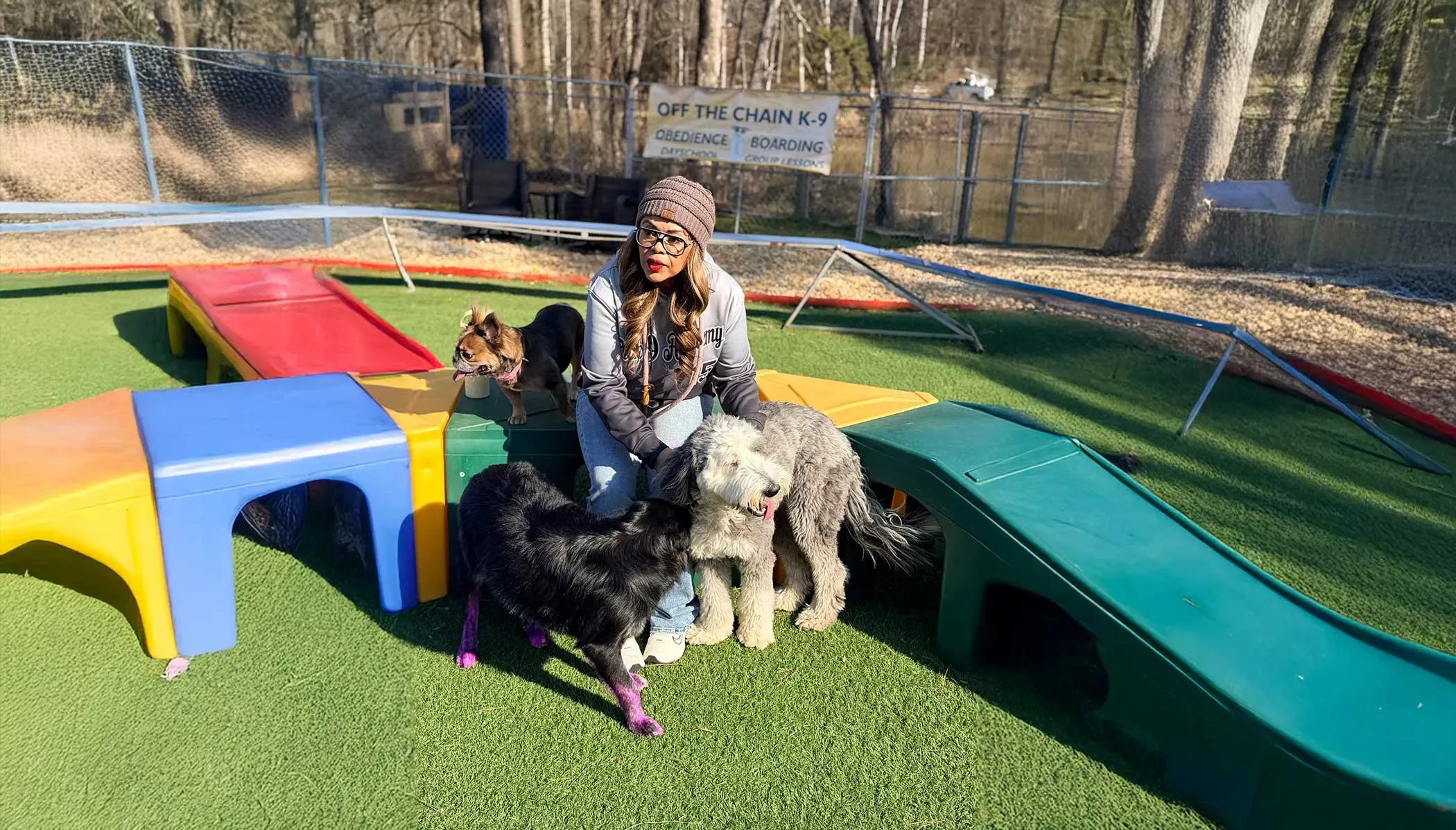
Puppy group sessions are an important part of early development, and they play a key role in shaping behavior over time.
When included in structured dog daycare activities, these sessions give young dogs a chance to interact in a safe and controlled setting. This exposure helps puppies learn how to communicate, respond to cues, and adjust to new situations.
Socialization during the early stages is especially important. Puppies that regularly interact with other dogs and people tend to build confidence more quickly.
They also become more comfortable in unfamiliar environments, which can reduce anxiety later on. Dog daycare activities that focus on guided interaction help create a foundation for balanced behavior as puppies grow.
Types Of Group Activities That Support Learning
Puppy group activities are designed to combine play with learning. Instead of unstructured interaction, these sessions are guided so that puppies can develop social skills at a steady pace.
Common dog daycare activities for puppies include supervised play sessions, basic training exercises, and controlled introductions to new environments.
These activities give puppies a chance to practice reading body language and responding appropriately. They also learn how to adjust their play style based on other dogs. Over time, this helps them become more adaptable and less reactive in social situations.
Training elements are often built into these sessions. Simple commands and structured breaks allow puppies to focus while still enjoying the experience. This combination of play and guidance supports both social and behavioral development.
Long-Term Benefits Of Early Socialization
The impact of early dog daycare activities can carry into adulthood. Puppies that develop strong social skills early are often easier to manage and more comfortable in a variety of settings. They are less likely to show fear-based behaviors and tend to handle new experiences with more confidence.
Consistent exposure to structured interaction also helps reduce the risk of overstimulation. Puppies learn how to settle after play and how to respond to boundaries. These habits become part of their routine as they grow, making everyday situations more manageable.
Early socialization does not eliminate all challenges, but it creates a stronger starting point for ongoing training and development.
The Role Of Supervised Play In Behavior Development
Supervised play is a core part of effective dog daycare activities. Without guidance, group play can become unpredictable, especially when dogs have different energy levels or temperaments. Trained staff help manage these interactions to keep play safe and balanced.
A structured environment allows dogs to be grouped based on size, play style, and behavior. This reduces the chance of conflict and helps create more positive interactions. Staff members can step in when needed, redirect behavior, and ensure that play remains appropriate.
Through repeated exposure to supervised play, dogs begin to understand social cues more clearly. They learn when to engage, when to pause, and how to respond to other dogs. These lessons support better behavior both in daycare and at home.
Socialization Techniques Used In Daycare Settings
Effective dog daycare activities rely on consistent techniques that support both engagement and rest. A balanced schedule helps prevent overstimulation and allows dogs to reset between play sessions. Alternating activity with downtime creates a more stable environment throughout the day.
Behavior-aware group management is another important approach. Staff monitor interactions closely and adjust group dynamics as needed. This helps ensure that each dog remains comfortable and that play sessions stay positive.
Supervised play remains a central part of these techniques. By guiding interactions and reinforcing appropriate behavior, daycare environments create opportunities for dogs to learn in a controlled setting.
Supporting Healthy Development Through Structured Activities
Dog daycare activities that focus on socialization, supervision, and balance can have a lasting impact on behavior. Puppies and adult dogs alike benefit from environments where interaction is guided and consistent.
With the right structure in place, daycare becomes more than just a place to spend time. It becomes an environment where dogs can build confidence, improve communication, and develop habits that support long-term wellbeing.
Why Supervision Matters In Dog Daycare Activities
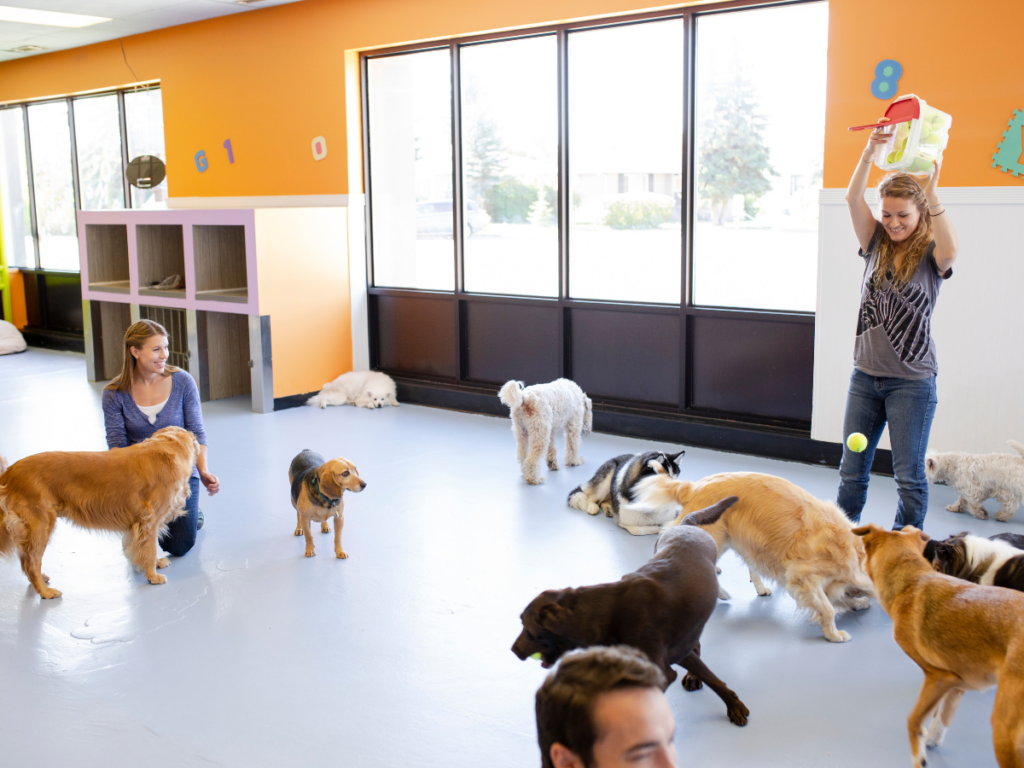
Supervision is one of the most important parts of well-managed dog daycare activities. When dogs interact in a group setting, their behavior can change quickly depending on energy levels, personalities, and surroundings. Having trained staff present helps keep these interactions safe and balanced.
Professional supervision is not just about watching dogs. It involves understanding how dogs communicate and recognizing early signs of stress or tension. This allows staff to step in before situations escalate. As a result, dog daycare activities remain positive and controlled, even when groups are active.
For pet owners, this level of oversight provides reassurance. It shows that care is being handled with attention and consistency throughout the day.
How Trained Staff Manage Group Play
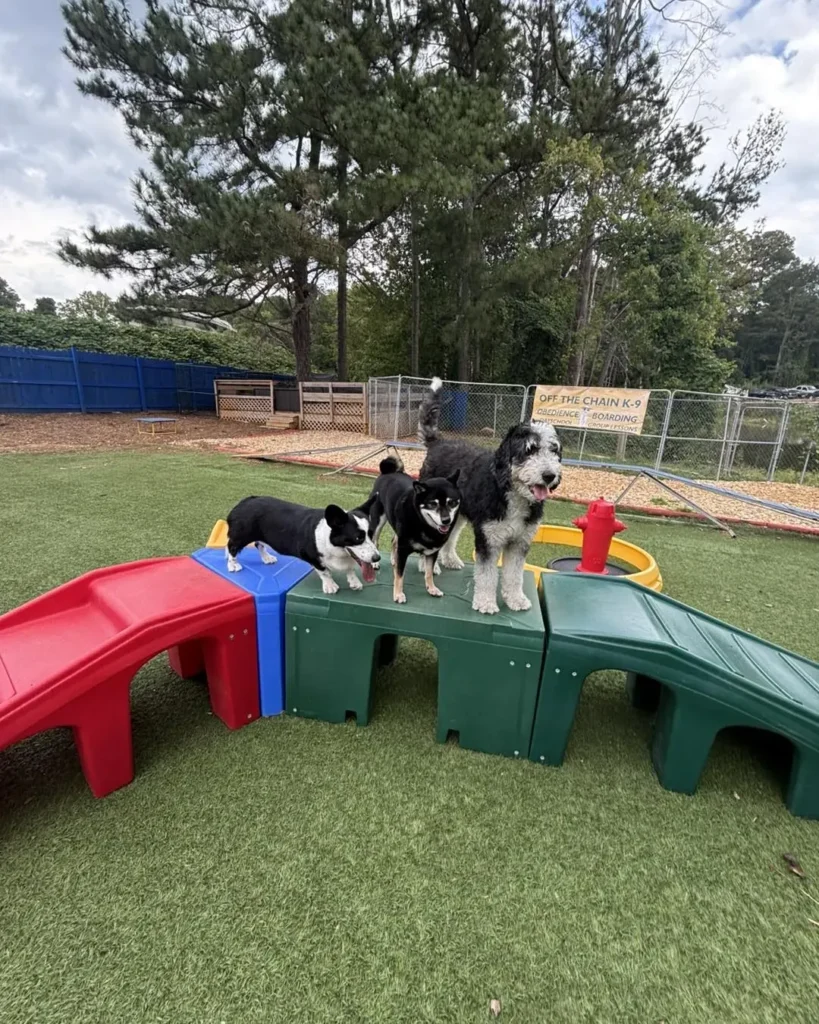
Managing group play requires more than placing dogs together in the same space. Staff need to observe how each dog behaves and adjust the group as needed. Dog daycare activities are often organized based on size, temperament, and play style to reduce the risk of conflict.
Trained staff watch for subtle signals such as body posture, pacing, or changes in energy. These signs can indicate whether a dog is comfortable or becoming overwhelmed. By responding early, staff can redirect play or separate dogs before issues develop.
Structured play sessions also help maintain order. Instead of allowing constant free play, activities are guided to give dogs time to engage, pause, and reset. This approach keeps energy levels balanced and supports better behavior throughout the day.
Recognizing Behavior And Preventing Issues
One of the key benefits of supervision is the ability to recognize behavior patterns. Not all dogs play the same way, and understanding these differences is essential for safe interaction. Dog daycare activities rely on this awareness to create a more stable environment.
Staff are trained to identify behaviors such as overstimulation, avoidance, or rough play. When these signs appear, they can adjust the situation by redirecting attention or giving the dog a break. This helps prevent small issues from turning into larger problems.
Over time, consistent supervision helps dogs learn how to interact more appropriately. They begin to respond to cues, respect boundaries, and adjust their behavior in group settings.
Safety Protocols That Support Daily Care
In addition to direct supervision, safety protocols play a key role in supporting dog daycare activities. These guidelines help ensure that all dogs entering the environment meet basic health and behavior standards.
Facilities often follow procedures such as health checks, vaccination verification, and controlled group sizes. These steps reduce risks and create a more predictable environment for both dogs and staff.
Supervision and safety protocols work together. While staff members manage interactions in real time, these guidelines help prevent potential issues before they begin.
Creating A Positive And Balanced Environment
Dog daycare activities are most effective when supervision and structure are combined. A well-managed environment allows dogs to stay active while still feeling secure. This balance supports both physical activity and emotional comfort.
Dogs that spend time in supervised settings often become more confident and better adjusted. They learn how to engage with others while still responding to guidance from staff. This leads to more consistent behavior both during daycare and at home.
Supporting Long-Term Wellbeing Through Supervision
Professional supervision does more than keep dogs safe during the day. It contributes to long-term behavior and overall well-being. By guiding interactions and maintaining structure, staff help create positive experiences that dogs can build on over time.
When dog daycare activities are supported by attentive supervision, they become more than just play. They become part of a routine that encourages safe interaction, balanced energy, and steady development.
How Enrichment Supports Dog Daycare Activities
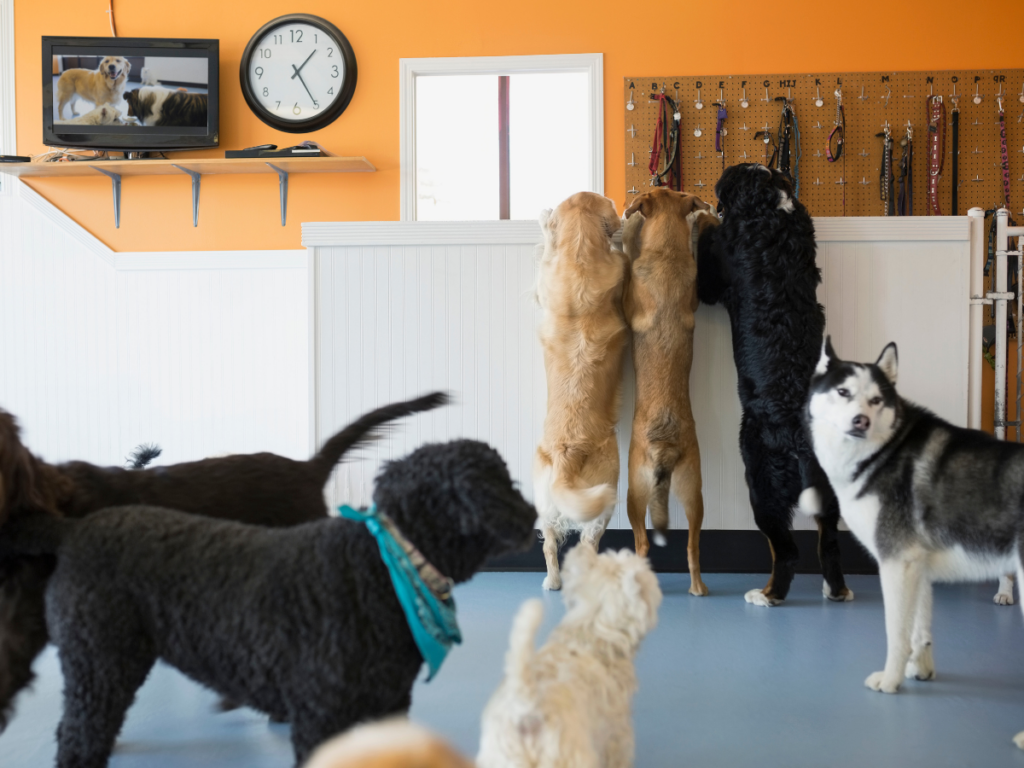
Enrichment plays an important role in well-balanced dog daycare activities. While physical exercise is essential, mental stimulation is just as important for a dog’s overall behavior and well-being. Without it, dogs can become bored, which often leads to restlessness or unwanted behaviors.
Daycare environments that include enrichment activities give dogs more than just time to play. They provide opportunities to explore, problem solve, and stay engaged throughout the day. This helps create a more balanced routine where dogs can stay active without becoming overstimulated.
When enrichment is part of daily dog daycare activities, it supports both short-term engagement and long-term behavioral development.
Types Of Enrichment Activities Used In Daycare
Enrichment can take many forms, depending on the needs of the dogs in the group. Common dog daycare activities include interactive toys, scent-based games, and simple agility setups. These activities encourage dogs to use their senses and think through challenges rather than relying only on physical movement.
For example, scent trails allow dogs to follow a path using their natural instincts, while puzzle toys require them to figure out how to access a reward. These types of activities keep dogs focused and help break up periods of high-energy play.
By offering variety, daycare staff can keep dogs interested without overwhelming them. This approach allows each dog to engage at a level that matches their personality and energy.
The Importance Of Mental Stimulation
Mental stimulation is a key factor in preventing boredom and maintaining balanced behavior. Dogs that are regularly challenged tend to be more settled and less likely to act out. This is why dog daycare activities often include tasks that require attention and problem-solving.
Activities that encourage thinking can be just as tiring as physical exercise. After completing a mentally engaging task, many dogs show signs of relaxation similar to what is seen after active play. This balance helps maintain steady energy levels throughout the day.
Over time, consistent mental stimulation can also improve focus and responsiveness. Dogs become more attentive and better able to follow cues, which supports behavior both in daycare and at home.
Incorporating Training Into Enrichment
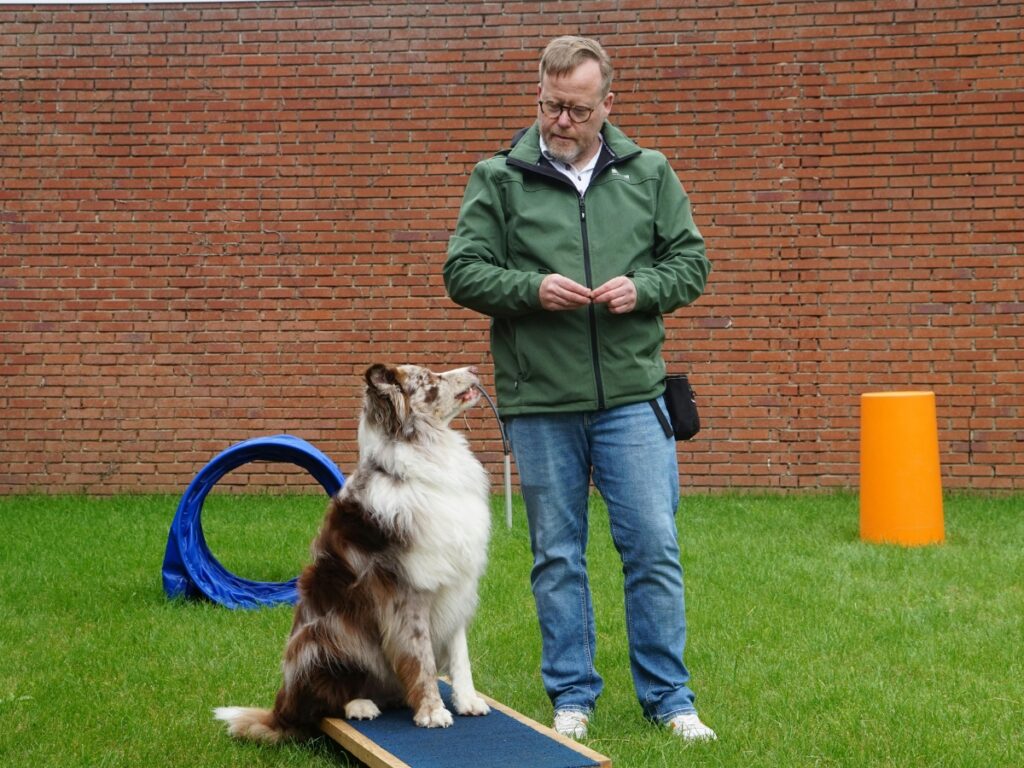
Training exercises are often built into dog daycare activities to reinforce basic skills while dogs are engaged. These exercises do not need to be complex. Simple commands, short agility tasks, or guided interactions can all support learning in a natural way.
Combining training with enrichment helps dogs stay focused while still enjoying the activity. Instead of separating play and learning, daycare environments blend the two to create a more effective experience.
This approach also helps dogs respond to guidance in a variety of situations. Practicing commands during activity builds consistency and improves how dogs react in different settings.
Supporting Mental Health Through Enrichment Games
Enrichment games can have a positive impact on a dog’s mental health. Activities such as hide and seek or scent detection allow dogs to use their natural instincts in a controlled way. This helps reduce stress and gives them a clear outlet for energy.
Dog daycare activities that include these games often lead to calmer behavior. Dogs that are mentally engaged tend to be more relaxed and less reactive, especially after a full day of balanced activity.
Creating A Balanced And Engaging Environment
A well-designed daycare program combines physical play, mental challenges, and structured rest. Dog daycare activities that include enrichment help create this balance, allowing dogs to stay engaged without becoming overwhelmed.
By offering a mix of stimulation and guidance, daycare environments can support healthier behavior and a more positive overall experience for each dog.
Why Safety Protocols Matter In Dog Daycare Activities
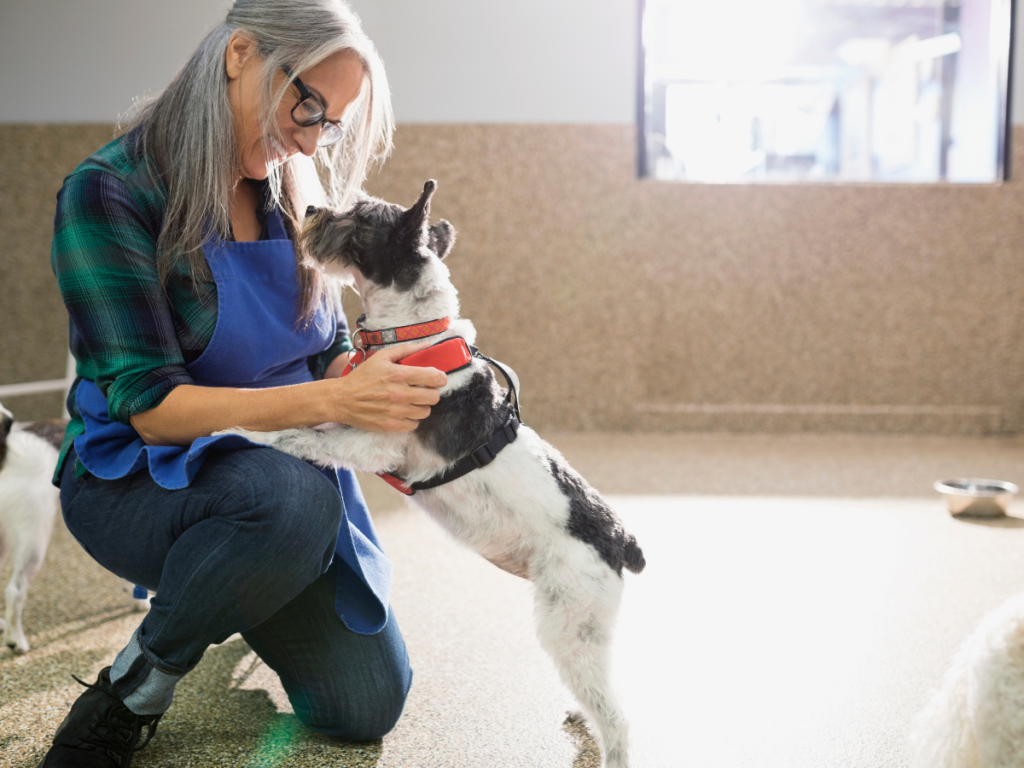
Safety protocols are the foundation of well-managed dog daycare activities. When multiple dogs share the same space, structure, and oversight are essential to prevent issues before they develop. A clear system helps staff manage behavior, maintain order, and create a predictable environment for every dog.
Without these protocols, even routine play can become unpredictable. Dogs have different energy levels and communication styles, so consistent supervision and planning are necessary. Dog daycare activities that follow clear safety guidelines tend to be more balanced, with fewer disruptions and better overall outcomes.
The Role Of Evaluations And Controlled Environments
Most facilities begin with an evaluation process to understand each dog’s temperament. This step allows staff to assess how a dog reacts to new surroundings and other animals. It also helps determine which playgroup is the best fit.
A controlled environment builds on this process. Group sizes are kept manageable, and dogs are placed with others that match their size and play style. This reduces the likelihood of conflict and allows dog daycare activities to run more smoothly.
Controlled settings also make it easier for staff to monitor interactions. When the environment is structured, small changes in behavior are easier to notice and address.
Active Supervision During Play Sessions
Active supervision is one of the most important parts of safe dog daycare activities. Staff are not only present, but they are also actively observing how dogs interact throughout the day. This includes watching body language, energy levels, and group dynamics.
When needed, staff can step in to redirect play or separate dogs that may need a break. This kind of intervention helps prevent minor issues from becoming larger problems. Over time, dogs also learn to respond to this guidance, which improves behavior in group settings.
Consistent supervision creates a more stable environment where dogs can play without unnecessary stress.
Health And Vaccination Requirements
Health protocols are another key part of safe dog daycare activities. Facilities typically require proof of vaccinations before allowing dogs to join group play. This helps reduce the spread of illness and protects all dogs in the environment.
Common requirements often include vaccines for rabies, distemper, and bordetella. In addition to vaccinations, some facilities may monitor dogs for signs of illness or require basic health checks before participation.
Spaying or neutering may also be considered, depending on the facility’s policies. These requirements help support a more balanced and manageable group dynamic.
Managing Group Sizes And Staff Ratios
The size of each playgroup and the number of staff present both affect how safe and effective dog daycare activities can be. Smaller groups allow for closer observation and more controlled interactions.
Staff to dog ratios are especially important. When there are enough trained staff members present, it becomes easier to monitor behavior and respond quickly if needed. This ensures that each dog receives attention and that group dynamics remain stable.
Ongoing monitoring is also part of this process. Staff regularly assess how dogs are interacting and adjust groupings if necessary. This flexibility helps maintain a safe and comfortable environment throughout the day.
Creating A Safe And Balanced Daycare Experience
Dog daycare activities work best when safety protocols are consistent and well-managed. From initial evaluations to daily supervision and health requirements, each step plays a role in creating a secure environment.
With the right structure in place, dogs can engage in play and socialization without unnecessary risk. This balance allows them to stay active, learn appropriate behavior, and enjoy a more positive daycare experience overall.
Evaluating Dog Daycare Activities Before Choosing A Facility
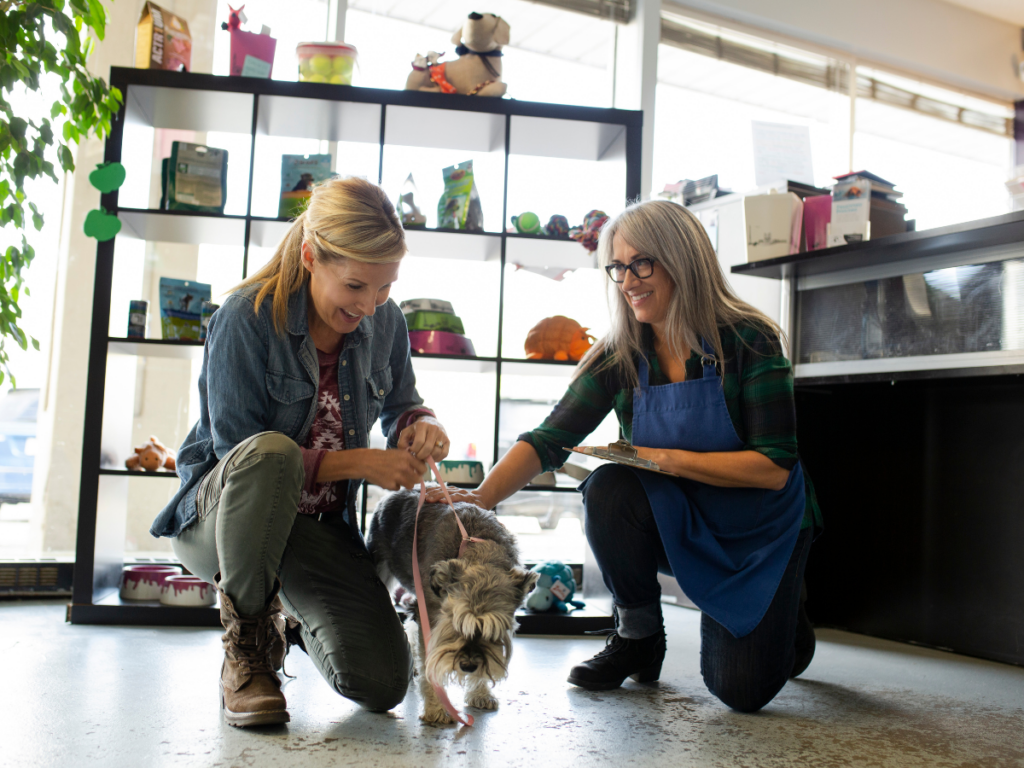
Choosing the right daycare starts with understanding how dog daycare activities are structured. Not all facilities offer the same level of engagement, so it helps to look beyond basic supervision. A well-organized program should include a mix of play, rest, and guided interaction.
When evaluating a facility, pay attention to how the day is planned. Are activities spaced out to avoid overstimulation? Is there a balance between active play and downtime? These details give a better sense of how your dog will spend their time.
Dog daycare activities should feel purposeful rather than random. A clear structure usually means staff are managing the environment with intention, which leads to a more stable experience for dogs.
Understanding The Types Of Activities Offered
The variety of activities available can make a noticeable difference in your dog’s experience. Facilities that offer a mix of physical play, enrichment, and basic training tend to provide more balanced care.
Look for programs that include:
- Structured play sessions that encourage safe interaction
- Enrichment activities such as scent games or problem-solving tasks
- Opportunities for guided training or reinforcement of basic commands
These types of dog daycare activities help keep dogs engaged throughout the day. They also support both physical movement and mental stimulation, which can improve behavior over time.
Facilities that rely only on unstructured group play may not provide the same level of engagement, especially for dogs that benefit from variety.
The Importance Of Supervised Socialization
Supervised play is a key factor when choosing a daycare. Dog daycare activities should always be monitored by trained staff who understand canine behavior. This helps ensure that interactions remain positive and that any issues are addressed early.
Ask how dogs are grouped during play. Facilities that consider size, temperament, and play style are more likely to create balanced groups. This reduces the chance of conflict and allows dogs to interact more comfortably.
Supervision also supports learning. Dogs begin to understand boundaries and social cues when play is guided rather than left completely open.
Reviewing Safety Protocols And Evaluation Processes
A strong daycare program will have clear safety protocols in place. This includes an evaluation process for new dogs, which helps staff determine how each dog should be introduced into group settings.
It is important to ask about:
- How evaluations are conducted before a dog joins daycare
- What health and vaccination requirements are in place
- How staff respond to changes in behavior during the day
These factors directly affect how dog daycare activities are managed. Facilities that take time to evaluate and monitor dogs tend to provide a safer and more predictable environment.
Using Feedback And Observation To Make A Decision
Owner feedback can offer useful insight into how a daycare operates on a daily basis. Reviews often highlight whether dog daycare activities are well managed and whether dogs appear comfortable and engaged.
If possible, visiting the facility can provide a clearer picture. Observing how staff interact with dogs and how activities are organized can help confirm whether the environment matches your expectations.
Finding The Right Fit For Your Dog
Every dog has different needs, so the right daycare will depend on their personality and energy level. Some dogs thrive in highly active environments, while others benefit from a slower pace with more structured interaction.
Dog daycare activities should match your dog’s preferences while still providing balance and supervision. By focusing on structure, variety, and safety, it becomes easier to choose a facility that supports both enjoyment and long-term well-being.
Questions To Ask About Dog Daycare Activities
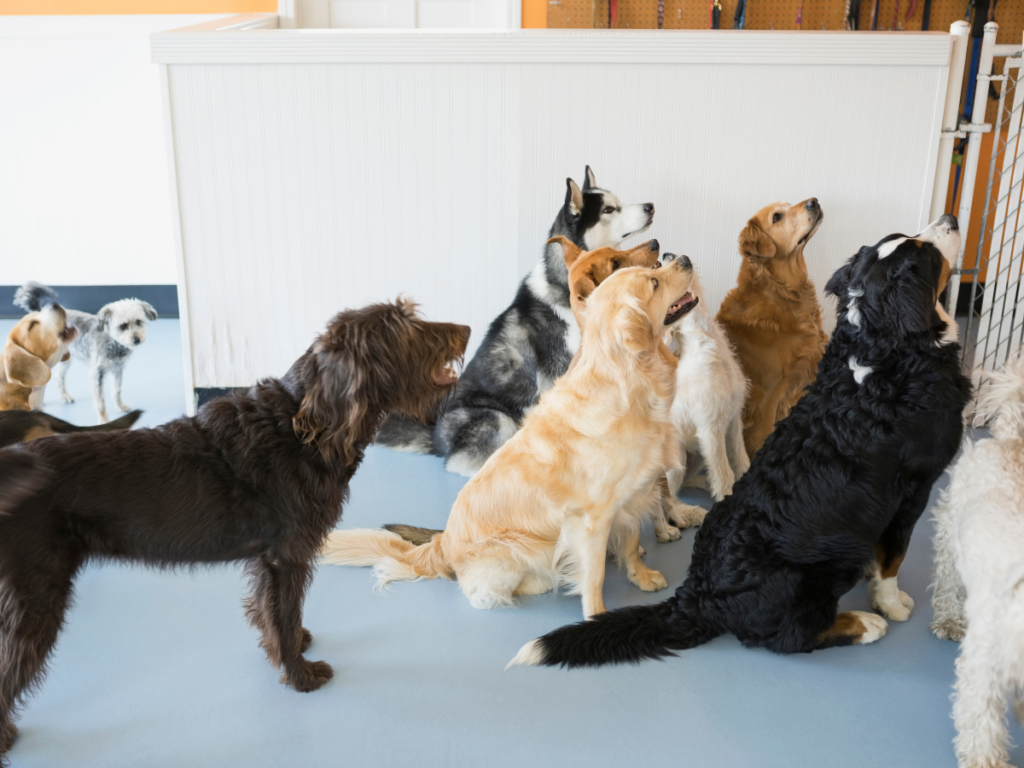
Choosing a daycare starts with asking the right questions. Not all programs offer the same level of care, so understanding how dog daycare activities are managed can help you make a more informed decision.
A few key questions can quickly reveal how a facility operates:
- What vaccination requirements are in place before dogs can join group play
- How playgroups are structured based on size, temperament, and energy level
- What types of dog daycare activities are included throughout the day
- How staff are trained to supervise and manage group interactions
These questions give you a clearer picture of both safety and engagement. They also help you understand whether the facility takes a structured approach or relies on unorganized play.
Understanding Current Trends In Daycare Programs
Dog daycare activities have shifted in recent years as more owners look for environments that support both physical and mental stimulation. Facilities are moving beyond simple supervision and offering more structured programs that include enrichment and guided interaction.
This change reflects a broader focus on overall well-being. Instead of just providing a place for dogs to stay, many daycares now design daily routines that include activity, rest, and mental engagement. These programs are often built around consistency, which helps dogs settle into a predictable rhythm.
As demand grows, expectations have also changed. Owners are more likely to ask about how dog daycare activities are planned rather than simply whether supervision is available.
Growing Demand For Enrichment And Socialization
Enrichment has become a central part of modern daycare programs. Many owners now look for facilities that include activities such as scent work, problem-solving tasks, and structured play sessions. These additions help keep dogs engaged and reduce boredom.
Socialization is another key factor. Dog daycare activities that include guided interaction allow dogs to build confidence and improve communication skills. Facilities that group dogs carefully and monitor play tend to create more positive experiences.
There is also an increasing interest in programs that address specific needs. Some facilities offer tailored activities for high-energy dogs, while others focus on dogs that need slower introductions to group settings.
This shift toward more personalized care reflects a better understanding of how different dogs respond to daycare environments.
What Research Suggests About Supervised Play
Research continues to support the value of supervised dog daycare activities. Dogs that regularly participate in structured group play often show improvements in behavior and social skills. This is largely due to the controlled environment and consistent guidance provided by trained staff.
Supervised play allows dogs to interact safely while learning how to respond to different situations. Over time, this can lead to fewer behavior issues and better adaptability. Dogs that are exposed to structured social settings tend to be more comfortable in new environments.
The benefits are not limited to behavior. Regular activity combined with mental stimulation can also support overall well-being, helping dogs stay balanced and engaged.
Why Specialized Programs Are Becoming More Common
As more owners look for specific outcomes from daycare, specialized programs are becoming more common. These programs often focus on particular needs, such as building confidence, managing high energy levels, or improving social behavior.
Dog daycare activities within these programs are designed with a clear purpose. Instead of a general schedule, activities are adjusted to match the dogs in the group. This approach allows for more targeted interaction and better results over time.
Facilities that offer specialized options are often better equipped to handle a wider range of behaviors. This makes them a strong choice for owners who want a more tailored experience.
Making A More Informed Choice
Asking thoughtful questions and understanding current trends can help you choose a daycare that aligns with your dog’s needs. Dog daycare activities should go beyond basic play and provide a balanced mix of structure, supervision, and engagement.
By focusing on how activities are planned and managed, you can find a facility that supports both enjoyment and long-term development.
Conclusion
Enriching daycare activities are essential for supporting your dog’s physical health, mental stimulation, and social development in a safe, supervised environment.
From structured playgroups and interactive games to rest periods that prevent overstimulation, a well-designed program nurtures well-rounded, happy dogs.
For premium dog daycare and dog training experiences that prioritize your pet’s growth and happiness, trust OTCK9 Academy.
Ready to give your dog the engaging, healthy environment they deserve? Call 770-874-6454 or fill out our website form with any questions today. Let our caring team provide the enrichment and attention that keeps tails wagging all day long.